
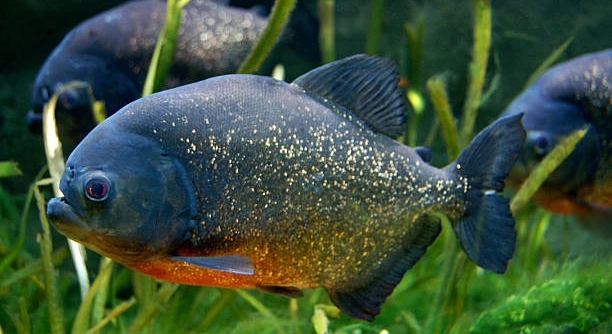
Piranhas are known for their fierce behavior, especially when they quarrel. These fish often show a variety of clear and distinct reactions during conflicts. Understanding these responses can help make sense of their social interactions.
During piranha quarrels, you will typically observe aggressive displays such as biting, fin flaring, and rapid movements. These behaviors serve to establish dominance and protect territory, reflecting natural survival instincts common in piranha species.
Observing these responses offers insight into piranha behavior and their ways of communicating tension and hierarchy within groups.
Aggressive Biting and Nipping
When piranhas quarrel, the most obvious response is aggressive biting and nipping. This behavior is not just random; it is a way for these fish to test each other’s strength and assert dominance. Biting helps them establish who controls the territory or resources like food. During a quarrel, you might see quick, sharp bites aimed at fins or tails, which can cause damage but rarely leads to serious injury. These bites are often followed by moments of circling, where the fish size each other up before striking again. This pattern repeats until one fish backs down or leaves the area. The intensity of biting can vary depending on the species, size of the fish, and the situation. For piranhas, this is a natural form of communication to avoid more dangerous fights.
Biting is the most direct and visible way piranhas show aggression. It signals clear intentions during conflicts.
Understanding biting behavior can help you recognize how piranhas maintain order within their groups and protect their space.
Fin Flaring and Body Posturing
Fin flaring is a common response during piranha quarrels. When a piranha feels threatened or wants to intimidate another fish, it will spread its fins wide and puff up its body. This makes the fish look bigger and more threatening without immediately resorting to biting. The raised fins create a strong visual signal, warning opponents to back off. Body posturing, combined with slow, deliberate movements, often precedes more aggressive actions. It’s a way of showing confidence and control. This display also helps reduce the need for constant biting by allowing the fish to negotiate dominance visually. Fin flaring is usually accompanied by gill spreading and intense staring. These signals work together to communicate status and intent, reducing the risk of serious injury while still settling disputes. For those observing, fin flaring is a clear sign that tensions are rising.
Fin flaring warns rivals and displays strength without immediate violence.
This behavior plays a key role in preventing unnecessary harm while maintaining social order among piranhas. By using visual signals, these fish balance aggression and caution, ensuring that conflicts don’t escalate too quickly. Watching how they flare fins and position their bodies reveals a complex social language. It’s not just about fighting but about avoiding it when possible. These displays help save energy and reduce risks of injury. For caretakers or anyone interested in fish behavior, recognizing fin flaring can provide clues about the mood and relationships within a piranha group. It’s a fascinating example of how animals communicate with body language rather than constant physical conflict.
Rapid Movements and Charging
Rapid movements are common during piranha quarrels. These sudden bursts of speed help them intimidate opponents or escape if needed. Quick charges often signal an attempt to surprise or overwhelm another fish.
When a piranha charges, it moves swiftly toward its rival, sometimes ending in a quick nip or aggressive display. These rapid motions are designed to catch the opponent off guard, increasing the chance of winning the confrontation without prolonged fighting. Charging also serves as a warning—if the other fish doesn’t retreat, more serious aggression may follow. These quick bursts require a lot of energy, so piranhas often use them strategically rather than continuously. Watching these movements can reveal the intensity of a quarrel and the confidence level of each fish involved.
The speed and unpredictability of charging make it an effective tool for establishing dominance. It disrupts the opponent’s focus and can quickly end disputes, saving energy for the group overall.
Circling Behavior
Circling is a typical behavior seen during piranha disputes. Fish swim around each other closely, sizing up the competition and deciding when to act.
This slow circling allows each piranha to assess the other’s size, strength, and readiness to fight. It’s a way to communicate without immediate aggression, giving each fish a chance to avoid unnecessary harm. Circling also builds tension as they prepare for possible attacks or retreats. This behavior often leads to either backing down or escalating into more aggressive moves like biting or charging. Observing circling can show when a quarrel is likely to intensify or resolve peacefully.
Circling is a key part of piranha communication, balancing caution with the need to protect territory. It reflects a careful decision-making process in their social interactions.
Gill Spreading
Gill spreading is a common signal during piranha quarrels. When a fish spreads its gills wide, it shows aggression and readiness to fight. This makes the piranha appear larger and more intimidating to rivals.
This display helps to avoid actual biting by warning opponents to stay back. Gill spreading is often paired with fin flaring to strengthen the message.
Intense Staring
Piranhas often engage in intense staring during disputes. This fixed gaze is a way to challenge or intimidate another fish without physical contact. Staring signals confidence and determination to hold ground.
It also helps gauge the opponent’s reaction and willingness to continue the quarrel.
Retreat and Withdrawal
Sometimes, one piranha will simply retreat to avoid further conflict. Withdrawal is a clear sign of submission or recognition of the other fish’s dominance.
Retreat helps reduce injury risks and restore peace within the group quickly.
What causes piranha quarrels?
Piranha quarrels usually happen over territory, food, or mating rights. These fish are naturally territorial and competitive. When space is limited or resources become scarce, piranhas will challenge each other to defend what they need. Quarrels help them establish dominance and maintain order within their group.
How can you tell if a quarrel is serious?
A serious quarrel involves more frequent biting, rapid movements, and intense fin flaring. When these behaviors escalate, it shows both fish are determined to win the fight. If one fish stops retreating or backing down, the tension is high, and the risk of injury increases.
Do piranha quarrels always result in injury?
Not always. Many quarrels end with visual displays like fin flaring and gill spreading, which are meant to avoid physical harm. Biting can cause wounds but serious injuries are less common because fights tend to stop once dominance is clear.
How long do piranha quarrels usually last?
Quarrels can last from a few seconds to several minutes, depending on the situation. Quick disputes happen when one fish clearly dominates, while longer conflicts occur when both fish are evenly matched and unwilling to back down quickly.
Can piranhas recognize each other to avoid fights?
Piranhas do have some ability to recognize familiar fish, which can reduce quarrels. Groups that have lived together for a while tend to have fewer fights because social hierarchies are already established.
What should I do if I keep seeing fights in my aquarium?
If fights happen often, consider giving the fish more space or adding hiding spots. Overcrowding and lack of territory cause stress and aggression. Feeding them properly and regularly also helps reduce competition and quarrels.
Are certain piranha species more aggressive than others?
Yes, some species are naturally more aggressive. For example, red-bellied piranhas tend to be more confrontational, while others like black piranhas might be less so. Knowing the species behavior helps in managing their interactions.
Does quarrelling affect the health of piranhas?
Frequent fighting can lead to stress and injuries, which weaken their immune system. It’s important to monitor the fish closely and intervene if fights cause severe damage or continuous stress.
Can piranhas be kept together peacefully?
Yes, with enough space, proper environment, and social groupings, piranhas can coexist with minimal fights. It requires understanding their behavior and needs, such as territory size and diet, to keep aggression manageable.
Why do piranhas flare fins and spread gills during quarrels?
These are visual threats designed to avoid actual combat. By making themselves look bigger and stronger, piranhas try to scare off rivals without wasting energy or risking injury.
How do rapid movements and charging help during quarrels?
Quick charges can surprise opponents, giving the charging fish an advantage. These bursts of speed also help show strength and willingness to fight, often ending quarrels quickly if the other fish retreats.
Is it normal for piranhas to circle each other?
Yes, circling is a way for piranhas to assess their rivals. It lets them gather information on size and strength before deciding whether to fight or back down. It’s part of their social negotiation.
What role does retreat play in piranha quarrels?
Retreat signals submission and ends fights without injury. It helps maintain peace within the group by showing respect for dominance and avoiding prolonged conflict.
Can environmental changes reduce quarrels?
Adjusting tank size, adding plants, rocks, or decorations can create hiding spots and reduce stress. This lowers competition for space and helps calm aggressive behavior.
Should I separate fighting piranhas?
If fights lead to injury or constant stress, separation may be necessary. However, short quarrels are natural and often resolve on their own. Only intervene if aggression becomes harmful.
Piranha quarrels are a natural part of their behavior. These fish use fights and displays to establish who is stronger and to protect their space. While the aggressive actions may seem harsh, they serve an important role in maintaining order within the group. Most quarrels are brief and rely on visual signals rather than constant biting or serious injury. Understanding these responses can help people better care for piranhas and recognize what is normal behavior.
It’s important to remember that piranha quarrels do not always mean the fish are unhealthy or unhappy. Instead, these interactions show how piranhas communicate and handle conflict. Each fish uses different signals like fin flaring, gill spreading, and rapid movements to avoid unnecessary fights. When they do fight, it is usually to settle disputes quickly so everyone can return to a peaceful state. Creating a suitable environment with enough space and hiding places can help reduce aggression and stress in captive piranhas.
Watching piranha quarrels carefully can reveal much about their social structure and individual personalities. While these fish have a reputation for being fierce, their behavior is more about survival and communication than pure aggression. Recognizing the signs of quarrels and knowing when to step in or provide changes to their environment will help keep piranhas healthy and balanced. With proper care and understanding, the natural quarrels between piranhas can be seen as part of their fascinating behavior rather than just trouble.

Hello,
If you enjoy the content that we create, please consider saying a "Thank You!" by leaving a tip.
Every little bit helps us continue crafting quality advice that supports the health, happiness, and well-being of pets around the world, for pets of all shapes, sizes, and species.
We really appreciate the kindness and support that you show us!