
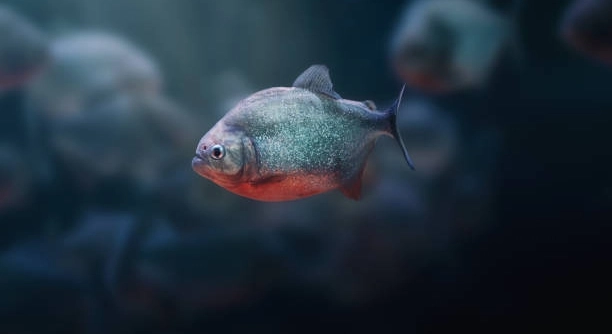
Wild piranhas are known for their sharp teeth and strong jaws. But beyond their fierce reputation, they show a surprising range of colors in the wild. These color differences help them blend into their environment or signal their health.
Seven distinct color variations have been identified in wild piranhas. These include shades of silver, red, gold, black, and combinations of these colors. Each variation is linked to factors like age, habitat, and species differences within the piranha family.
Learning about these color types helps us better understand piranhas’ behavior and how they adapt to their surroundings. The variety adds a new layer to the story of these fascinating fish.
Silver Piranhas: The Most Common Color
Silver piranhas are the most frequently seen in rivers across South America. Their scales reflect light, making them look shiny and bright underwater. This coloration helps them blend with the shimmering surface of the water, which provides protection from predators. Younger silver piranhas tend to have a duller appearance, while adults develop a more reflective, metallic look. The silver tone is usually paired with dark fins and a faint hint of red around the belly or gill area. This subtle red is often a sign of good health. These piranhas prefer clear or slightly murky waters where their silver scales offer the best camouflage. Their schooling behavior also enhances the effect, as many shiny fish moving together confuse predators. This adaptation plays an important role in their survival, allowing them to avoid being easily spotted while hunting or escaping danger.
Silver piranhas can be found in the Amazon, Orinoco, and Paraná river basins. Their adaptability to different water conditions makes them widespread.
The presence of silver piranhas in various environments shows how coloration supports their survival. Their reflective scales create a natural defense, helping them stay safe while they feed and move through the water. Understanding this helps explain why they are the most common and widely distributed piranha species. This basic yet effective coloring strategy is a key reason for their success in diverse habitats.
Red-Bellied Piranhas: A Striking Appearance
Red-bellied piranhas stand out due to the bright red color on their lower body. This red shade can vary in intensity depending on age and environment. It serves as a warning signal to other fish and predators. Their red bellies are more vivid during mating seasons, which suggests a role in attracting partners. These piranhas are often found in slow-moving or still waters with plenty of vegetation. The red coloration contrasts with their silver or gray upper body, making them easy to identify. Red-bellied piranhas use this color to communicate dominance and health status within their groups.
Their striking color can be intimidating but plays a key role in social behavior.
The red belly is more than just a pretty feature—it helps piranhas establish territory and show strength. This color variation also makes them popular among fish keepers who want to add visual interest to their aquariums. However, the bright red serves a natural purpose in the wild, influencing how they interact with each other and their environment. By standing out in color, red-bellied piranhas maintain order within their schools and avoid unnecessary conflicts. This shows how color variations can affect behavior as much as appearance.
Black Piranhas: Dark and Mysterious
Black piranhas have a deep, almost matte black coloration that helps them hide in shaded or murky waters. Their dark color offers excellent camouflage in dense river vegetation and shadowed areas, making them harder to spot by predators and prey alike.
The black coloration of these piranhas is linked to their habitat. They tend to live in areas with heavy tree cover or where the water is darker due to tannins and organic matter. This dark hue helps reduce reflections and glare, allowing them to blend perfectly with their surroundings. Unlike the shiny silver types, black piranhas avoid bright, open water where their dark color would make them more visible. This adaptation provides them a tactical advantage for ambushing prey and escaping threats. Their stealthy appearance plays a big role in how they hunt and survive.
In addition to camouflage, the black color may also help regulate their body temperature by absorbing more heat in cooler waters. This trait shows how color serves multiple purposes beyond just hiding. It affects how they live and thrive in specific parts of their environment.
Golden Piranhas: Rare and Unique
Golden piranhas have a bright, yellow-gold color that makes them stand out from the usual silver and red types. This rare coloration is usually found in isolated populations or specific river systems where environmental factors favor such pigmentation. Golden piranhas’ shiny scales reflect sunlight, giving them an almost glowing look underwater.
This color variation is thought to be caused by genetic differences combined with the water’s mineral content and light conditions. The golden shade may help them blend with sandy or rocky riverbeds, offering a different kind of camouflage than the darker or silvery types. While less common, golden piranhas are an important example of how diverse these fish can be. Their unique appearance attracts attention and highlights the adaptability of piranhas in different habitats. It also raises interesting questions about how environmental factors shape the colors of wild fish over time.
Blue-Tinted Piranhas: Subtle and Rare
Blue-tinted piranhas show a faint bluish hue on their scales, often mixed with silver. This color helps them blend into clear, deeper waters where light filters differently.
The blue tint may also signal health and vitality, especially during mating season. This subtle color variation is less common but adds to the diversity within piranha populations.
Patterned Piranhas: Stripes and Spots
Some piranhas display unique patterns such as stripes or spots across their bodies. These markings vary by species and help break up their outline in complex environments like flooded forests. Patterns improve camouflage among leaves, branches, and shadows, providing an edge in avoiding predators and sneaking up on prey.
Pale Piranhas: Faded and Light
Pale piranhas have lighter, washed-out colors that may result from aging, stress, or environmental factors. This faded look can make them more vulnerable to predators due to reduced camouflage.
Iridescent Piranhas: Shining with Color
Iridescent piranhas reflect multiple colors depending on the light angle. This shimmering effect helps confuse predators and attract mates.
FAQ
What causes the different color variations in wild piranhas?
Color variations in wild piranhas are mainly caused by genetics, habitat, age, and environmental factors like water clarity and light conditions. Different species within the piranha family also show distinct colors. For example, some piranhas have red bellies to warn others, while others use silver or black to blend in. Water quality, diet, and stress levels can influence how bright or dull their colors appear.
Do piranhas change color as they grow?
Yes, many piranhas change color as they age. Juvenile piranhas often have duller or different shades compared to adults. For instance, young silver piranhas might be less reflective, while red-bellied piranhas develop brighter reds when mature. Color changes can also happen seasonally, especially during breeding times when colors become more vivid to attract mates.
Are some piranha colors more aggressive than others?
Color itself doesn’t directly determine aggression, but some colors are linked to behaviors. For example, bright red bellies can signal dominance and readiness to defend territory. Darker or camouflaged piranhas may rely more on stealth than confrontation. Overall, aggression depends more on species, size, and environment than color alone.
Can piranha colors help identify their species?
Yes, color is one of the key traits used to identify different piranha species. For example, red-bellied piranhas are easy to spot because of their bright red undersides. Silver piranhas with shiny scales are common across many regions. Black or golden piranhas often indicate specific species adapted to particular habitats. Color, combined with body shape and fin structure, helps scientists classify them accurately.
Does water quality affect piranha coloration?
Water quality can have a noticeable impact on piranha colors. Clear, clean water allows their natural colors to shine, while murky or polluted water can dull their appearance. Changes in pH, temperature, or pollution may cause stress, leading to faded or pale colors. Good water conditions support healthier, more vibrant piranhas.
Why do some piranhas have iridescent scales?
Iridescent scales reflect light in multiple colors, creating a shimmering effect. This helps piranhas confuse predators by breaking up their body outline and making it harder to focus on them. It also plays a role in attracting mates during breeding seasons. Iridescence is an effective natural tool for survival and communication.
Are rare colors like gold or blue signs of special traits?
Rare colors such as gold or blue often occur due to genetic mutations or unique environmental factors. These colors may not offer the same camouflage benefits but can be a sign of healthy, genetically diverse populations. In some cases, these variations might make piranhas more visible to predators, but they also show the natural diversity within the species.
Can piranhas change color quickly like some other fish?
Piranhas don’t change color rapidly like some species such as cuttlefish or chameleons. Their color changes are usually gradual, linked to growth, health, or seasonal cycles. Stress or injury might cause temporary dulling, but they don’t actively change colors on demand.
How does color affect piranha social behavior?
Color plays an important role in social interactions among piranhas. Bright colors like red can show dominance or readiness to breed. Patterns and hues may signal health status and help avoid fights within schools. Coloration helps piranhas recognize each other and maintain social order.
Is it safe to keep colorful piranhas as pets?
Colorful piranhas can be kept in aquariums, but they require special care due to their aggressive nature and specific water needs. Their colors may fade in captivity if conditions aren’t ideal. Proper tank size, water quality, and diet are essential to maintain their natural appearance and health.
The variety of colors found in wild piranhas shows how these fish have adapted to different environments and situations. Each color type, from silver to black, red, and even rare gold or blue, serves a purpose. Whether it’s blending in with the water, signaling other fish, or helping to find a mate, color plays an important role in their survival. Understanding these color variations helps us appreciate the complexity of piranhas beyond their fierce reputation.
Colors in piranhas are influenced by many factors like age, habitat, and genetics. Some colors help protect them by providing camouflage, while others may communicate health or dominance within groups. This natural diversity also shows how piranhas can live in many different water types, from clear rivers to dark, tannin-filled streams. Studying these differences gives researchers clues about how species evolve and respond to their environments over time.
In the end, wild piranhas are more than just sharp teeth and aggressive behavior. Their colors add to their uniqueness and tell stories about where they live and how they survive. Learning about these color variations not only deepens our knowledge of piranhas but also highlights the beauty found in nature’s details. Appreciating these small differences can lead to better care for piranhas in the wild and in captivity, helping to protect them for future generations.

Hello,
If you enjoy the content that we create, please consider saying a "Thank You!" by leaving a tip.
Every little bit helps us continue crafting quality advice that supports the health, happiness, and well-being of pets around the world, for pets of all shapes, sizes, and species.
We really appreciate the kindness and support that you show us!