
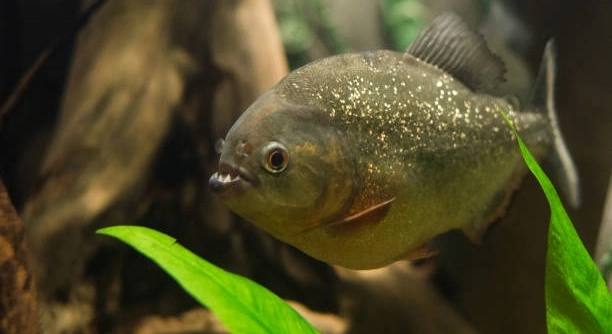
Feeding movements are important to understand how animals eat and interact with their food. Recognizing these key behaviors helps in monitoring their health and well-being. This article introduces seven essential feeding movements to watch for.
Recognizing key feeding movements involves identifying specific actions such as chewing, licking, biting, and swallowing. These behaviors provide insight into feeding efficiency, potential health issues, and animal comfort during feeding. Observing these movements helps in better care and management practices.
Knowing these feeding patterns allows you to better support an animal’s health and detect early signs of trouble. The details shared will help improve your understanding and care routine.
Chewing: The First Step in Feeding
Chewing is a fundamental movement animals use to break down food into smaller pieces. This process helps make swallowing easier and prepares the food for digestion. When chewing, animals use their teeth and jaw muscles in a rhythmic way. Watching how they chew can tell a lot about their health. Slow or uneven chewing might suggest dental problems or discomfort. Some animals also chew to test the texture or taste of their food before fully committing to eating it. This movement is essential because it influences how well nutrients are absorbed later in the digestive system. If an animal struggles with chewing, it may refuse food or eat less, leading to weight loss or other health issues. Understanding chewing behaviors can help in adjusting diets or seeking veterinary care to keep animals healthy and comfortable. Proper chewing also encourages saliva production, which aids in digestion and protects teeth.
Chewing shows an animal’s ability to process food safely and comfortably.
Watching chewing closely can help detect early signs of dental or feeding problems before they worsen.
Licking and Its Role in Feeding
Licking is often overlooked but plays a key role in feeding. Animals lick to clean their food or themselves after eating, which helps maintain hygiene. It also assists in gathering small food particles that might be left behind. Some animals lick their lips or mouth to moisten dry food, making it easier to swallow. This movement can be a sign of anticipation or enjoyment, showing that the animal is ready to eat or satisfied. In some species, licking is a way to explore or taste their environment before deciding what to eat. When licking becomes excessive or absent, it might indicate discomfort, stress, or health issues. By observing licking patterns, caretakers can better understand feeding habits and address any potential problems early on. This simple action supports the overall feeding process and helps maintain cleanliness, which is important for long-term health.
Licking contributes to hygiene and food processing, impacting how animals handle their meals daily.
Biting and Its Importance
Biting helps animals grab and break food into manageable pieces. It’s essential for animals that eat tougher or larger items.
Biting strength and technique vary depending on the species and the type of food they consume. A strong, controlled bite ensures that animals can access the nutrients inside hard or thick-skinned foods. Observing how an animal bites can also indicate if there are any dental issues or pain. An animal reluctant to bite or biting unevenly may need attention. Sometimes, biting is also used for defense or play, but in feeding, it remains a crucial movement.
In some cases, an improper bite can cause injuries or reduce feeding efficiency. Providing food that matches an animal’s biting ability is important to prevent stress and encourage proper nutrition. Adjusting the size and texture of food items can support healthy feeding habits and overall well-being.
Swallowing: The Final Step
Swallowing moves food from the mouth into the digestive tract. It is vital for nutrient absorption and survival.
This movement involves coordinated muscle actions that safely push food down the throat without choking. Problems with swallowing can lead to coughing, choking, or refusal to eat. In some animals, swallowing difficulties may be subtle and require careful observation to detect. Knowing normal swallowing patterns helps spot any irregularities early. Proper hydration and food texture adjustments often help ease swallowing issues.
A smooth swallowing process ensures animals get the nutrients they need while preventing aspiration or other feeding complications. It’s important to monitor this movement, especially in young, elderly, or sick animals, to maintain their health. Providing soft or moist foods can assist those with swallowing difficulties.
Tongue Movement in Feeding
The tongue helps move food around the mouth, aiding chewing and swallowing. It also senses texture and taste, guiding feeding choices.
Proper tongue movement ensures food is positioned correctly for chewing and safe swallowing. Any difficulty can affect feeding efficiency and comfort.
Head and Neck Positioning
Head and neck positioning during feeding helps animals reach and handle food efficiently. It also supports proper breathing while eating.
Incorrect positioning can cause discomfort or choking risks. Observing how an animal holds its head and neck during meals reveals much about its feeding health.
Jaw Movement Patterns
Jaw movement controls how animals chew and process food. Smooth, rhythmic jaw motions indicate healthy feeding behavior.
Irregular or painful jaw movements may signal dental or muscular problems. Maintaining proper jaw function is critical for effective feeding and comfort.
Cheeks and Facial Muscles
Cheeks and facial muscles assist in holding food and controlling chewing. They help prevent food from falling out during eating.
What are the most common feeding movements to watch for?
The key feeding movements to observe include chewing, biting, licking, swallowing, tongue movement, head and neck positioning, and jaw movement. Each of these plays a specific role in how animals handle and process food. Chewing breaks down food into smaller pieces. Biting helps grab and tear food. Licking cleans and moistens food or the mouth. Swallowing moves food safely into the digestive tract. Tongue movement helps with positioning and tasting food. Head and neck positioning ensures safe and efficient eating, while jaw movement controls chewing rhythm. Watching these can help detect if an animal is feeding normally or experiencing discomfort.
Why is it important to recognize these feeding movements?
Understanding these movements allows for early detection of feeding difficulties or health problems. For example, an animal that struggles with chewing or biting may have dental issues, pain, or injury. Difficulty swallowing can lead to choking or refusal to eat. Changes in licking or tongue movement might show stress or mouth pain. Observing head and neck posture during feeding can reveal discomfort or neurological issues. By knowing what normal feeding looks like, caretakers can provide timely support or medical care. This knowledge helps ensure animals get proper nutrition and maintain good health.
How can feeding movement problems be addressed?
If an animal shows abnormal feeding movements, the first step is often to consult a veterinarian to rule out medical causes like dental disease or injury. Adjusting the type and texture of food can help animals with biting or chewing difficulties. Softer or smaller food pieces may be easier to manage. For swallowing problems, moistening food or using special diets can reduce risk. Sometimes, physical therapy or gentle exercises may improve jaw or tongue function. Monitoring feeding closely and making gradual changes ensures comfort and better nutrition. Consistent observation allows quick response to any worsening conditions.
What signs indicate a feeding movement issue?
Look for hesitation, uneven chewing, dropping food, excessive saliva, coughing, or gagging during meals. Refusal to eat or changes in eating speed can also be signs. Other signals include frequent head shaking, pawing at the mouth, or unusual licking. Difficulty swallowing may show as choking or noisy breathing after eating. Any sudden or gradual change in how an animal eats deserves attention. Sometimes signs are subtle, so regular observation helps catch problems early. Early detection leads to better treatment outcomes and avoids more serious complications.
Can feeding movements indicate overall health?
Yes, feeding movements reflect not just oral health but also neurological and muscular well-being. Problems with jaw or tongue control can suggest nerve damage or muscle weakness. Abnormal head or neck positioning may indicate pain or neurological disorders. Changes in feeding behavior often accompany illness or stress. Watching feeding closely gives insight into an animal’s general condition and comfort level. Feeding is a daily activity, so it is a practical way to monitor health over time. Changes in these movements often prompt further investigation to ensure proper care.
How can I help an animal with feeding difficulties?
Start by providing appropriate food types that match the animal’s ability to chew and swallow. Soft, moist, or ground foods often help those struggling with biting or swallowing. Maintain a calm and quiet feeding environment to reduce stress. Feeding smaller, more frequent meals can ease the process. Regularly clean the feeding area and check for any oral pain signs. If problems persist, seek veterinary advice. They may recommend treatments, dietary adjustments, or therapies tailored to the specific issue. Your patience and observation play a big role in helping the animal adapt comfortably.
Are there preventive measures for feeding problems?
Regular dental check-ups and good oral hygiene are important. Providing a balanced diet suitable for the animal’s species and age supports strong teeth and muscles. Avoid giving food that is too hard or inappropriate for their feeding style. Observe feeding behaviors regularly to catch early signs of trouble. Maintaining overall health through exercise and stress reduction also helps prevent feeding difficulties. Early intervention when changes occur is key to preventing serious problems. Awareness and care create a better feeding experience and improve long-term well-being.
Feeding movements are simple actions, but they tell us a lot about an animal’s health and comfort. Watching how an animal eats helps identify if something is wrong early on. Movements like chewing, biting, licking, and swallowing all play important roles in how food is taken in and processed. When these movements are normal, it usually means the animal is comfortable and healthy. If they change or seem difficult, it might be a sign of pain, illness, or injury. Paying attention to these behaviors allows caretakers to respond quickly and support the animal’s well-being.
Taking the time to observe feeding habits can prevent many problems from getting worse. Sometimes, changes are small and easy to miss until they become serious. For example, an animal chewing on one side of the mouth or swallowing slowly could be showing early signs of dental pain or swallowing difficulty. Adjusting food type or texture can make feeding easier and more comfortable. Sometimes a visit to the veterinarian is needed to find out what is causing the problem and how to fix it. Understanding feeding movements helps in making informed decisions that improve an animal’s quality of life.
Feeding is more than just giving food; it is about ensuring the animal can eat safely and comfortably. When we recognize key feeding movements, we can better care for animals by meeting their individual needs. It helps us know when to change feeding routines, when to offer different food, or when to seek help. By observing and responding to these movements, we create a healthier and happier environment for the animal. Paying close attention to how they eat helps keep them nourished and comfortable every day.

Hello,
If you enjoy the content that we create, please consider saying a "Thank You!" by leaving a tip.
Every little bit helps us continue crafting quality advice that supports the health, happiness, and well-being of pets around the world, for pets of all shapes, sizes, and species.
We really appreciate the kindness and support that you show us!