
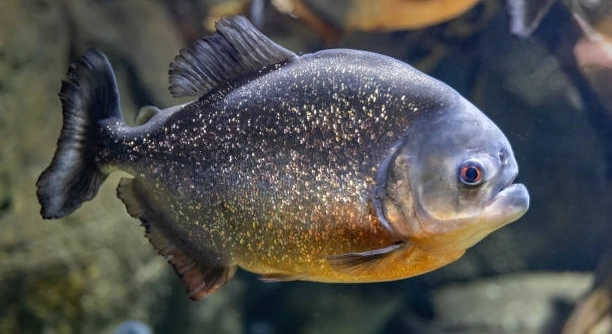
Piranhas are often seen as fierce fish, but they also show behaviors that look like they have a clear purpose. These actions help them survive and interact with their environment. Understanding these activities gives insight into their nature.
Piranhas engage in activities such as schooling, feeding, and territory defense, which serve specific survival and social functions. These behaviors are not random but have evolved to enhance their chances of survival and reproduction in the wild.
Exploring these purposeful actions reveals more about how piranhas live and interact beneath the water’s surface. Their behavior can be fascinating when seen from a new perspective.
Schooling Behavior for Protection
Piranhas often swim in groups called schools. This behavior helps protect them from larger predators. When they move together, it is harder for a predator to single out one fish. Schooling also helps piranhas find food more efficiently. By staying close, they can quickly react to threats or chances to eat. This teamwork improves their survival rate. Each fish follows simple rules like matching speed and direction with its neighbors. Even though it looks like they are just moving randomly, there is a clear pattern behind it. This collective movement reduces the chance of any individual piranha being attacked. It also allows them to cover more area when searching for food. Swimming in groups is a smart way for piranhas to stay safe while still feeding well.
Schooling is a natural defense and hunting strategy that benefits every fish in the group. It improves safety and food access.
Being part of a school creates a balance between staying alert and sharing resources. It shows how piranhas rely on each other to survive. This social behavior is one of the key reasons why piranhas thrive in their habitats. It’s a simple but effective way to handle danger and increase their chances of catching prey. Watching them swim together reveals the strength found in numbers and how each piranha plays a role in keeping the group alive.
Feeding Frenzies and Communication
Piranhas communicate during feeding through quick movements and sounds. This helps coordinate the group when food is found.
Feeding frenzies happen when piranhas sense food nearby. The group quickly gathers, and each fish tries to eat its share. These frenzies are fast and intense, driven by hunger and survival instincts. While they seem chaotic, there is communication happening through body language and sudden bursts of speed. This coordination prevents some piranhas from being left out and helps the group share resources. It also signals others to join the feeding, making sure no chance for a meal is missed. Understanding these feeding behaviors shows how piranhas balance competition with cooperation. It also explains why they have a reputation for being aggressive during meals but still depend on group actions to succeed. This natural teamwork during feeding is part of their survival strategy.
Territorial Defense
Piranhas defend their territory to protect resources and mates. They show aggression toward intruders to keep others away.
Territorial defense is key for piranhas, especially during breeding season. They guard areas with good shelter or food sources. When a stranger enters their space, piranhas display threatening behaviors such as flaring fins, chasing, or biting. This keeps rivals from taking over their territory. Defending territory ensures they have access to the best resources needed for survival and reproduction. The aggression is a natural way to maintain balance in their environment and prevent overcrowding.
Territorial defense also helps piranhas protect their young. By keeping enemies out, they improve their offspring’s chance of survival. This behavior shows how important space is for piranhas in crowded habitats. Holding a territory gives them an advantage in raising strong and healthy young fish.
Nest Building and Care
Piranhas build nests to protect their eggs and young fish from predators. Nesting is a careful and purposeful behavior.
Male piranhas usually create and guard nests made from cleared areas in the riverbed or vegetation. They clean the site and remove debris to prepare a safe spot for eggs. After the female lays eggs, the male protects the nest fiercely, fending off threats. He may fan the eggs with his fins to keep them clean and well-oxygenated. This care continues until the young hatch and become more independent. Nest building and guarding require energy but greatly improve the chances of offspring survival. It shows how piranhas invest in the next generation, balancing their aggressive nature with parental care. This behavior reflects their instinct to protect their lineage and maintain the species over time.
Rapid Jaw Movement
Piranhas use quick jaw movements to catch and tear food. This action is fast and precise.
Their powerful jaws and sharp teeth work together to bite through flesh efficiently. This rapid movement helps them feed on prey before it escapes.
Social Hierarchy
Piranhas establish a social hierarchy within their schools. Dominant fish have priority access to food and mates, while lower-ranking ones wait their turn. This order helps reduce constant fighting and keeps the group stable.
Resting Behavior
Piranhas rest in calm areas of the water to conserve energy. This helps them stay alert and ready for sudden changes in their environment. Resting is a vital part of their daily routine to maintain strength.
What do piranhas eat?
Piranhas mainly eat smaller fish, insects, and plants. They are opportunistic feeders, meaning they eat whatever food is available. Some species prefer meat, while others also eat fruit and seeds. Their sharp teeth allow them to tear flesh quickly, making them effective hunters.
How do piranhas communicate?
Piranhas use body language, such as fin movements and postures, to communicate with each other. They also make sounds like clicks or grunts, especially during feeding or territorial disputes. These signals help coordinate group behavior and reduce conflicts within schools.
Are piranhas dangerous to humans?
While piranhas have a fierce reputation, they rarely attack humans. Most bites happen when people enter their habitat or provoke them. Piranhas prefer small prey and tend to avoid large animals unless threatened or very hungry.
Why do piranhas swim in schools?
Swimming in groups helps piranhas protect themselves from predators. It makes it harder for enemies to target a single fish. Schools also improve their chances of finding food quickly, and allow coordinated feeding frenzies, which are more successful than solo hunting.
Do piranhas care for their young?
Yes, many piranha species show parental care. Males often build nests and guard the eggs from predators. They also keep the nest clean and protect the young until they are strong enough to survive on their own. This care increases the survival rate of their offspring.
How do piranhas defend their territory?
Piranhas use aggressive behaviors like chasing, biting, and flaring their fins to keep other fish away. This defense protects their food sources and breeding areas. Territorial defense is strongest during mating seasons when resources are most valuable.
Can piranhas survive in different water conditions?
Piranhas are adaptable and can live in various freshwater environments like rivers, lakes, and flooded forests. However, they prefer warm, slow-moving waters with plenty of vegetation for hiding and breeding. Changes in water quality or temperature can affect their behavior and survival.
How fast can piranhas bite?
Piranhas can bite with incredible speed and power, sometimes within milliseconds. Their strong jaw muscles and razor-sharp teeth allow them to quickly cut through flesh. This fast bite is key to catching prey and defending themselves from threats.
Do all piranhas attack in feeding frenzies?
Not all piranha species feed in frenzies. Some feed alone or in small groups. Frenzies usually happen when food is abundant and competition is high. It is an intense feeding behavior that helps piranhas quickly consume large meals.
Why are piranhas often misunderstood?
Piranhas have a scary reputation because of movies and stories, but many species are not as aggressive as people think. They play an important role in their ecosystem by cleaning up dead animals and controlling fish populations. Understanding their behaviors helps see them in a more balanced way.
How do piranhas stay safe from predators?
Besides schooling, piranhas use sharp teeth and quick movements to defend themselves. Their aggressive nature warns predators to stay away. Some species also hide in vegetation or murky waters to avoid being seen.
What role do piranhas play in their environment?
Piranhas help maintain a healthy ecosystem by controlling prey populations and cleaning up dead animals. Their feeding habits prevent overpopulation of some species and recycle nutrients back into the water. They are an important part of the food chain.
Can piranhas recognize each other?
There is evidence that piranhas can recognize individual fish within their group. This recognition helps maintain social order and reduces fights. It also helps them cooperate during schooling and feeding.
How do piranhas reproduce?
Piranhas reproduce by laying eggs in nests that males build and guard. Females lay hundreds of eggs, which hatch after a few days. The male protects the eggs and young fish until they are strong enough to survive on their own.
What happens during a feeding frenzy?
During a feeding frenzy, piranhas quickly gather around food and bite aggressively. This intense behavior is triggered by the smell or sight of prey. Although it looks chaotic, it is a survival tactic to eat as much as possible before the food is gone.
Are piranhas active at night or day?
Most piranhas are more active during the day when they hunt and feed. However, some species show increased activity at dawn or dusk. Their behavior changes depending on food availability and environmental conditions.
How do piranhas avoid injury from each other?
Despite their aggression, piranhas rarely injure each other seriously. They have social rules and body language to prevent fights from escalating. During feeding, the rapid movement and quick bites reduce prolonged conflict within the group.
Can piranhas live in captivity?
Piranhas can live in aquariums if their environment is carefully maintained. They need enough space, proper water conditions, and a suitable diet. Keeping them with other fish can be challenging because of their aggressive nature.
What is the lifespan of a piranha?
In the wild, piranhas live around 10 to 15 years, depending on the species and environmental conditions. In captivity, with proper care, they can sometimes live longer. Their lifespan is influenced by food availability and safety from predators.
How do piranhas respond to threats?
When threatened, piranhas may swim away quickly, display aggression, or gather in groups for protection. Their sharp teeth and fast bites serve as a defense. These responses help them avoid danger and increase their chances of survival.
Piranhas are often seen as dangerous fish, but their behaviors show a more complex side. They act in ways that help them survive and thrive in their environment. From swimming in groups for protection to defending their territory and caring for their young, these actions serve clear purposes. Understanding these behaviors gives a better picture of how piranhas live day to day, beyond just their fierce reputation. Their survival depends on cooperation, communication, and strong instincts.
It is interesting to see how piranhas balance aggression with care. While they can be very protective and even aggressive, especially when feeding or guarding their space, they also show behaviors that support their group and offspring. For example, building nests and guarding eggs demonstrates a form of parental responsibility. Their schooling behavior reduces risks for individuals, and their quick jaw movements help them feed effectively. These actions are not random but carefully adapted to help them face challenges in the wild.
Looking at piranhas this way allows us to appreciate their role in nature. They are important for maintaining healthy ecosystems by controlling other fish populations and cleaning up the environment. Their purposeful activities show they are more than just fierce hunters; they are animals with survival strategies shaped by evolution. By learning about these behaviors, it becomes easier to respect piranhas and understand their place in freshwater habitats. This balanced view helps remove some of the fear and highlights their fascinating natural life.

Hello,
If you enjoy the content that we create, please consider saying a "Thank You!" by leaving a tip.
Every little bit helps us continue crafting quality advice that supports the health, happiness, and well-being of pets around the world, for pets of all shapes, sizes, and species.
We really appreciate the kindness and support that you show us!