
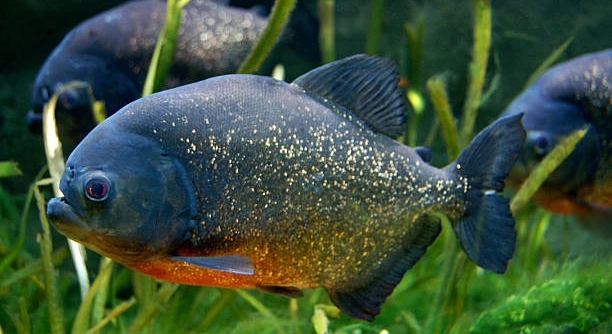
Piranhas are known for their sudden bursts of speed, which play a crucial role in their survival and hunting habits. These changes in speed can influence how they interact with their environment and other creatures. Understanding these shifts helps us learn more about their behavior.
Seven important changes in piranha speed include variations caused by water temperature, oxygen levels, group size, age, feeding habits, stress, and time of day. Each factor affects their swimming efficiency and overall activity, impacting their ability to hunt and avoid predators.
Exploring these factors sheds light on the complex nature of piranha movement and how they adapt to different conditions in their habitat.
Water Temperature and Its Impact on Piranha Speed
Water temperature plays a key role in how fast piranhas can swim. When the water is warmer, their metabolism speeds up, allowing them to move more quickly. Colder water slows them down because their bodies need to conserve energy. This change affects their ability to hunt and escape threats. Piranhas are cold-blooded, so they rely heavily on external temperatures to regulate their speed. In warm conditions, they are more active and aggressive, making quick bursts to catch prey. On the other hand, in cooler water, they tend to conserve energy, swimming slower and less frequently attacking. Temperature shifts can happen daily or seasonally, so piranhas constantly adjust their speed to match the conditions. Understanding how temperature affects them helps explain their changing behavior throughout the year.
This temperature-speed link is vital for their survival and influences how often they feed and interact.
Knowing these effects can help in managing piranha habitats and predicting their activity patterns.
Oxygen Levels in the Water
Oxygen levels directly affect how much energy piranhas have for swimming.
When oxygen is abundant, piranhas can maintain higher speeds for longer periods without tiring quickly. In water with low oxygen, they reduce their activity to conserve energy, often slowing down. This is because their muscles need oxygen to work efficiently. In poorly oxygenated environments, piranhas may appear sluggish or inactive. This change in speed can affect hunting success and how they respond to threats. In some cases, low oxygen forces piranhas to surface more often, making them vulnerable. Their ability to tolerate different oxygen levels shows how adaptable they are. Managing oxygen levels in their habitats is important for keeping their populations healthy and active.
Group Size Effects on Swimming Speed
Piranhas often swim in groups, and the size of these groups can influence their speed. When they swim in larger schools, their speed can increase due to coordinated movements and safety in numbers. Group swimming helps reduce individual effort by sharing the workload of moving through water, much like cyclists drafting in a race. In smaller groups or when alone, piranhas may swim slower because they lack this advantage. However, larger groups can also create more competition for food, which sometimes makes individuals more aggressive and faster to catch prey. Group size also affects their ability to react quickly to predators, as many eyes spotting danger helps the whole group move fast. This balance between cooperation and competition shapes how their speed changes in different social settings. Understanding these social effects offers insight into their natural behaviors in rivers and lakes.
Age and Piranha Speed
Younger piranhas tend to swim faster than older ones because they have more energy and better muscle strength. As they age, their speed decreases due to reduced stamina and slower reflexes. This change impacts their hunting ability and survival chances in the wild.
Young piranhas rely heavily on speed to catch small prey and avoid predators. Their muscles develop quickly, giving them bursts of fast movement. Older piranhas, however, often depend on experience and strategy rather than speed alone. They may conserve energy, waiting for easier opportunities to feed instead of chasing prey aggressively. This shift helps balance their declining physical abilities. The differences in speed between young and old also affect how piranhas interact within their groups, influencing social dynamics and territory control.
Understanding age-related speed changes is useful when observing piranha behavior in natural or controlled environments. It explains why juveniles appear more active and aggressive compared to their older counterparts, shaping group roles and feeding habits over time.
Feeding Habits and Speed
Feeding habits influence how fast piranhas swim during hunting and after meals.
When piranhas are hungry, they often swim faster and more aggressively to catch prey. After feeding, their speed decreases as they digest and rest. This cycle is part of their energy management. Active hunting requires bursts of speed to surprise prey, while resting conserves energy for future hunts. Their feeding frequency and diet type also impact how much energy they expend. Fish eating more often may maintain higher speeds throughout the day. In contrast, those with longer gaps between meals show slower movements. Changes in available food sources can alter their swimming patterns and overall activity level.
This relationship between feeding and speed shows how piranhas balance energy use to survive. It highlights the connection between nutrition and physical performance, which can vary by environment and season.
Stress and Piranha Speed
Stress causes piranhas to swim faster as a response to danger or discomfort. It triggers a fight-or-flight reaction, increasing their speed temporarily.
However, prolonged stress can tire them out, reducing their overall swimming performance and energy levels over time.
Time of Day and Activity Levels
Piranhas tend to be more active and swim faster during early morning and late afternoon. These times offer cooler temperatures and better hunting opportunities. During midday, they slow down to conserve energy and avoid heat stress. Their activity patterns align with light levels and prey behavior, affecting how fast they move.
Impact of Water Currents
Strong water currents make piranhas swim faster to maintain position and avoid being swept away. They use bursts of speed to navigate turbulent waters and catch prey effectively. In calm water, their swimming is more relaxed and steady, requiring less energy. Currents challenge their endurance and speed, influencing daily movement and feeding habits.
Age and Speed Summary
Younger piranhas swim faster and are more energetic, while older ones slow down due to muscle and stamina decline.
FAQ
Why do piranhas swim faster in warmer water?
Piranhas are cold-blooded animals, so their body temperature and metabolism depend on the water temperature. When the water is warmer, their metabolism speeds up, giving them more energy to swim faster. This helps them hunt more effectively and avoid predators. In colder water, their metabolism slows, making them less active and slower swimmers. This natural adjustment helps them save energy when conditions aren’t ideal.
How does oxygen level affect piranha speed?
Oxygen is crucial for muscle function. When oxygen levels in water are high, piranhas can swim longer and faster because their muscles get enough oxygen to work efficiently. In water with low oxygen, piranhas slow down to save energy. They may also surface more often to get oxygen, which reduces their swimming time and speed. Low oxygen conditions can make piranhas less active and affect their feeding habits.
Do piranhas in larger groups swim faster?
Yes, piranhas often swim faster in larger groups. Swimming together helps them conserve energy by reducing water resistance, much like how cyclists draft in a race. Being in a group also improves their chances of spotting predators quickly, so they can react faster. However, bigger groups can create more competition for food, which sometimes makes individual piranhas swim even faster during hunting.
Why are younger piranhas faster than older ones?
Younger piranhas have stronger muscles and more energy compared to older piranhas. They rely on speed to catch prey and escape threats. As piranhas age, their muscle strength and stamina decrease, causing them to swim slower. Older piranhas often depend more on experience and strategy instead of speed, which helps them survive despite the physical decline.
How does feeding affect piranha speed?
Hungry piranhas swim faster because they need to catch prey quickly. After feeding, they slow down to digest their food and conserve energy. Their speed varies with how often they eat and the type of food they consume. More frequent feeding leads to higher activity and speed, while long gaps between meals cause slower swimming and energy conservation.
What happens to piranha speed under stress?
Stress triggers a quick boost in piranha speed as part of their fight-or-flight response. They swim faster to escape danger or uncomfortable situations. However, if stress lasts a long time, it can wear them out, leading to lower overall speed and reduced stamina. Constant stress may harm their health and limit their activity.
Do piranhas swim at different speeds depending on the time of day?
Yes, piranhas tend to be more active and swim faster during early mornings and late afternoons. These periods offer cooler temperatures and better hunting conditions. During the hottest parts of the day, piranhas slow down to save energy and avoid heat stress. Their speed aligns with prey behavior and environmental factors like light and temperature.
How do water currents affect piranha swimming speed?
Strong currents force piranhas to swim faster to maintain their position and avoid being swept away. They use short bursts of speed to move through rough waters and catch prey. In calm waters, they swim more slowly and steadily, which uses less energy. Water currents challenge their endurance and influence how much energy they spend daily.
Can environmental changes cause permanent changes in piranha speed?
Environmental factors like long-term changes in water temperature, oxygen levels, or pollution can affect piranha speed over time. If conditions remain unfavorable, piranhas may adapt by altering their swimming patterns or energy use. However, extreme or rapid changes could reduce their overall health and ability to swim fast, impacting survival and reproduction.
Is piranha speed linked to their hunting success?
Absolutely. Speed is a critical factor in how well piranhas hunt. Quick bursts of speed allow them to surprise prey and catch it before it escapes. If a piranha is slow due to age, stress, or environmental conditions, it may struggle to feed properly. Their ability to adjust speed depending on the situation helps balance energy use and maximize hunting efficiency.
Piranha speed changes in many ways, influenced by factors like water temperature, oxygen levels, age, and stress. These shifts in speed are important for their survival and daily life. When the water is warm, piranhas move faster because their bodies work more quickly. Cooler water makes them slower, as they need to save energy. Oxygen in the water also plays a big role—more oxygen helps them swim longer and faster, while less oxygen forces them to slow down. This shows how sensitive piranhas are to their environment and how much they depend on it to stay active.
Age is another important factor. Younger piranhas are fast and energetic, which helps them catch food and avoid predators. Older piranhas swim slower because their muscles are weaker, but they use experience to survive in other ways. Stress can make piranhas speed up for short times, helping them escape danger. However, if they stay stressed for too long, they become tired and slow. Group size and water currents also affect how fast piranhas swim. Being in a bigger group can help them move faster and feel safer, while strong currents make them work harder to keep up. These natural changes in speed help piranhas adjust to different situations and improve their chances of survival.
Understanding these changes in piranha speed can help us better protect their habitats and manage their populations. It also gives insight into how they behave and interact with other animals in the water. By knowing what affects their speed, we can predict when piranhas might be more active or when they need rest. This knowledge is useful for scientists and anyone interested in freshwater life. Piranhas are more complex than many people realize, and their changing speed is just one part of what makes them such fascinating fish to observe and study.

Hello,
If you enjoy the content that we create, please consider saying a "Thank You!" by leaving a tip.
Every little bit helps us continue crafting quality advice that supports the health, happiness, and well-being of pets around the world, for pets of all shapes, sizes, and species.
We really appreciate the kindness and support that you show us!