
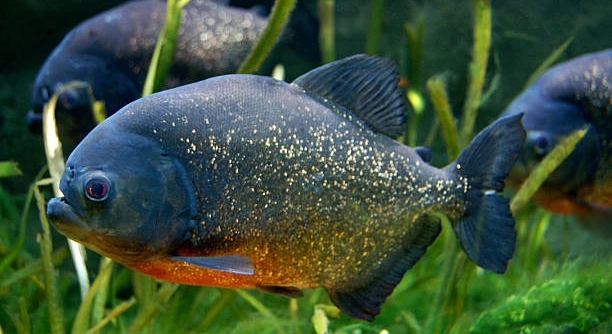
Are your piranhas showing signs of recognizing their daily schedule? Watching these fish adapt to routine can be fascinating for any aquarium owner. Understanding their behavior helps create a stable environment for them to thrive.
Piranhas can learn routine through repeated daily patterns, including feeding times and interactions. They respond consistently to stimuli, showing anticipation and reduced stress when schedules are predictable. This behavioral adaptation indicates cognitive learning in these aquatic animals.
Knowing these signs allows you to better care for your piranhas and support their well-being. Observing their habits closely will reveal much about their daily lives and needs.
Recognizing Feeding Time Cues
Piranhas quickly learn when feeding time is approaching. They begin to swim actively near the surface or the area where food is usually given. This behavior develops after consistent feeding schedules. Over time, they associate certain signs, like the sound of a container opening or movement near the tank, with food arrival. Their excitement becomes noticeable as they prepare to eat. This anticipation shows they remember and expect daily events. The more consistent the feeding time, the clearer their routine becomes. It also helps reduce stress because they know when to expect nourishment. This pattern strengthens the bond between you and your fish through reliable care. Observing this cue makes feeding more enjoyable for both the owner and the piranhas. It reflects their ability to adapt to predictable patterns in their environment. Feeding time cues are one of the most obvious signs that your piranhas are learning routine well.
This behavior shows piranhas can connect daily events to rewards, highlighting their learning ability.
Regular feeding routines not only keep piranhas healthy but also create a calm tank environment. Predictable schedules help maintain their natural rhythms and encourage active, confident behavior. Watching these signs means your care supports their wellbeing and mental engagement.
Movement Patterns in the Tank
Piranhas often follow a set path or swim pattern once a routine is established.
When piranhas settle into a routine, they explore their tank in predictable ways. This means they swim along the same routes or hang out in familiar spots at specific times. For example, before feeding, they may gather near the food area or circle the tank edges more frequently. This behavior shows they have learned when to expect certain events. Routine movement reduces their stress by making the environment more predictable. It also signals comfort with the tank layout and schedule. When your piranhas repeat these movements daily, it means they are mentally mapping their space and routines. This ability to form habits improves their overall health and behavior. Recognizing these patterns can help you notice when something is off, allowing quicker responses to their needs. Monitoring how your piranhas move can give insight into how well they have adjusted to their environment.
Response to Light Changes
Piranhas quickly notice changes in light, often linked to routine times like feeding or cleaning.
When the lights dim or brighten at consistent times, piranhas adjust their behavior accordingly. They may become more active when lights turn on, anticipating feeding or activity, and settle down when lights dim. This response shows they recognize the daily cycle in their environment. By linking light changes to routine, they feel more secure and less stressed. It also helps regulate their internal clock, making their behavior more predictable. Such sensitivity to light cues confirms that piranhas are learning and adapting to their tank’s routine.
Observing their reaction to lighting can help you keep a healthy schedule. It guides adjustments in lighting times to match their natural habits and improve their overall well-being.
Social Interactions Improve
Piranhas show better social behavior as they learn daily routines.
Regular schedules help piranhas feel safe, reducing aggressive encounters. When their day is predictable, they spend more time near each other calmly instead of hiding or fighting. This stability encourages social bonding and clearer group hierarchy. Routine also means they anticipate when others will be active, which helps coordinate their movements and reduces tension. This smoother social interaction improves the tank atmosphere.
With consistent care, you’ll notice piranhas communicating more through body language, such as fin displays or swimming patterns. These behaviors indicate comfort and understanding within the group, showing that routine fosters better social health.
Predictable Resting Spots
Piranhas often choose the same places to rest once a routine is established.
These spots provide comfort and safety, showing they feel secure in their environment.
Reaction to Feeding Tools
Piranhas begin to recognize specific feeding tools or movements. For example, the sight of a net or food container may cause them to gather or become excited. This learned response shows they connect objects and actions to food, demonstrating memory and routine awareness.
Reduced Startle Responses
With routine, piranhas become less startled by regular tank noises or movements.
They adapt to predictable sounds, reducing stress and improving their comfort in the tank.
How can I tell if my piranhas have learned their routine?
You can notice several behaviors showing that your piranhas are familiar with their daily schedule. They start anticipating feeding times by swimming near the surface or the food area. They respond to light changes and recognize feeding tools. Their movements become more predictable, often following the same routes in the tank. They also become less startled by regular noises and tank activities. These signs show they remember and expect daily events, which means they have learned the routine.
Why is it important for piranhas to learn a routine?
Learning a routine helps piranhas feel secure in their environment. When they expect feeding times and tank maintenance, stress decreases. A calm piranha is healthier and behaves more naturally. Routine also helps regulate their internal clock, improving sleep and activity cycles. This mental stability supports better social interactions and overall well-being. In short, routine creates a more balanced and comfortable environment for your fish.
How long does it take for piranhas to learn a routine?
The time varies but usually takes a few weeks of consistent care. Feeding at the same times every day, keeping a stable light cycle, and minimizing sudden changes help speed up learning. Piranhas are smart and adapt quickly when conditions are steady. It’s important to be patient and observe their behavior as they adjust. Regular routines reinforce their learning and help build trust.
Can inconsistent feeding harm piranhas?
Yes, irregular feeding can confuse piranhas and increase stress. They may become aggressive or less active if they don’t know when to expect food. It can also weaken their immune system and overall health. Consistency in feeding times supports their natural rhythms and encourages positive behavior. Sticking to a schedule benefits both the fish and the aquarium environment.
What should I do if my piranhas don’t show routine signs?
First, review your care schedule to ensure consistency in feeding and lighting. If routines are irregular, try to stabilize them immediately. Observe if the tank environment is comfortable, with proper water conditions and hiding spots. Stress or illness can prevent piranhas from showing normal routine behaviors. If problems persist, consider consulting an aquatic specialist for advice on health or environment adjustments.
Are all piranhas equally good at learning routines?
Individual fish may vary in how quickly they learn routines. Some are more active and responsive, while others may be shy or slower to adapt. Age and health also affect learning ability. Younger, healthier piranhas tend to pick up routines faster. It’s normal to see differences within a group. Providing a stable, low-stress environment helps all your piranhas improve at learning over time.
How can I encourage better routine learning in my piranhas?
Keep feeding times consistent every day. Use the same tools or signals when feeding to help them associate these with food. Maintain a regular light cycle to support their internal clock. Avoid sudden changes in the tank or handling. Giving them a calm, stable space makes it easier for piranhas to form habits. Watching for their reactions and adjusting your routine slightly can also encourage better learning.
Do piranhas need social interaction to learn routines?
Social interaction can support routine learning but isn’t strictly necessary. Piranhas often learn from the group’s behavior, especially during feeding or movement patterns. In a well-established group, fish may follow each other’s cues, speeding up routine learning. However, individual piranhas can still learn routines when kept alone, as long as care is consistent and signals are clear.
Can changes in the environment disrupt learned routines?
Yes, sudden changes like different feeding times, new tank decorations, or lighting shifts can confuse piranhas. They may become stressed or stop showing routine behaviors. Keeping the environment stable is important once a routine is established. If changes are needed, introduce them slowly and observe how your piranhas react. Gradual adjustments help maintain routine learning without causing stress.
Is it normal for piranhas to become more active before feeding?
Yes, increased activity before feeding is a common sign they have learned their routine. Piranhas may swim faster, gather near the food area, or show excitement when feeding time approaches. This behavior shows they anticipate the event and are mentally prepared. It’s a positive sign that they are comfortable and responsive to their environment.
How do light cycles affect piranha behavior?
Light cycles help regulate piranhas’ internal clocks. Regular light and dark periods cue their activity and rest times. Proper lighting routines reduce stress and encourage natural behavior patterns. Sudden or irregular light changes can disrupt their cycle and cause confusion. Maintaining consistent lighting supports routine learning and overall health in your fish.
Piranhas are more intelligent than many people realize. They can learn daily routines and respond well to consistency in their environment. When you feed them at the same time every day and keep their tank conditions stable, they begin to recognize patterns. This helps them feel safe and reduces stress. Over time, their behavior becomes more predictable, which makes caring for them easier. Watching piranhas respond to routine can be a rewarding experience because it shows they are comfortable and well-adjusted to their home.
Creating a steady routine is important not just for the fish but also for you as their caretaker. When piranhas expect feeding times and recognize signals like light changes or the sight of feeding tools, their stress levels drop. This makes the tank a calmer place for all the fish. A calm environment encourages better social interactions and healthier behavior among the piranhas. It also helps prevent common problems like aggression or lethargy. The more consistent your care, the more your piranhas will thrive and display natural habits that are easier to understand.
If you want to support your piranhas’ well-being, focus on regular schedules and stable tank conditions. Keep feeding times and light cycles as consistent as possible. Avoid sudden changes in their environment, and watch for signs that they have learned their routine. This includes their activity levels before feeding, the places they rest, and how they respond to familiar cues. Routine learning is a sign of good mental health in piranhas and shows they trust their surroundings. Paying attention to these details will help you build a strong, positive relationship with your fish and ensure they live healthy, happy lives.

Hello,
If you enjoy the content that we create, please consider saying a "Thank You!" by leaving a tip.
Every little bit helps us continue crafting quality advice that supports the health, happiness, and well-being of pets around the world, for pets of all shapes, sizes, and species.
We really appreciate the kindness and support that you show us!