
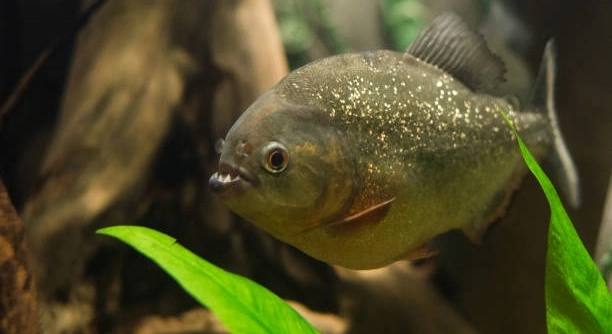
Piranhas are known for their sharp teeth and fierce reputation. They rely on various senses to stay aware of their environment. Observing how these fish check their surroundings reveals important details about their behavior and survival.
Piranhas use a combination of sight, smell, lateral line sensing, sound detection, and movement observation to monitor their environment. These methods help them detect threats, locate food, and communicate with others efficiently.
Understanding these ways provides insight into piranhas’ daily lives and how they navigate their often complex aquatic habitats.
Vision and Movement Detection
Piranhas rely heavily on their vision to monitor their surroundings. Their eyes are adapted to see clearly underwater, allowing them to spot movement and changes in light. This helps them detect potential prey or predators early. When a piranha sees something moving nearby, it will focus intently to assess the situation. Sharp eyesight is especially important in murky water, where quick reactions can mean the difference between finding food and becoming food. Movement detection is linked closely to vision. Piranhas can sense small shifts in water caused by swimming creatures. This ability allows them to respond quickly to changes, making their hunting and defense more effective.
The ability to track movement visually helps piranhas respond rapidly to threats or opportunities, improving their survival chances in their aquatic environment.
The way piranhas use vision and movement detection is impressive. They combine sharp eyesight with sensitivity to water vibrations to stay alert. This dual approach allows them to react fast, whether they are hunting or avoiding danger. Their eyes work well in different lighting conditions, and their ability to read subtle movements in the water keeps them one step ahead in their habitat. These adaptations make piranhas efficient and cautious predators.
The Role of the Lateral Line System
The lateral line system is a key sensory organ in piranhas. It runs along their sides and detects vibrations and pressure changes in the water. This system allows piranhas to sense movements from other animals or objects, even when visibility is poor. The lateral line helps them navigate, avoid obstacles, and locate prey hiding nearby. This sense is vital in dark or muddy waters where sight alone is not enough.
By detecting water disturbances, the lateral line system provides piranhas with continuous environmental feedback that guides their behavior and movement.
This sensory system works like an early warning mechanism. When other fish or predators move through the water, the lateral line picks up the vibrations, alerting the piranha to their presence. This helps them stay aware of nearby dangers and hunt effectively. The system can sense changes in water pressure caused by currents or the motion of swimming creatures. It enables piranhas to detect objects without seeing them, enhancing their ability to respond to their surroundings. The lateral line is an essential tool for survival, especially in environments where visual cues are limited. It complements their vision and smell, giving them a full picture of what is happening around them. With this system, piranhas maintain constant awareness and improve their chances of catching prey or escaping threats.
Use of Smell and Taste
Piranhas have a strong sense of smell that helps them detect food and danger in the water. Their nostrils pick up chemical signals, even from far away. This sense works alongside taste to identify edible items and recognize threats nearby.
Smell guides piranhas toward potential prey or decaying matter. They can detect blood and other substances released by injured animals, which attracts them quickly. This ability is crucial in dark or murky water where sight is limited. Taste helps confirm whether what they find is safe to eat or not. When piranhas nibble on an object, taste receptors on their tongues give them quick feedback. If the taste is unpleasant or dangerous, they avoid it.
These senses help piranhas make quick decisions while foraging. Smell provides early alerts, while taste verifies food quality. Together, they allow piranhas to be effective and cautious feeders in their environment.
Hearing and Sound Detection
Piranhas respond to sounds and vibrations in the water. Their ears pick up low-frequency noises from other animals or environmental changes. This helps them stay alert and avoid danger. Sound detection complements other senses to give a fuller picture of their surroundings.
Low-frequency sounds travel farther underwater, allowing piranhas to detect approaching predators or prey from a distance. They can sense the splashing of fish or movements of larger animals nearby. This awareness helps them react quickly to threats or opportunities. Sound also plays a role in communication. Piranhas use certain noises to signal warnings or establish territory with others in their group. By interpreting these sounds, they coordinate behaviors that improve safety and hunting success. Overall, hearing adds an important layer to their sensory abilities, enabling them to respond to the environment effectively even when visibility is poor.
Body Language and Social Signals
Piranhas communicate with each other through body movements. Changes in posture or swimming patterns signal different intentions. These signals help maintain group order and avoid unnecessary fights.
Social signals also include changes in color or fin positioning. These cues inform others about dominance or stress, supporting group cohesion and safety.
Water Pressure Awareness
Piranhas sense subtle changes in water pressure around them. This ability helps them detect nearby objects and creatures without seeing them.
Water pressure awareness enhances their navigation, allowing piranhas to move safely in tight spaces and avoid collisions with obstacles.
Environmental Adaptation
Piranhas adjust their sensory use depending on water conditions. In murky or dark environments, they rely more on smell and lateral line sensing than vision.
This flexibility in sensing helps piranhas survive in varying habitats by compensating for limited visibility with stronger chemical and pressure detection.
Group Behavior
Piranhas often travel in groups called shoals. Group movement helps them stay alert and safe by pooling their sensory input to detect threats faster.
How do piranhas use their senses to find food?
Piranhas rely on a combination of senses to locate food. Their sharp eyesight helps them spot movement and detect prey visually. When visibility is low, they depend on their strong sense of smell to pick up chemical signals, such as blood or decay, which guides them to a potential meal. The lateral line system detects vibrations and water pressure changes caused by nearby animals, allowing piranhas to sense movement even when they cannot see it. Taste receptors help them quickly decide if something is edible once they bite or nibble on it. Together, these senses create an effective system for finding food in various water conditions.
Can piranhas detect danger before it arrives?
Yes, piranhas can detect danger early by using their lateral line system and hearing. The lateral line senses pressure changes and vibrations in the water caused by approaching predators or disturbances. This system acts as an early warning, even when the threat is not visible. Additionally, piranhas can hear low-frequency sounds through their ears, such as splashing or movements of larger animals, which helps them respond quickly to danger. These senses work alongside vision and smell to provide a complete awareness of their environment, allowing piranhas to avoid threats effectively.
Do piranhas communicate with each other?
Piranhas communicate mainly through body language and sounds. Changes in swimming behavior, posture, or fin position can signal aggression, submission, or readiness to mate. These social signals help maintain order within the group and reduce conflicts. Piranhas may also produce low-frequency sounds that act as warnings or territorial signals. This communication ensures the shoal stays coordinated, which improves their chances of survival and success when hunting or defending themselves.
How important is the lateral line system for piranhas?
The lateral line system is essential for piranhas. It allows them to sense vibrations and pressure changes in the water, providing information about nearby creatures or obstacles without relying on sight. This sense is especially valuable in murky or dark water where vision is limited. By detecting water disturbances, piranhas can track prey, avoid predators, and navigate complex environments more safely. The lateral line works in conjunction with other senses, making it a key part of their sensory toolkit.
Can piranhas see well in different water conditions?
Piranhas have eyes adapted to underwater environments that allow them to see well in clear and somewhat murky water. Their vision helps them detect movement and changes in light, which is crucial for hunting and avoiding threats. However, in very dark or heavily murky water, their eyesight becomes less effective. In these cases, they rely more on other senses like smell, taste, and the lateral line system to understand their surroundings and find food.
How do piranhas use smell and taste together?
Smell guides piranhas toward possible food sources by detecting chemicals in the water, such as blood or decaying matter. This sense helps them locate prey or carrion even when they cannot see it. Taste works as a final check when they bite or nibble on something. It helps piranhas decide if the object is safe to eat or not. This combination of smell and taste ensures they focus on edible items while avoiding harmful substances.
Why do piranhas travel in groups?
Piranhas often form shoals to increase their safety and hunting efficiency. Group living allows them to pool sensory information, making it easier to detect threats or food sources quickly. When one piranha senses danger or spots prey, the others can react faster as well. Shoaling also reduces the chance of any one individual being attacked by predators. This cooperative behavior improves survival chances for all members of the group.
How do piranhas respond to sound?
Piranhas detect low-frequency sounds through their ears, which travel well underwater. These sounds can signal the presence of predators, prey, or environmental changes. By interpreting these noises, piranhas can adjust their behavior quickly. Sound also plays a role in social communication, such as warnings or territorial claims. Hearing complements other senses by providing additional information about the environment, especially when visibility is limited.
Can piranhas sense water pressure changes?
Yes, piranhas sense water pressure changes through the lateral line system. This ability helps them detect movements and nearby objects without relying on vision. It allows them to navigate safely, avoid obstacles, and respond to other creatures’ presence. Pressure sensing is crucial in environments where water clarity is poor or during nighttime when sight is less useful.
Do piranhas have any special adaptations for sensing their surroundings?
Piranhas have several sensory adaptations that improve their awareness. Their eyes are adapted for underwater vision with good sensitivity to movement. The lateral line system detects vibrations and pressure changes. Their nostrils are highly sensitive to chemical signals for smell. Taste receptors quickly assess food quality. Their ears pick up low-frequency sounds. Together, these adaptations create a well-rounded sensory system, allowing piranhas to survive and thrive in varied aquatic habitats.
The ways piranhas check their surroundings show how well adapted they are to their environment. Each sense plays an important role in helping them find food, avoid danger, and communicate with others. Their eyesight allows them to spot movement, while their strong sense of smell and taste helps them identify edible items. The lateral line system and ability to detect water pressure give them an edge in sensing vibrations and nearby creatures, even when visibility is poor. Hearing low-frequency sounds adds another layer of awareness. Together, these senses form a complete system that keeps piranhas alert and responsive.
Piranhas also rely on social signals and group behavior to stay safe and efficient. Communication through body language and sounds helps maintain order within their shoals. Group living allows them to combine their sensory input, improving their ability to detect threats or prey. This teamwork reduces the chances of attacks and increases their success in hunting. The combination of individual sensory abilities and group cooperation makes piranhas effective survivors in their aquatic habitats. Their sensory adaptations and social strategies work together in a balanced way.
Understanding how piranhas sense their surroundings provides insight into their behavior and survival. These fish do not rely on just one sense but use many together to navigate complex environments. Their ability to adapt sensory use depending on water conditions shows flexibility and resilience. This knowledge also helps us appreciate the role of sensory systems in aquatic animals more broadly. By observing piranhas’ sensory skills, we can better understand how animals interact with their environment to meet basic needs like food, safety, and social connection.

Hello,
If you enjoy the content that we create, please consider saying a "Thank You!" by leaving a tip.
Every little bit helps us continue crafting quality advice that supports the health, happiness, and well-being of pets around the world, for pets of all shapes, sizes, and species.
We really appreciate the kindness and support that you show us!