
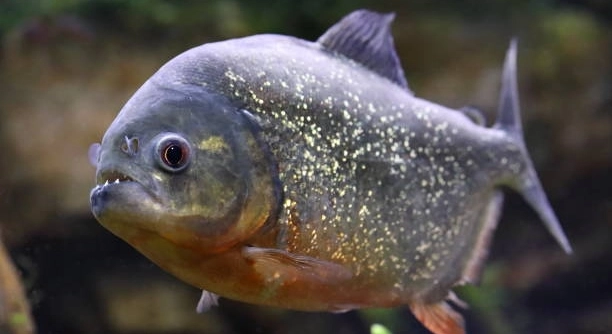
Caring for piranhas during feeding time requires attention and caution. Feeding them properly ensures safety for both the fish and the keeper. Avoiding certain habits can prevent accidents and stress in these sharp-toothed creatures.
Avoid approaching the tank abruptly, overfeeding, or using bare hands during feeding. These actions increase the risk of injury and disrupt the natural feeding behavior of piranhas. Maintaining careful and consistent routines is essential for their well-being.
Learning these habits will improve your piranha care experience and create a safer environment for everyone involved. It’s important to handle feeding with respect and understanding.
Sudden Movements Near the Tank
Piranhas are sensitive to sudden movements around their environment. When you move quickly or bang on the tank, it can cause them to become aggressive or stressed. This stress affects their health and feeding habits. It’s best to approach the tank calmly and gently. Sudden actions may trigger defensive behavior, making feeding dangerous for both you and the fish. Consistency in your actions will help the piranhas feel secure and less likely to react aggressively. Remember, these fish have sharp teeth and powerful jaws, so respecting their space is key. Slow movements also allow you to observe their feeding behavior better and react if something goes wrong. Staying calm helps keep feeding times safe and smooth for everyone involved.
Keeping calm reduces risk and creates a more peaceful feeding time for your piranhas. They respond better when the environment feels stable.
Understanding their sensitivity to movement improves your ability to care for piranhas. With calm actions, feeding becomes safer, and the fish remain healthier. Careful handling prevents injury and promotes trust between you and your aquatic pets.
Overfeeding and Its Effects
Overfeeding piranhas is a common mistake that can lead to many problems. Excess food in the tank causes water quality to drop quickly. Dirty water increases the risk of disease and stress in your fish. Piranhas may also become lazy and less likely to hunt naturally when they get too much food. Feeding only what they can consume within a few minutes is ideal. Remove any leftover food to keep the tank clean. Over time, overfeeding can cause obesity and health issues for the piranhas. A balanced feeding routine supports their natural behavior and keeps the environment safe. Watch your fish closely to adjust feeding amounts based on their size and activity level. Feeding smaller amounts more frequently often works better than large, infrequent meals.
Avoiding overfeeding helps maintain clear water and healthy fish. Clean tanks reduce illness and stress.
Feeding piranhas properly is more than giving them enough food. It means respecting their needs and keeping their habitat safe. Proper feeding habits contribute to longer, healthier lives for your fish. By controlling how much you feed, you prevent many common health problems and maintain a balanced tank. This care practice creates a stable environment, encouraging natural behaviors and reducing aggressive tendencies. Your attention to feeding routines directly impacts the well-being of your piranhas, making your care more effective and rewarding.
Using Bare Hands During Feeding
Using bare hands when feeding piranhas is risky and should be avoided. Their sharp teeth can easily cause serious injury, even if the fish are used to you.
Piranhas react quickly to movement near their food. Feeding by hand can confuse them and increase the chance of accidental bites. It’s safer to use feeding tools like tongs or long tweezers. These keep your hands out of reach and help you control the food placement. Even calm piranhas can snap suddenly, so avoiding direct contact reduces injury risks. Using tools also keeps feeding cleaner and more controlled, preventing messes in the tank.
Additionally, using tools prevents the transfer of bacteria or contaminants from your hands to the water. Clean feeding tools maintain a healthier environment for your fish. Taking this simple safety step protects both you and your piranhas during feeding time.
Ignoring Tank Cleanliness After Feeding
Leaving leftover food in the tank can quickly spoil water quality. Decaying food leads to harmful bacteria growth and poor oxygen levels. These conditions cause stress and illness in piranhas.
Regular tank cleaning after feeding is essential to prevent these issues. Removing uneaten food reduces toxins and keeps water clear. It also helps avoid bad smells and algae buildup. Clean water supports healthy fish behavior and reduces aggressive tendencies. Ignoring tank cleanliness undermines all other care efforts and puts your piranhas at risk. Make cleaning a routine part of feeding time to maintain a safe environment. This habit improves the overall well-being of your fish and keeps the aquarium looking its best. A clean tank encourages natural feeding and keeps your piranhas active and healthy.
Feeding Too Close to the Glass
Feeding piranhas right next to the glass can cause stress. They may become aggressive or frantic, making feeding unsafe.
It’s better to drop food away from the glass. This encourages natural hunting behavior and reduces aggressive reactions toward the tank walls.
Feeding Non-Recommended Foods
Piranhas need a diet suited to their carnivorous nature. Feeding them inappropriate foods can harm their digestion and health.
Avoid bread, vegetables, or processed human food. Stick to fresh fish, shrimp, or specially made carnivore pellets to keep them healthy and strong.
Neglecting Observation During Feeding
Watching your piranhas while they eat helps you spot problems early. Changes in behavior or appetite often signal health issues.
What should I do if my piranha bites me during feeding?
If a piranha bites you, remain calm and carefully remove your hand from the tank. Clean the wound immediately with soap and water to prevent infection. Applying an antiseptic and covering the wound with a clean bandage is important. If the bite is deep or shows signs of infection, seek medical attention promptly. Always avoid feeding by hand to reduce the risk of bites. Using feeding tools like tongs or tweezers keeps your hands safe. Remember, piranhas react quickly to sudden movements near their food, so slow and careful feeding helps prevent accidents.
How often should I feed my piranhas?
Feeding adult piranhas two to three times per week is generally sufficient. Young or juvenile piranhas may need feeding more often, about once a day, but in smaller portions. Overfeeding can lead to poor water quality and health problems. It’s best to offer only as much food as they can consume in a few minutes. Removing leftover food helps keep the tank clean and prevents water issues. Consistency in feeding schedules supports their natural hunger cycles and keeps them healthy.
Can I feed my piranhas frozen food?
Yes, frozen food like fish or shrimp is a good option for piranhas. Thaw frozen food properly before feeding to avoid shocking your fish. Frozen food is convenient and helps provide balanced nutrition. It also reduces the risk of introducing parasites or bacteria compared to live feeder fish. Rotate different types of frozen food to give your piranhas a varied diet. Avoid feeding frozen food that contains preservatives or additives, as these can harm your fish.
Is it safe to feed live feeder fish to piranhas?
Feeding live feeder fish can be risky because they may carry diseases or parasites that harm piranhas. Live food can also introduce unwanted bacteria into the tank. If you choose to use live feeder fish, quarantine them first to reduce the risk. Many piranha owners prefer frozen or prepared carnivore pellets to keep the fish healthy. Feeding live prey is natural but requires caution and good hygiene to avoid contamination.
Why do my piranhas fight during feeding?
Piranhas are naturally aggressive and territorial, especially when food is involved. Fighting during feeding can happen if the tank is overcrowded or if there is not enough food for all fish. Make sure to feed enough for every piranha and spread food out in different areas of the tank. Providing hiding places and enough space helps reduce stress and aggression. Regular tank maintenance and proper feeding schedules also minimize conflicts.
Can I hand-feed piranhas safely if they are used to me?
Even if your piranhas seem comfortable around your hand, hand-feeding is not recommended. Their quick reactions and sharp teeth make it easy to get hurt accidentally. Using feeding tools keeps the process safer and cleaner. It’s better to respect their natural instincts and avoid direct contact during feeding.
What types of foods should I avoid feeding my piranhas?
Avoid feeding bread, vegetables, processed human food, or anything high in starch or sugar. These are not part of a piranha’s natural diet and can cause digestive problems or illness. Stick to fresh fish, shrimp, or commercial carnivore pellets designed for meat-eating fish. Providing a proper diet ensures your piranhas stay healthy and active.
How do I know if my piranhas are eating enough?
Healthy piranhas show active behavior during feeding and quickly consume their food. If some fish are not eating or are hiding, it could signal stress or illness. Overfeeding leaves uneaten food in the tank, which is also a problem. Watch their feeding habits and adjust amounts accordingly. Regular observation helps you catch any changes early.
Is it okay to feed piranhas in the evening or morning?
Piranhas usually feed well during the day, but they can eat in the morning or evening too. Choose a consistent feeding time to establish a routine. Feeding at the same time helps reduce stress and improves their appetite. Avoid feeding right before lights go off, as it may cause aggression or competition among the fish.
What are signs of stress during feeding?
Signs of stress include frantic or aggressive behavior beyond normal feeding excitement, refusal to eat, hiding, or gasping at the surface. Stress can result from poor water quality, overcrowding, or sudden changes in feeding routine. Addressing these issues quickly improves feeding safety and fish health. Regular monitoring helps keep your piranhas calm and well-fed.
Feeding piranhas requires care, attention, and respect for their natural behavior. Avoiding risky habits during feeding time helps keep both the fish and the keeper safe. Simple steps like using feeding tools instead of bare hands, not overfeeding, and cleaning the tank regularly make a big difference. These actions reduce stress for the piranhas and create a healthier environment. When piranhas are calm and well-fed, they are less likely to act aggressively, which makes feeding a smoother experience for everyone involved. Following good feeding practices also supports their overall health and well-being, allowing you to enjoy watching these fascinating fish in a safe way.
It’s important to remember that piranhas have sharp teeth and strong jaws, so caution is always needed during feeding. Sudden movements or feeding too close to the tank glass can cause them to become startled or defensive. Taking time to approach the tank calmly and placing food properly encourages natural hunting behavior and reduces the chance of injury. Being patient and consistent with your feeding routine builds trust with the fish and helps you notice any changes in their behavior or health early on. Watching your piranhas carefully while they eat can alert you to potential problems, making it easier to address issues before they become serious.
By avoiding common mistakes and learning proper feeding habits, you can provide a safer and more balanced care environment for your piranhas. Feeding isn’t just about giving food — it’s about understanding their needs and creating conditions where they can thrive. Good feeding habits contribute to better water quality, less stress, and stronger, healthier fish. With attention and care, feeding time can become a positive part of your piranha care routine. This thoughtful approach will help your piranhas live longer and remain active, making your aquarium more enjoyable and rewarding.

Hello,
If you enjoy the content that we create, please consider saying a "Thank You!" by leaving a tip.
Every little bit helps us continue crafting quality advice that supports the health, happiness, and well-being of pets around the world, for pets of all shapes, sizes, and species.
We really appreciate the kindness and support that you show us!