
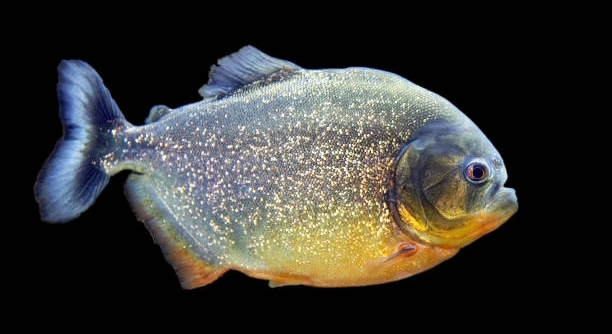
Piranhas often get a bad reputation for being fierce and dangerous fish in popular culture. Many people think of them only as aggressive predators in rivers and lakes. However, these creatures have some traits that are quite impressive and less known.
Piranhas possess several unique characteristics that deserve more recognition, including their complex social behavior, efficient hunting techniques, adaptability to various environments, and even roles in ecosystem balance. These traits highlight their importance beyond just being feared carnivores.
Learning about these lesser-known traits reveals a different side of piranhas that can change how we see them in nature and science.
Social Creatures Beyond the Stereotype
Piranhas are often seen as solitary hunters, but many species actually live in groups called shoals. These groups help protect them from bigger predators and make hunting easier. Living in shoals allows piranhas to communicate and coordinate with each other. This social behavior is important for survival and is more complex than most people realize. By staying together, piranhas can warn each other about danger and share food resources. This teamwork shows they are more than just mindless feeders. Their social skills help balance their environment, keeping both prey and predator populations in check. Scientists continue to study how these interactions affect river ecosystems and what they mean for piranha survival during changes in water levels or food availability.
The social nature of piranhas highlights their intelligence and adaptability. They rely on group living for safety and efficient hunting, making them smarter than often assumed.
Understanding their social behavior gives insight into how piranhas interact with each other and their habitat.
Remarkable Adaptability to Different Environments
Piranhas can live in various freshwater habitats, from fast-flowing rivers to calm lakes and flooded forests. This adaptability helps them survive seasonal changes like droughts or floods. They can tolerate different water temperatures and oxygen levels, adjusting their behavior accordingly. During dry seasons, some species gather in deeper pools where food might be scarce. Their ability to change feeding habits or move to better spots shows a flexible survival strategy. This flexibility is essential in environments that change quickly. Because they can thrive in many places, piranhas play an important role in controlling fish populations and cleaning up dead animals, which keeps water clean.
Their adaptability makes piranhas resilient survivors. This trait ensures they remain an important part of freshwater ecosystems even in challenging conditions.
Piranhas’ flexible nature is a key reason they continue to thrive despite environmental pressures.
Powerful Jaw and Teeth
Piranhas have very strong jaws that can bite with great force. Their sharp teeth are designed to slice through flesh quickly and efficiently. This makes them effective hunters despite their small size.
Their teeth are tightly packed and interlocking, much like a shark’s. This helps piranhas tear apart their prey in seconds. Unlike the common idea that they just shred flesh wildly, piranhas often use precise bites to remove chunks of meat. Their jaw muscles are extremely powerful relative to their body size, enabling them to exert tremendous pressure. This combination of strength and sharpness is key to their success as predators in rivers and lakes.
This biting ability is not only for hunting but also for defense. Piranhas can use their jaws to protect themselves from threats and compete with other fish. Their teeth regularly grow back if broken or lost, keeping them always ready for action.
Role in the Ecosystem
Piranhas help maintain balance by eating weak or dead animals, cleaning the environment. This scavenging reduces disease risk in aquatic habitats. They also control populations of other fish by hunting.
By feeding on sick or injured fish, piranhas prevent overpopulation and support healthier ecosystems. Their presence influences the behavior of prey species, which often avoid areas where piranhas live. This creates a natural balance that supports diverse aquatic life. Furthermore, piranhas are prey themselves for larger animals like caimans and birds, making them an important link in the food chain. Their impact extends beyond being just fierce predators—they play a vital role in keeping freshwater habitats stable and healthy over time.
Sharp Senses
Piranhas have excellent eyesight that helps them spot prey and threats quickly. Their vision works well even in murky water. This allows them to react fast during hunting or danger.
Besides sight, piranhas rely on their sense of smell to detect food from a distance. These senses combined give them an edge in finding meals and avoiding predators in complex river environments.
Efficient Hunters
Piranhas use group tactics when hunting, which increases their success rate. They often circle prey to confuse and corner it. This strategy minimizes energy spent and maximizes their chances of catching food.
Hunting in groups also protects individual piranhas from larger predators. By working together, they share risks and benefits, showing a surprising level of cooperation uncommon in many fish species.
Rapid Regeneration
If a piranha loses a tooth or fin, it can grow back quickly. This helps them stay ready for hunting and defending themselves without long recovery times.
What do piranhas usually eat?
Piranhas primarily eat smaller fish, insects, and crustaceans. While they have a reputation for attacking large animals, their diet mostly consists of whatever is available in their environment. Some species are more scavengers, feeding on dead or injured animals rather than actively hunting live prey. They also consume plant material occasionally. Their feeding habits change depending on the season and availability of food. During dry seasons, when food is scarce, they become more opportunistic and may feed on a wider variety of items, including eggs or even fruits that fall into the water.
Are piranhas dangerous to humans?
Piranhas are generally not a threat to humans. Most attacks happen when people disturb their habitat or accidentally provoke them. These fish tend to avoid humans and prefer to stay hidden. When bites do occur, they are often minor and happen because of splashing or sudden movements near the water. Swimming calmly and respecting their space greatly reduces any risk. It’s important to remember that piranhas are wild animals with natural instincts, so caution is always wise, but they are not the aggressive killers often shown in movies.
How do piranhas communicate?
Piranhas use sounds, body language, and movement to communicate with each other. They produce grunting or clicking noises by rubbing their bones or muscles, especially during fights or mating. These sounds help establish dominance or warn others. Their body posture and fin movements also send signals about aggression or submission. In groups, this communication is essential to maintain social order and coordinate hunting or defense. Understanding this helps reveal how complex their social interactions really are, beyond their fearsome image.
Can piranhas live outside their natural habitat?
Piranhas can survive in aquariums if their environment is carefully maintained. They need clean, warm water with enough space and hiding spots. However, they require a diet similar to their natural one and some social interaction with other piranhas. Keeping them in captivity is challenging because they are sensitive to water quality changes and stress. Also, they are not suitable pets for everyone due to their sharp teeth and aggressive tendencies. It’s best to leave piranhas in the wild or specialized facilities that can meet their needs.
How fast can piranhas bite?
Piranhas can bite incredibly fast, with a jaw closing speed measured in milliseconds. This rapid bite allows them to take chunks of flesh before prey can react. Their jaw muscles contract powerfully and quickly, giving them one of the strongest bites relative to body size in the fish world. This speed is essential during group hunting when timing is critical to capture food efficiently. Their quick bites also help them defend against predators or rivals without wasting energy.
Do piranhas have natural predators?
Yes, piranhas have several natural predators. Larger fish, caimans, river dolphins, and some birds prey on them. These predators help control piranha populations and keep the ecosystem balanced. Piranhas stay alert and use their sharp teeth and group behavior to defend themselves. Their social shoals make it harder for predators to isolate and attack a single individual. This constant pressure from predators influences piranha behavior and habitat choices.
Why do piranhas bite people sometimes?
Piranha bites on people usually happen when the fish feel threatened or when there is blood or sudden movement in the water. During the dry season, when food is limited, bites may increase as piranhas become more aggressive in searching for food. Sometimes people accidentally step on or disturb piranhas, triggering defensive bites. It is rare for these bites to cause serious injury. Avoiding splashing near their habitat and not provoking them helps prevent bites.
How do piranhas reproduce?
Piranhas reproduce by laying eggs during the rainy season when water levels rise. Males create nests by clearing vegetation and then guard the eggs until they hatch. This parental care protects the young from predators. After hatching, baby piranhas stay close to the nest area where they find food and shelter. The rainy season offers plenty of resources, increasing survival chances for the offspring. This breeding strategy helps maintain piranha populations despite environmental challenges.
Can piranhas change color?
Some piranha species can slightly change their color based on mood, stress, or water conditions. These changes are usually subtle, such as becoming darker or lighter. Color shifts help with camouflage or signal aggression during fights. This ability is useful for blending into different environments or communicating with other fish. However, the changes are not as dramatic as those seen in some other fish species.
Are piranhas important to humans?
Piranhas have some value for humans beyond their reputation. In local communities, they serve as a food source and provide income through fishing. Scientists study them to understand predator-prey dynamics and ecosystem health. Their sharp teeth have inspired designs in tools and technology. Additionally, piranhas help keep waterways clean by eating dead animals and controlling fish populations. While often misunderstood, their ecological role benefits both nature and people in subtle ways.
Piranhas often get a bad reputation because of stories and movies that focus on their sharp teeth and quick bites. Many people think of them only as dangerous and aggressive fish. However, there is more to piranhas than just being fierce predators. They have important roles in their environment and show behaviors that are interesting and valuable. Understanding these traits helps us see them as more than just scary animals. They are part of a balanced ecosystem and contribute to the health of freshwater habitats.
One key point is that piranhas are social animals. They live in groups and work together for protection and hunting. This shows they have complex behaviors and communication skills. Their ability to adapt to different environments and change their feeding habits makes them survivors in places where conditions change often. Their powerful jaws and sharp teeth are important for catching food and defending themselves, but they also help clean the environment by eating dead or weak animals. This natural cleaning supports other creatures living in the same waters.
Learning about piranhas’ true nature can help reduce fear and misunderstanding. They are not mindless killers, but animals with unique traits that deserve respect. Their role in the ecosystem shows they are valuable and necessary. By appreciating these facts, we can better protect their habitats and support the balance of river and lake life. Piranhas remind us that nature is often more complex than it seems at first glance. They deserve credit for their special traits that often go unnoticed.

Hello,
If you enjoy the content that we create, please consider saying a "Thank You!" by leaving a tip.
Every little bit helps us continue crafting quality advice that supports the health, happiness, and well-being of pets around the world, for pets of all shapes, sizes, and species.
We really appreciate the kindness and support that you show us!