
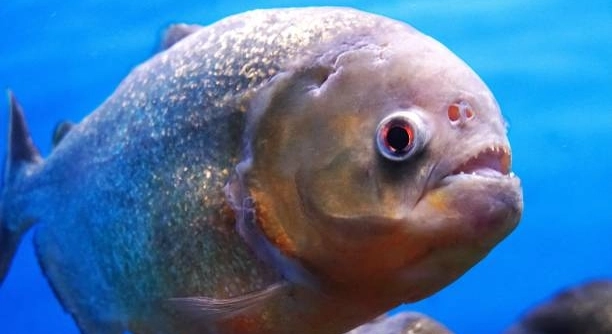
Piranhas are often seen as fierce predators, but there is much more to understand about these fish beyond their sharp teeth and reputation. Their behavior, habitat, and feeding habits reveal a complex and fascinating aquatic life. Learning about piranhas can change common perceptions.
Piranhas are freshwater fish known for their sharp teeth and group hunting strategies. They primarily inhabit South American rivers and exhibit behaviors influenced by environmental conditions and social interactions, which together shape their feeding patterns and survival mechanisms.
These seven observations provide insight into piranhas’ nature, helping to separate fact from myth. Understanding these details will give a clearer picture of how piranhas live and interact in their natural environment.
Piranhas’ Teeth Are Sharp but Not Always Dangerous
Piranhas are famous for their razor-sharp teeth, which they use to tear through food quickly. Their teeth are tightly packed and continuously replaced, allowing them to stay effective hunters. Despite this, piranhas do not always attack large animals or humans. Most species prefer smaller prey such as insects, fish, and plant matter. They often hunt in groups, which makes their feeding more efficient but also less random. Their teeth are mainly designed to crush and shred rather than bite aggressively all the time. This adaptation helps them survive in environments where food can be scarce. Observing piranha behavior shows they are more cautious than the aggressive image suggests. They use their teeth mostly to defend themselves or to eat, not to attack anything that moves. This means piranhas are opportunistic feeders and tend to avoid unnecessary conflict.
Piranha teeth are tools for feeding, not constant weapons. They maintain their sharpness through natural replacement.
Piranhas’ sharp teeth play a vital role in their diet and survival. Their group hunting allows them to efficiently consume prey while reducing the need for dangerous fights. This teamwork combined with their strong jaws helps piranhas thrive in fast-moving rivers and dense aquatic habitats. Their teeth are a natural part of their survival strategy, not just a symbol of danger. Understanding how piranhas use their teeth clarifies why they are not as fearsome as often believed. They are balanced hunters shaped by their environment and food sources, adapting to both hunting and defense. This practical use of teeth ensures they can feed on a variety of prey while protecting themselves from predators.
Piranhas Live in Groups for Protection and Efficiency
Piranhas usually swim in schools, which helps protect individuals from predators and makes hunting more effective. Group living reduces the chance of any single fish being targeted and allows them to share information about food sources.
Schooling offers both safety and better hunting. Piranhas rely on numbers to survive and feed more efficiently.
Living in groups gives piranhas a clear advantage. In a school, they can quickly overwhelm prey that would be difficult to catch alone. This group behavior also deters larger predators, as a single piranha is vulnerable but many together are intimidating. Schooling supports social interactions, communication, and coordinated movement. It helps piranhas manage threats and access food while minimizing energy use. This social structure also plays a role in breeding and caring for offspring. Without the benefits of schooling, piranhas would struggle more in their competitive aquatic environments. Group living is essential for their survival, making it one of the key reasons they thrive in South American rivers and floodplains.
Piranhas Are Omnivores, Not Just Meat Eaters
Piranhas eat both plants and animals, making them omnivores. Their diet varies depending on availability and season, allowing them to adapt easily in changing environments.
Besides fish and insects, piranhas consume fruits, seeds, and aquatic plants. This varied diet helps them survive when meat is scarce. In the rainy season, more plant matter enters the water, increasing their plant intake. Omnivory gives piranhas flexibility, supporting their survival across different river systems. They can shift their feeding habits based on what is available, which reduces competition and helps maintain ecosystem balance. This adaptability challenges the common view of piranhas as purely carnivorous predators.
Piranhas also scavenge on dead animals, showing opportunistic behavior. They take advantage of all food sources, maximizing their chances of survival. Their teeth aid in processing both tough plant material and flesh. This diverse diet contributes to their ecological role in their habitat.
Piranhas Have Different Species with Varied Behavior
Not all piranhas behave the same way. There are over 30 species, each with unique feeding habits and social behaviors. Some species are more aggressive, while others are peaceful and shy.
Species differences affect where piranhas live and how they hunt. For example, red-bellied piranhas are known for group hunting, but some species prefer solitary life. These behavioral variations influence their interaction with other fish and their role in the ecosystem. Understanding species diversity helps explain why piranhas have such a mixed reputation. Many dangerous stories come from just a few aggressive species, while others rarely pose any threat. This variety shows how piranhas have adapted to different niches in South American rivers and floodplains.
Piranhas Use Sound to Communicate
Piranhas produce sounds to communicate with each other. These noises help warn others or establish dominance within the group.
Sounds are important during feeding and mating. They use body movements to create clicks or grunts, which signal different messages to nearby fish.
Piranhas Can Adapt to Different Water Conditions
Piranhas survive in various water types, from clear rivers to murky floodplains. Their adaptability allows them to thrive in changing environments, including areas with fluctuating oxygen levels or water temperatures.
This flexibility helps maintain their populations despite seasonal changes and environmental challenges.
Piranhas Are Important to Their Ecosystems
Piranhas control populations of smaller fish and insects. They help keep aquatic ecosystems balanced by preventing any one species from becoming too dominant.
Their feeding habits support nutrient recycling and maintain the health of their habitats.
FAQ
Are piranhas really dangerous to humans?
Piranhas are often seen as threats, but attacks on humans are rare. Most species avoid people and only bite when threatened or provoked. When they do bite, it is usually a defensive action rather than a predatory one. In general, piranhas prefer smaller prey and scavenging over attacking large animals.
What do piranhas eat in the wild?
Piranhas have an omnivorous diet, eating fish, insects, plants, fruits, and sometimes carrion. Their diet changes depending on food availability and season. This flexibility allows them to survive in various habitats and adjust their feeding habits as needed.
How do piranhas hunt?
Piranhas often hunt in groups, using numbers to overwhelm prey. Group hunting increases their efficiency, especially when catching fish or tearing apart larger food sources. Some species are more solitary and rely on ambush tactics rather than coordinated attacks.
Do piranhas live in freshwater only?
Yes, piranhas are freshwater fish found mostly in South American rivers, lakes, and floodplains. They thrive in environments like the Amazon, Orinoco, and other river systems with varying water conditions.
Can piranhas survive in low-oxygen water?
Piranhas can adapt to low oxygen levels better than many other fish. They survive in murky, slow-moving water by adjusting their metabolism and behavior, which helps them tolerate seasonal changes in their habitats.
Why do piranhas bite so hard?
Piranhas have powerful jaws and sharp teeth designed to tear through flesh and tough plant material quickly. Their bite strength supports feeding efficiency, allowing them to process food rapidly and defend themselves if needed.
Are all piranhas aggressive?
No, aggression varies by species and situation. Some species are shy and avoid confrontation, while others are more territorial or defensive. Aggressive behavior is usually linked to feeding or protecting their young.
How do piranhas reproduce?
Piranhas lay eggs in nests made in shallow waters, often guarded by the male. After hatching, the young stay near the parents for some time for protection. Breeding usually happens during the rainy season when food is abundant.
Can piranhas be kept as pets?
Piranhas are sometimes kept in aquariums, but they require specific care, including proper tank size, water quality, and diet. They can be aggressive toward other fish, so careful management is necessary.
What role do piranhas play in their ecosystem?
Piranhas help control populations of smaller fish and insects, maintaining balance in aquatic ecosystems. Their scavenging contributes to nutrient recycling, which supports overall river and lake health.
Do piranhas migrate?
Some piranha species move seasonally to find food or breeding grounds. Migration patterns depend on water levels and environmental conditions, helping them access better resources throughout the year.
How fast do piranhas grow?
Growth rates vary by species and environment. Generally, piranhas grow quickly in their first year, reaching maturity in about one to two years. Adequate food and water conditions influence their development speed.
Are piranhas endangered?
Most piranha species are not endangered and maintain stable populations. However, habitat destruction and pollution could threaten certain local populations, emphasizing the need for conservation efforts in some areas.
How do piranhas protect themselves from predators?
Piranhas rely on schooling behavior, sharp teeth, and quick reflexes to avoid predators. Their group swimming confuses attackers, while their teeth serve as a deterrent against threats.
Can piranhas survive out of water?
Piranhas cannot survive long out of water. They need aquatic environments to breathe through their gills. Leaving water for too long causes stress and eventually death.
This FAQ covers key facts and common concerns about piranhas, providing a clearer picture of these often misunderstood fish.
Final Thoughts
Piranhas are often misunderstood creatures. Their reputation as aggressive killers is largely exaggerated and shaped by stories and movies. In reality, most piranha species are not dangerous to humans and tend to avoid confrontation. Their behaviors are much more complex and varied than commonly believed. Piranhas have adapted well to their environments, using their ability to eat both plants and animals to survive in different water conditions. This flexibility is one reason why they continue to thrive in the rivers and lakes of South America.
Understanding piranhas requires recognizing their role in the ecosystem. They are important for keeping the balance in aquatic habitats by controlling populations of smaller fish and insects. Their scavenging behavior helps recycle nutrients, supporting the health of the water system. While they have strong teeth and powerful bites, these features are mainly tools for feeding and defense rather than aggression. Recognizing this helps reduce the fear surrounding these fish and allows for a more accurate view of their behavior and importance.
Learning about piranhas’ different species and behaviors shows how varied their lives are. Some are social hunters, others are shy and solitary. They communicate with sounds, adapt to changing water environments, and have specific breeding habits that ensure their survival. This diversity highlights their ability to thrive in complex river systems. Overall, piranhas are fascinating fish with many roles in their habitats, deserving respect rather than fear. Understanding them better helps appreciate the balance they bring to aquatic life.

Hello,
If you enjoy the content that we create, please consider saying a "Thank You!" by leaving a tip.
Every little bit helps us continue crafting quality advice that supports the health, happiness, and well-being of pets around the world, for pets of all shapes, sizes, and species.
We really appreciate the kindness and support that you show us!