
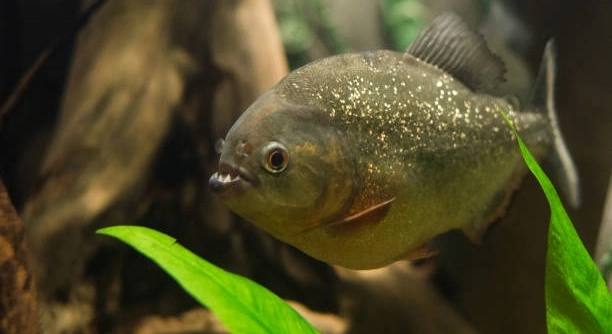
Piranhas respond to changes in their water environment more than many realize. Adjusting water flow can influence their behavior, activity, and well-being. Understanding these effects helps maintain a healthy habitat for these fish.
Water flow impacts piranhas by affecting oxygen levels, waste removal, and stimulation. Controlled currents encourage natural behavior, reduce stress, and improve health. Proper water movement mimics their natural environment and supports their physiological needs efficiently.
These water flow tricks offer practical ways to enhance piranha care and create a balanced aquarium environment.
Understanding Water Flow Impact on Piranha Behavior
Water flow in a piranha tank plays a critical role in their daily activity and comfort. When water moves steadily, it helps distribute oxygen evenly, which is essential for their breathing. It also aids in removing waste products, keeping the environment cleaner and healthier. Piranhas naturally live in rivers with moderate currents, so replicating this flow can reduce their stress levels. If the water is too still, waste can settle, causing poor water quality and health problems. Conversely, strong currents might tire the fish or prevent them from swimming comfortably. Balancing the flow encourages natural swimming patterns and interaction with their surroundings. Proper water circulation also keeps the tank temperature uniform, which is important for maintaining their metabolism and immune system. Adjusting pumps or filters to create the right flow can improve your piranhas’ overall well-being and behavior.
The right water flow creates a healthier, more natural habitat for piranhas. It encourages movement and supports their physical and mental health effectively.
Balancing water flow requires attention to tank size and equipment placement. Using adjustable pumps or powerheads allows control over current strength. Placing decorations or plants can break up flow to create calm spots, mimicking their natural habitat. Regular testing of water quality helps ensure waste is removed efficiently. By observing your piranhas, you can notice if they avoid strong currents or seem sluggish in stagnant areas. Adjust flow accordingly to keep them active and healthy. A properly maintained environment reduces disease risk and improves fish longevity.
Flow Patterns That Stimulate Piranha Activity
Flow patterns influence how piranhas interact with their environment.
Introducing varied currents can simulate natural river conditions and encourage exploration. Alternating gentle and moderate flows reduce boredom and stress. This approach promotes healthy exercise and natural behaviors like hunting and schooling. Consistent but varied water movement improves oxygen exchange and waste dispersal. It also allows piranhas to choose their preferred swimming zones. In the wild, they seek areas with optimal flow for feeding and shelter. Mimicking these conditions supports their physical health and mental stimulation. Setting up equipment to create pulses or directional changes in flow helps replicate these patterns. Observing their reactions to these changes helps refine the setup. This attention to detail improves the overall aquarium environment, making it more dynamic and suitable for piranhas’ needs.
Proper flow pattern management strengthens piranha vitality and encourages natural behavior.
Adjusting Flow Speed for Piranhas
Piranhas prefer moderate water flow. Too fast or too slow can cause stress or inactivity.
Adjusting the flow speed helps simulate their natural river environments. Moderate currents improve oxygen levels and encourage swimming, which keeps the fish healthy. Strong currents can exhaust piranhas, making them less active, while very slow flow reduces oxygen circulation and allows waste to accumulate. Using adjustable pumps or valves makes it easier to find the right balance. Observing piranha behavior during flow changes helps determine the optimal speed. This balance supports their natural movement patterns and prevents health issues caused by improper water flow.
Moderate flow also helps maintain water clarity by preventing debris buildup. Regularly testing flow speed ensures the environment stays suitable for your piranhas.
Using Flow Direction to Create Zones
Flow direction influences piranha behavior and tank dynamics.
Creating different flow zones offers resting areas and active swimming spaces. Positioning pumps to generate currents in one section while leaving calm spots elsewhere mimics river habitats. Piranhas use slower zones to rest and faster currents for exercise or feeding. This variety reduces stress by allowing them to choose comfortable areas. Dividers, plants, or rocks help break flow and shape these zones. Flow direction adjustments also improve filtration efficiency by directing debris toward intake points. This method optimizes tank cleanliness while supporting natural fish behavior. A well-planned flow pattern enhances both health and activity.
Creating Gentle Flow for Fry and Juveniles
Young piranhas need gentler water flow. Strong currents can overwhelm them and hinder growth.
Providing areas with soft, slow-moving water protects fry while allowing them to swim and develop naturally. This setup supports healthy growth and reduces stress during early life stages.
Positioning Filters for Optimal Circulation
Correct filter placement improves water movement and quality. Placing filters near the tank’s back or corners encourages steady circulation without creating strong currents in the main swimming area. This setup keeps water clean and oxygenated while offering calm zones. Adjusting filter output helps balance flow strength. Proper positioning reduces dead spots where waste might accumulate. It also prevents excessive turbulence that can stress piranhas. Regular filter maintenance ensures consistent performance. A well-positioned filter supports both water quality and comfortable swimming conditions for piranhas at all life stages.
Using Plants to Influence Flow
Plants slow down water flow and create natural barriers.
FAQ
How does water flow affect piranha health?
Water flow directly impacts oxygen levels and waste removal, both vital for piranha health. Proper circulation prevents buildup of harmful toxins and ensures fresh, oxygen-rich water reaches all areas of the tank. Insufficient flow can lead to poor water quality, causing stress and illness. On the other hand, overly strong currents may tire piranhas, affecting their immune response and behavior negatively. Maintaining balanced flow supports their physical condition and helps prevent diseases related to poor water environments.
What flow speed is ideal for piranhas?
Piranhas thrive in moderate flow speeds that mimic their natural river habitats. The ideal flow should be strong enough to distribute oxygen evenly and remove waste but gentle enough to allow comfortable swimming. Flow that is too fast can exhaust the fish, while very slow movement can cause stagnation and poor water quality. Adjustable pumps or powerheads are useful for fine-tuning flow speed based on tank size and fish behavior.
Can flow patterns influence piranha aggression?
Yes, flow patterns can impact piranha aggression. Steady and consistent currents help reduce stress, which lowers aggression levels. Varied flow patterns provide stimulation and prevent boredom, promoting natural behavior. However, turbulent or overly strong flow might cause irritation, leading to increased territorial disputes. Creating zones with calm and moderate currents allows piranhas to find their preferred spaces, reducing conflicts.
How can I create flow zones in a tank?
Flow zones are created by positioning pumps, filters, and decorations strategically. Place pumps to generate currents in specific areas while using plants, rocks, or tank dividers to block or slow water movement elsewhere. This creates a mix of active swimming zones and calm resting spots, similar to river environments. Different flow zones allow piranhas to regulate their activity and reduce stress.
Are there special flow considerations for piranha fry?
Yes, fry require gentler flow than adults. Strong currents can overwhelm and exhaust young piranhas, hindering their development. Soft, slow-moving water zones help fry swim naturally without strain and provide safe areas to hide. These conditions promote healthy growth and reduce mortality rates. Using flow reducers or creating sheltered areas with plants or decorations supports fry well-being.
Does filter placement affect water flow?
Filter placement greatly affects flow distribution. Positioning filters near the tank’s corners or back promotes steady, even circulation while minimizing strong currents in central swimming areas. Proper placement prevents dead spots where waste accumulates and reduces turbulence that can stress fish. Regularly adjusting filter output helps maintain the right flow balance for piranha comfort.
How do plants influence water flow?
Plants act as natural barriers that slow down water flow and create calm zones. They help break up currents and reduce turbulence, offering resting places for piranhas. Dense planting near pump outlets or filter intakes can soften strong flows. Additionally, plants improve water quality by absorbing nutrients and providing oxygen. Using plants strategically improves flow patterns and overall tank health.
Can improper water flow cause health problems in piranhas?
Improper flow can lead to health issues such as stress, weakened immune systems, and increased susceptibility to infections. Poor circulation allows waste and toxins to build up, leading to poor water quality. Excessive flow may cause exhaustion or injury. Balanced water flow supports immune function, reduces stress, and promotes natural behavior, all crucial for piranha health.
How often should I check and adjust water flow?
Regular monitoring is essential. Check water flow weekly, especially after maintenance or equipment changes. Observe fish behavior for signs of stress or discomfort. Adjust flow speed or direction as needed using adjustable pumps or repositioning equipment. Consistent attention ensures flow remains suitable for piranhas throughout their life stages and changing tank conditions.
What equipment helps control water flow in piranha tanks?
Adjustable pumps, powerheads, and filter output controls are key tools. Valves and flow regulators allow fine-tuning of current strength and direction. Flow diffusers or spray bars help distribute water evenly, reducing strong jets. Using these devices strategically enables precise control over water movement, creating an environment that meets piranhas’ needs for oxygenation, waste removal, and comfort.
Final Thoughts
Water flow plays a crucial role in maintaining a healthy environment for piranhas. Proper circulation helps keep water clean, oxygen-rich, and free from harmful buildup. Without adequate flow, toxins can accumulate, causing stress and illness in the fish. It is important to find the right balance that matches the natural conditions where piranhas live. This means providing enough current to move water efficiently but not so much that it exhausts or agitates the fish. Paying close attention to water flow improves the overall well-being of piranhas and supports their natural behavior.
Creating different flow zones within the tank is an effective way to mimic river habitats and give piranhas spaces for rest and activity. Using pumps, filters, and plants strategically allows for calm areas as well as stronger currents. These zones give piranhas options, which reduces stress and aggression by allowing them to choose where they feel most comfortable. For fry and juvenile piranhas, gentler flows are essential to protect their development and keep them safe. Adjusting flow speed and direction based on the size and behavior of your fish is key to creating a balanced environment.
Regular monitoring and maintenance of water flow are necessary for long-term success. Flow rates may need adjustment over time due to changes in tank size, fish growth, or equipment performance. Observing how piranhas respond to flow helps identify when changes are needed. Equipment like adjustable pumps and filters with variable output provides flexibility for fine-tuning water movement. Maintaining proper water flow supports piranha health, reduces stress, and promotes natural swimming and feeding behaviors. This attention to detail is important for anyone caring for these fish to ensure a stable, thriving aquarium environment.

Hello,
If you enjoy the content that we create, please consider saying a "Thank You!" by leaving a tip.
Every little bit helps us continue crafting quality advice that supports the health, happiness, and well-being of pets around the world, for pets of all shapes, sizes, and species.
We really appreciate the kindness and support that you show us!