
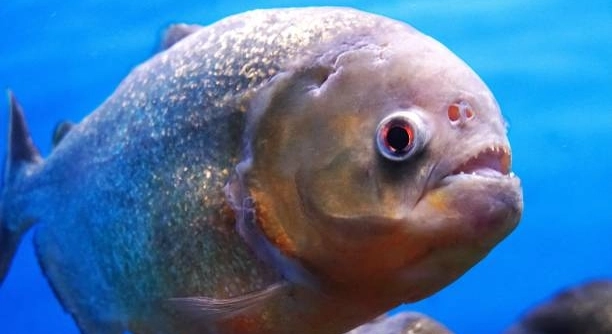
Piranhas are known for their sharp teeth and fierce behavior, but their habits change throughout the year. These changes help them survive in different seasons and adapt to their environment. Understanding these patterns reveals a lot about their behavior.
Piranhas adjust their feeding, movement, and social behavior as seasons shift. They become more active during warm months, increase hunting when food is abundant, and slow down in colder times to conserve energy and protect themselves.
Learning about these seasonal habits can give a clearer picture of how piranhas live and thrive in their natural habitats all year round.
Seasonal Feeding Changes
Piranhas eat differently depending on the season. During the rainy season, water levels rise, making food more available. They feed on a variety of prey like insects, fish, and plants. In this time, piranhas eat more often and in larger amounts to build energy reserves. When the dry season arrives, water shrinks and food becomes scarce. Piranhas reduce their feeding and focus on smaller meals or whatever they can find nearby. This helps them survive the tougher months. Their sharp teeth and quick hunting skills make them efficient predators in both seasons. Changes in feeding also affect how they interact with other piranhas. When food is abundant, they tend to be more social, hunting in groups. In scarce times, they become more territorial, protecting limited resources carefully.
Feeding habits are a key way piranhas adapt to seasonal changes.
Understanding how piranhas manage their diet helps explain their survival strategies in fluctuating environments.
Movement Patterns Throughout the Year
Piranhas move less during colder months to save energy. When temperatures drop, their metabolism slows, and they seek shelter in deeper or shaded waters. This behavior helps them avoid predators and harsh conditions. Warmer months bring more movement as they search for food and mates. During these times, piranhas are more active and spread out in different areas. Movement also depends on water levels; high water encourages wider roaming, while low water keeps them confined. Seasonal changes in movement are essential for reproduction and finding food. By adjusting how much they move, piranhas conserve energy when needed and make the most of good conditions when possible. These shifts help them stay healthy and reproduce successfully.
Tracking these movement changes can reveal much about their seasonal lifestyle and behavior.
Social Behavior Changes
Piranhas show different social habits depending on the season. They group together more in some months and spread out in others. This helps them survive and reproduce.
During the rainy season, piranhas often form larger groups or schools. These groups provide safety and increase hunting success. Working together helps them catch more prey and protect against predators. In contrast, during the dry season, piranhas tend to become more solitary or form smaller groups. Food is scarcer, so they compete less and reduce conflicts by spreading out. Social behavior shifts are a way to balance the need for safety with limited resources. Grouping helps when food is plentiful, while solitude reduces competition when food is low.
These social adjustments also affect breeding. When grouped, piranhas find mates more easily, but in the dry season, they conserve energy by staying apart.
Reproductive Habits
Piranhas time their breeding with seasonal changes to improve survival chances. Reproduction mainly occurs during the rainy season when water is abundant and food is plentiful. This period provides ideal conditions for laying eggs and raising young. Males build nests in shallow waters and guard the eggs until they hatch. Females lay hundreds of eggs to increase the chance that some will survive despite predators. Outside the rainy season, reproductive activity slows or stops. Lower water levels and fewer resources make raising young difficult. This seasonal timing ensures the young have the best environment to grow.
The rainy season’s conditions support the growth of piranha offspring, making it the key reproductive period. Seasonal changes in temperature and water levels directly impact when and how piranhas reproduce.
Territory Shifts
Piranhas change their territory size based on the season. In the rainy season, they spread out more due to increased water and food. During the dry season, territories shrink as resources become limited, causing piranhas to defend smaller areas more aggressively.
Smaller territories mean more competition during dry months. Piranhas become more territorial and protect their space to secure food and shelter.
Changes in Breathing Activity
Piranhas adjust their breathing rates to match water temperature. In warmer months, their metabolism speeds up, so they breathe faster to get more oxygen. Colder months slow their metabolism, reducing their need for oxygen and leading to slower breathing.
Seasonal Camouflage
Piranhas subtly change their colors with the seasons. In the rainy season, their scales often become brighter, helping them blend with the vibrant environment. In dry seasons, their colors darken to match murkier waters, improving their ability to hide from predators and prey alike.
FAQ
Why do piranhas change their feeding habits with the seasons?
Piranhas adjust their feeding because food availability changes throughout the year. In the rainy season, flooded waters bring more prey and plants, so piranhas eat more often and larger meals. During the dry season, food is scarce, so they eat less and focus on smaller prey or leftovers. This change helps them survive when resources are limited.
How do piranhas’ movement patterns help them survive seasonal changes?
Their movement changes to save energy or find food. When the water is cold or low, piranhas move less to conserve energy. In warm and flooded months, they travel more widely to hunt and find mates. This balance helps them stay safe and healthy during tough times.
What causes piranhas to group together or stay apart seasonally?
Piranhas group together more when food is easy to find, like during the rainy season. Group hunting improves their chances of catching prey and offers protection from predators. In the dry season, food is limited, so they become more solitary to avoid competition and reduce conflicts over scarce resources.
When do piranhas reproduce, and why?
They mostly reproduce during the rainy season because water levels are higher and food is plentiful. These conditions help eggs and young fish survive. Males build nests and guard the eggs, increasing the chance of young surviving. Outside this season, reproduction slows due to harsher conditions.
How do piranhas defend their territory during scarce months?
In dry months, territories become smaller and more valuable because of limited food and space. Piranhas become more aggressive to protect their area from others. This behavior helps ensure they have enough resources to survive until conditions improve.
Do piranhas change their appearance throughout the year?
Yes, piranhas adjust their colors slightly with the seasons. Brighter colors during the rainy season help them blend into lush, clear waters, while darker colors in dry months help them stay hidden in murkier, low-water environments. This camouflage aids in hunting and avoiding predators.
How does water temperature affect piranhas’ breathing?
Water temperature affects metabolism and breathing rates. Warm water speeds up their metabolism, so they breathe faster to meet oxygen needs. Cold water slows metabolism, and they breathe slower to conserve energy. This adjustment helps them survive varying seasonal temperatures.
Are piranhas more dangerous during any specific season?
Piranhas can seem more aggressive during the dry season because of limited food and smaller territories. They defend their space more fiercely and compete for scarce resources. However, their danger level depends mostly on environmental stress, not just the season itself.
How do seasonal changes affect piranha behavior in captivity?
In captivity, piranhas may still show seasonal behaviors if environmental cues like water temperature and lighting change. Their feeding, movement, and social habits can adjust similarly to wild piranhas. Providing a stable environment reduces stress and helps maintain healthy habits year-round.
Can understanding seasonal habits help in piranha conservation?
Yes, knowing how piranhas adapt to seasons can guide conservation efforts. Protecting their natural habitats during key times like breeding season or dry months supports population health. It also helps manage human impact by avoiding disturbances when piranhas are most vulnerable.
Piranhas are often seen as fierce and dangerous fish, but their behavior changes a lot with the seasons. These changes are important for their survival. By adjusting how they eat, move, and interact, piranhas manage to live through the ups and downs of their environment. During the rainy season, when water and food are plentiful, they become more active, social, and focused on reproduction. In the dry season, when resources shrink, they slow down, become more territorial, and conserve energy. This natural rhythm helps them adapt to the challenges of their habitat.
Seasonal changes also affect how piranhas protect themselves and their young. For example, during breeding season, males guard nests carefully to ensure the eggs hatch safely. They build nests in shallow water when conditions are best for young fish to grow. When the water level drops, piranhas focus more on finding enough food and defending their territory. Their colors even change slightly to match the environment, helping them stay hidden from predators. These behaviors show how well piranhas adjust to their surroundings, making the most of good times and surviving difficult ones.
Understanding these habits can give a clearer picture of piranhas beyond their reputation. They are not just aggressive hunters; they are fish with patterns that help them thrive. Observing their seasonal behavior can help in caring for them in captivity or protecting them in the wild. Knowing when they breed, how they hunt, and how they interact can support efforts to keep their populations healthy. These fish are a good example of how animals use seasonal changes to live better and stay strong throughout the year.

Hello,
If you enjoy the content that we create, please consider saying a "Thank You!" by leaving a tip.
Every little bit helps us continue crafting quality advice that supports the health, happiness, and well-being of pets around the world, for pets of all shapes, sizes, and species.
We really appreciate the kindness and support that you show us!