
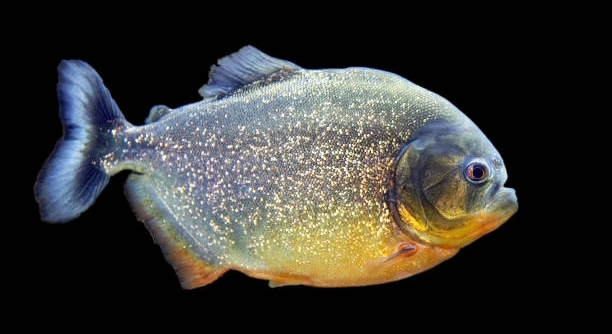
Are you keeping an eye on your tank but unsure if it’s truly healthy? Many hobbyists want simple ways to tell if their aquatic environment is thriving. Observing quick, clear signs can save time and worry.
Seven quick visual indicators can reliably show if a tank is healthy. These include clear water, active fish behavior, proper plant growth, absence of algae overgrowth, stable water levels, clean substrate, and functioning equipment. Together, they create a balanced ecosystem.
Knowing these signs will help you maintain a stable and happy tank for your aquatic life, making care easier and more effective.
Clear Water and Its Importance
Clear water is the foundation of a healthy tank. When water is clear, it usually means the filtration system is working well and the environment is balanced. Cloudy or murky water can indicate excess waste, uneaten food, or an imbalance in bacteria. Maintaining clear water helps fish breathe and reduces stress. You can keep water clear by performing regular water changes and avoiding overfeeding. Using a good quality filter that matches your tank size also plays a key role. Additionally, testing water parameters like ammonia, nitrite, and nitrate levels can help you catch problems early before they affect your tank’s clarity. Clear water is not just about appearance; it directly impacts the health of plants, fish, and other creatures living inside. Keeping the water clear is a simple way to know your tank is in good shape.
Clear water helps fish stay healthy and reduces harmful bacteria growth. It’s an easy visual sign to check daily.
Regular maintenance, like water changes and filter cleaning, supports water clarity. Keeping water clear also ensures oxygen levels stay optimal, making the tank safe for all inhabitants.
Active Fish Behavior
Healthy fish move naturally and respond to their environment. They swim around freely and show curiosity toward their surroundings. When fish hide all the time or stay still at the bottom, it can be a sign of stress or illness. Active fish usually have good appetite and clear eyes without cloudiness or spots. Watching how fish interact with each other can also reveal tank health. Aggressive or lethargic behavior might point to water quality issues or overcrowding. Proper tank size, water temperature, and compatible species are important to keep fish active and happy. If fish are lively and feed well, it’s a good indication the tank environment supports their needs. Observing fish daily helps catch problems before they become serious, keeping your tank balanced and safe.
Proper Plant Growth
Healthy plants in a tank grow steadily with vibrant green leaves. They should not look wilted, yellow, or covered in algae. Plants that grow well help keep the tank balanced by absorbing nutrients and producing oxygen.
Plants need proper lighting and nutrients to thrive. Too much light can cause algae, while too little slows growth. Adding fertilizers or root tabs can support plant health. Regular trimming prevents overcrowding and keeps plants looking fresh. Healthy plants also provide shelter and natural filtration for fish, improving the overall environment.
Maintaining good plant growth creates a natural feel in the tank. It stabilizes water quality by reducing nitrates and absorbing carbon dioxide. Watching your plants flourish is a strong sign the tank conditions are right for all living things inside.
Absence of Algae Overgrowth
Algae are normal in tanks but too much can harm the environment. A healthy tank has only a thin, manageable layer of algae. Excessive algae can cloud the water and compete with plants for nutrients.
Balanced lighting and regular cleaning help control algae growth. Overfeeding fish and poor water quality encourage algae blooms. Algae eaters like snails or certain fish can assist in keeping algae in check. Monitoring nutrient levels and maintaining a consistent cleaning schedule reduce algae buildup. Controlling algae supports clear water and healthy plants, preventing toxic conditions for fish. Managing algae is key to a balanced tank ecosystem.
Stable Water Levels
Stable water levels prevent stress for fish and keep filtration systems working properly. Sudden drops or rises can harm tank inhabitants and upset the balance.
Regularly topping off evaporated water with fresh, dechlorinated water helps maintain stable levels. Avoid large water changes that shock the system.
Clean Substrate
A clean substrate prevents buildup of waste and harmful bacteria. Regular vacuuming removes debris that could affect water quality.
Neglecting substrate cleaning can lead to poor water conditions and unhealthy fish. Keeping it clean supports a healthier tank environment.
Functioning Equipment
Filters, heaters, and lights must work properly to maintain tank health. Malfunctioning equipment can cause dangerous fluctuations in water conditions.
Checking and maintaining equipment regularly ensures the tank remains stable and safe for all its inhabitants.
FAQ
How often should I check my tank for these health signs?
It’s best to observe your tank daily, even if just for a few minutes. Checking the water clarity, fish behavior, plant health, and algae growth regularly helps catch problems early. Weekly, test water parameters like ammonia, nitrites, and nitrates to ensure stability. Keeping a simple routine makes maintenance easier and your tank healthier.
What if my fish aren’t very active?
Inactive fish can mean several things: stress, illness, or poor water quality. First, check water parameters to ensure they are within safe ranges. Look for signs like clamped fins, discoloration, or unusual spots. Sometimes fish rest more during certain times, but persistent inactivity usually signals a problem. Adjust temperature, feeding, or tank conditions as needed.
Can I rely on plants alone to keep my tank healthy?
Plants help by absorbing nutrients and producing oxygen, but they can’t do all the work. Proper filtration, regular water changes, and managing fish waste are essential. Plants are a natural aid, but balanced tank care depends on multiple factors working together.
What causes algae to grow too fast?
Excess light, too many nutrients, and overfeeding often lead to rapid algae growth. Poor water circulation or dirty filters can also contribute. Limiting light hours to 6-8 per day, controlling feeding amounts, and cleaning the tank regularly helps keep algae under control.
How do I maintain stable water levels?
Water evaporates naturally, so topping off with clean, dechlorinated water is necessary. Avoid changing large volumes at once; small, frequent additions work best. Using a lid can reduce evaporation but remember to check water levels regularly.
What is the best way to clean the substrate?
Use a gravel vacuum during water changes to remove debris without disturbing beneficial bacteria too much. Cleaning once every two weeks is usually enough. Avoid stirring up the substrate too often as it can release harmful waste back into the water.
How often should I check my equipment?
Inspect filters, heaters, and lights at least once a week. Clean filter media as recommended by the manufacturer, and ensure heaters keep a steady temperature. Replace faulty parts promptly to prevent sudden changes in tank conditions.
Can poor water quality cause fish to hide?
Yes, fish hiding often indicates stress caused by poor water conditions or unsuitable tank mates. Checking water parameters and ensuring enough hiding spots can help fish feel secure and reduce stress.
Is clear water always safe water?
Clear water looks good but isn’t always safe. Harmful chemicals or imbalanced parameters might still be present. Testing water regularly ensures it’s safe, even if it appears clean.
How do I know if my tank plants are healthy?
Healthy plants have strong green leaves, grow steadily, and don’t show signs of decay or discoloration. Wilted, yellow, or slimy leaves suggest problems like poor lighting, nutrient deficiency, or algae. Regular trimming and proper care keep plants thriving.
Final thoughts on keeping a tank healthy come down to paying attention to simple but important details. A tank’s health depends on many small factors working together. Clear water, active fish, growing plants, and controlled algae all show that the tank is balanced. It’s not about doing something complicated every day but about building good habits. Checking the tank regularly helps catch problems early before they become serious. This saves time and stress later on.
Maintaining a tank is about consistency. Small tasks like topping off water, cleaning the substrate, and watching fish behavior may seem simple, but they add up to a healthy environment. Using proper equipment and keeping it working well is also important. Filters and heaters need regular care to keep water conditions stable. Plants need enough light and nutrients but not too much, and algae should be kept under control. These factors all support one another. When one part of the tank is off, it affects the whole ecosystem. By keeping an eye on each element, you help your aquatic life thrive.
In the end, a healthy tank is about balance and attention. Each visual sign you watch for is a clue about the overall health of your aquarium. Trusting your observations and acting quickly when something feels off will keep the tank in good shape. Enjoy the process of caring for your tank and learning what works best for your setup. With patience and simple care, your tank can stay healthy and provide a beautiful, peaceful environment for your fish and plants.

Hello,
If you enjoy the content that we create, please consider saying a "Thank You!" by leaving a tip.
Every little bit helps us continue crafting quality advice that supports the health, happiness, and well-being of pets around the world, for pets of all shapes, sizes, and species.
We really appreciate the kindness and support that you show us!