
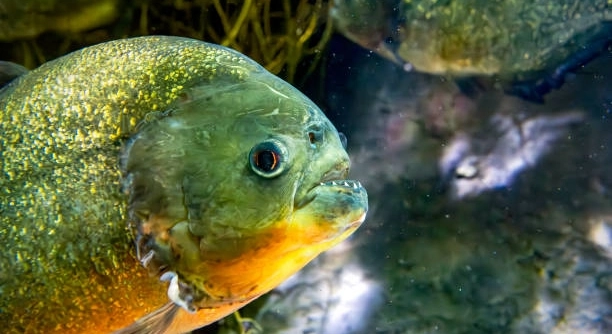
Piranhas are known for swimming in groups, often moving together in tight schools. This behavior helps them survive in their natural environments. Understanding why they gather can reveal interesting facts about these unique fish.
Piranhas school together mainly due to safety, hunting efficiency, environmental conditions, and social behaviors. Grouping reduces the risk of predators, improves chances of catching prey, and helps them navigate changes in water and temperature.
Learning what encourages piranhas to form schools sheds light on their habits and how they interact with their surroundings. This knowledge helps us appreciate their behavior beyond just their fierce reputation.
Safety in Numbers
Piranhas often swim in schools because it helps protect them from predators. When they group together, it becomes harder for a larger animal to single out one fish to attack. This safety strategy increases each fish’s chance of survival. The school moves as one, confusing predators and making quick escapes easier. Young piranhas especially rely on this protection since they are more vulnerable. The dense group acts like a shield, with many eyes watching for danger. In addition to confusing enemies, schooling allows piranhas to detect threats faster. If one senses danger, the entire group can respond immediately by changing direction or speeding away. This collective defense helps maintain the population and keeps the species thriving in tough environments.
Piranhas use schooling primarily to avoid being eaten and to stay alert to threats.
Understanding this protective behavior shows how important group living is for their survival in rivers and lakes.
Hunting Efficiency
Piranhas hunting together can capture prey more successfully than when alone. By moving as a group, they can surround smaller fish or other animals, making it hard for prey to escape. This cooperative hunting means they can take down larger or faster prey than a single piranha could handle. The school also increases feeding chances because when one fish bites, others quickly join to share the meal. This teamwork makes hunting more energy-efficient, as individual piranhas spend less time chasing food. It also ensures more fish in the group get a chance to eat.
The collective effort during hunting benefits the whole school.
When hunting in groups, piranhas use their numbers to overwhelm prey quickly. Their sharp teeth and fast movements are more effective together. This shared success supports their energy needs and helps maintain the group’s strength. Such behavior highlights how piranhas balance competition with cooperation, working together to survive in competitive habitats. It also reduces risk for each fish by sharing the workload and guarding each other while feeding. Group hunting improves their chances to find food regularly and supports the health of the school over time.
Environmental Conditions
Piranhas often school when water conditions change, such as shifts in temperature or oxygen levels. These changes can make them gather in groups for better survival chances.
When the water becomes colder or warmer, piranhas stick together to maintain body heat and conserve energy. Grouping also helps them find areas with better oxygen or food supply more efficiently. If oxygen levels drop in one part of the river, the school can move quickly to a safer zone. Schools help piranhas adapt faster to these changing conditions, increasing their survival rate.
Environmental shifts force piranhas to act as a unit. This collective behavior allows them to respond quickly and keep healthy in uncertain waters. Their schooling behavior is a way to balance the challenges nature throws their way.
Social Behavior
Piranhas are social animals that benefit from being part of a group. Schools provide interaction that helps with communication and coordination.
Living in groups helps piranhas share information about food sources or dangers. They use body movements and signals to keep the school together and coordinated. This social connection supports group cohesion and reduces stress in individual fish. Piranhas in schools can also find mates more easily, ensuring the continuation of their species. Social bonds formed during schooling can influence survival and reproduction, making it an important part of their life cycle. Being part of a group offers many benefits beyond just protection and hunting.
Predator Avoidance
Piranhas school tightly to confuse predators and reduce the chance of being caught. This group movement makes it hard for hunters to focus on one target.
The swirling, shifting shape of the school can intimidate predators or force them to give up the chase.
Breeding and Reproduction
During breeding seasons, piranhas gather in schools to increase mating chances. Being in a group helps them find partners more easily and improves reproductive success. Schools also protect the eggs and young fish by making it harder for predators to attack isolated individuals. This behavior supports the growth and survival of new generations.
Navigational Support
Piranhas rely on the group to help them find food and safe places to rest. Swimming together allows them to follow experienced members who know the best routes. This shared navigation helps the whole school avoid dangers and find resources efficiently.
FAQ
Why do piranhas form schools instead of swimming alone?
Piranhas form schools because it offers them many survival benefits. When they swim in groups, they protect each other from predators. It is harder for a predator to catch one fish when many are moving quickly together. Schools also help piranhas hunt more effectively by surrounding prey. Additionally, swimming in groups helps them manage environmental changes, like water temperature or oxygen levels. Socially, being in a school supports communication and reproduction. Overall, schooling is a smart way for piranhas to stay safe, find food, and reproduce.
How large can a piranha school get?
Piranha schools vary in size depending on the species and environment. They can range from just a few fish to several hundred. In some cases, schools may contain thousands during breeding or migration times. The size of the school often depends on food availability, predator presence, and water conditions. Larger schools offer more protection but require more coordination. Smaller groups may form when food is scarce or conditions are stable. The flexible size helps piranhas adapt to their surroundings.
Do all piranha species school?
Not all piranha species form schools. Some prefer to live and hunt alone or in small groups. However, many well-known piranha species do school because it improves their survival. Species that live in environments with many predators or frequent changes tend to school more often. Those in calmer or less dangerous waters may be less social. Schooling behavior depends on the species’ lifestyle, habitat, and risks they face.
Are piranha schools aggressive toward other fish?
Piranha schools can appear aggressive, especially when hunting or protecting territory. Their sharp teeth and fast movements help them catch prey quickly. However, they usually avoid unnecessary fights. Schools use their numbers to intimidate or confuse rivals rather than direct conflict. When food is plentiful, aggression within the school decreases. Outside threats or competition can raise their aggression levels. The schooling behavior helps them manage both offense and defense.
How do piranhas communicate within the school?
Piranhas use body movements and changes in swimming speed to communicate. These signals help keep the school together and coordinated. When one fish detects danger, it may swim faster or change direction, alerting others. During hunting, synchronized movements help surround prey. They also use subtle fin and tail movements to maintain spacing and avoid collisions. Communication in schools is mostly nonverbal but very effective for group survival.
Can piranha schooling behavior change in captivity?
Piranhas in captivity often show different schooling patterns than in the wild. Tank size, population density, and stress affect how they group. In small tanks, schools may be tighter or more aggressive due to limited space. Lack of predators and controlled feeding can reduce the need to school tightly. Sometimes piranhas kept alone may become stressed or unhealthy. Providing enough space and companions helps keep their natural schooling behavior.
Does schooling help piranhas during breeding?
Yes, schooling plays an important role in breeding. Gathering in groups increases mating opportunities. It also helps protect eggs and young fish from predators. Schools create safer environments for vulnerable offspring by confusing predators with their numbers. During breeding seasons, piranhas often form larger schools than usual. This increases the chance of survival for the next generation.
How do environmental changes affect piranha schools?
Environmental factors like water temperature, oxygen levels, and food availability strongly influence schooling. When conditions change, piranhas stick closer together for warmth and safety. Low oxygen areas push schools to move quickly to better water. Changes in food supply can cause schools to grow or shrink. These shifts force the group to adapt to survive. The school acts as a flexible unit that reacts to the environment.
What is the role of leadership in piranha schools?
Piranha schools don’t have a strict leader, but some fish guide the group by experience or behavior. These fish often lead during hunting or navigation. Others follow closely to benefit from their knowledge. Leadership can change based on situation or condition. This flexible system helps the school move efficiently without conflict. Leadership in piranha schools is based on cooperation rather than dominance.
Are piranhas dangerous because they school?
Piranhas’ danger is sometimes exaggerated. While schooling can make them appear more threatening, they usually avoid attacks on humans. The group protects itself more than it seeks to harm others. Most bites happen when piranhas feel threatened or hungry. Their schooling behavior is mainly for survival and hunting small prey. Understanding their natural habits helps reduce fear and highlights their important role in the ecosystem.
Piranhas schooling behavior is an interesting example of how animals use groups to survive. Swimming together offers many benefits, from protection against predators to better hunting success. It also helps them deal with changing environments and find mates more easily. These small fish rely on teamwork and social connection to live and thrive in their habitats. Understanding why piranhas school helps us see them as more than just fierce creatures. They are complex animals with smart strategies that help them adapt and grow.
The reasons behind piranhas forming schools show how important group living is in nature. Safety is one of the main reasons—they are less likely to be caught by predators when they swim in large numbers. Hunting together allows them to catch food more efficiently, and social behavior supports communication and reproduction. Environmental factors also influence their schooling, pushing them to move as a group to better conditions. All these factors combined create a strong system that supports the health and survival of the species. This behavior is a great example of how animals balance risks and benefits in their natural world.
By learning more about piranhas’ schooling habits, we can better appreciate their role in the ecosystem. They are not just aggressive fish, but also social and adaptive creatures that depend on one another. This cooperation helps maintain the balance in rivers and lakes where they live. Their ability to work as a team is a reminder that even small animals use clever ways to face challenges. Observing piranhas schooling encourages respect for their natural behavior and shows how nature’s designs support life in many ways.

Hello,
If you enjoy the content that we create, please consider saying a "Thank You!" by leaving a tip.
Every little bit helps us continue crafting quality advice that supports the health, happiness, and well-being of pets around the world, for pets of all shapes, sizes, and species.
We really appreciate the kindness and support that you show us!