
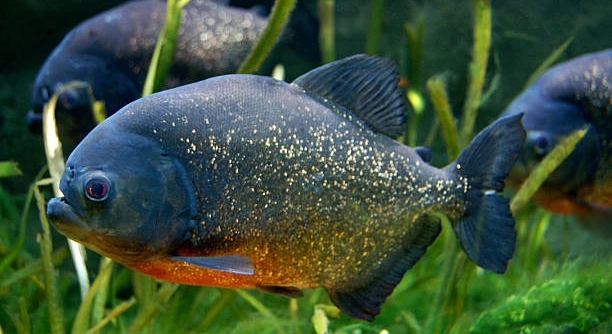
Piranhas are known for their quick movements in water. Many factors influence how fast these fish can swim and hunt. Understanding these elements can help explain their behavior and survival skills.
Several key factors influence piranha speed, including water temperature, muscle structure, size, age, diet, environmental conditions, and species variations. These aspects collectively determine how efficiently piranhas move and react in their habitats.
Knowing these factors provides insight into piranhas’ natural abilities and how they adapt to their surroundings in different ways.
Water Temperature
Water temperature plays a significant role in how fast piranhas can swim. Warmer water increases their metabolism, which helps their muscles work more efficiently and quickly. When water is cold, their activity slows down because their body functions become less efficient. Piranhas are cold-blooded fish, so their speed depends directly on the temperature of their environment. In tropical regions, where water stays warm year-round, piranhas tend to be more active and faster. Sudden changes in water temperature can also affect their speed, making them less agile until they adjust. Overall, maintaining an optimal water temperature is crucial for their best swimming performance.
The right temperature allows piranhas to reach their top speed and stay active in hunting or escaping predators.
Temperature impacts piranha speed by regulating muscle efficiency and energy levels. This relationship shows why these fish are more dynamic in warm waters. Understanding how temperature affects their speed helps explain seasonal changes in their behavior and movement patterns in different habitats.
Muscle Structure
Piranhas have strong muscles designed for quick bursts of speed. Their muscle fibers are built to generate rapid movements, allowing them to accelerate quickly when chasing prey or avoiding threats. These muscles also help them make sharp turns and sudden stops in the water. Unlike long-distance swimmers, piranhas rely on short, intense bursts of speed rather than steady swimming. This muscle design makes them powerful hunters. Their muscle strength varies slightly with age and species, influencing how fast they can swim. Healthy muscle condition, supported by good nutrition, directly improves their swimming ability and speed. Understanding their muscle structure explains much about their quick, sudden movements.
Size and Age
Larger piranhas generally swim slower than smaller ones because their body mass requires more energy to move quickly. Younger piranhas tend to be faster and more agile, while older ones may lose some speed as their bodies grow heavier.
As piranhas grow, their size impacts their swimming speed. Smaller, younger piranhas benefit from lighter bodies, which allow for quick bursts of speed essential for hunting and escaping predators. However, as they get bigger, the extra weight makes rapid movements more difficult. This size increase also demands more energy to maintain speed, causing larger piranhas to conserve energy by swimming slower. Age affects muscle efficiency too; younger fish have fresher, stronger muscles, while older ones might experience some decline in muscle power, reducing their overall speed.
Despite their slower speed with size and age, bigger piranhas often rely on strength and group hunting strategies rather than pure speed. Their body size provides advantages in power and bite force, which balances their reduced swimming quickness.
Diet and Nutrition
Good nutrition is essential for piranhas to maintain their speed. A balanced diet rich in protein helps build and repair muscles, enabling faster swimming. Poor nutrition weakens their muscles and slows them down.
Piranhas with a steady supply of nutritious food perform better in swimming and hunting. Protein is especially important because it supports muscle growth and recovery after exertion. Without enough nutrients, their energy levels drop, making it harder for them to accelerate or chase prey. The diet also affects their overall health, including stamina and alertness, both crucial for quick movements. Fish that eat poorly may become sluggish and vulnerable to predators.
Regular access to a healthy diet helps piranhas maintain optimal muscle function and speed. It also supports their endurance during longer chases and stressful situations. Keeping piranhas well-fed is key to their survival and hunting success.
Environmental Conditions
Water clarity can affect how fast piranhas move. In murky water, they rely more on senses other than sight, which may slow their speed. Clear water allows for better visibility, helping them react faster to prey or threats.
Strong currents can either help or hinder piranha speed. Swimming with the current requires less effort and increases speed, while fighting against it demands more energy and slows them down.
Species Variations
Different piranha species have unique body shapes and muscle types that influence their speed. Some species are built for quick bursts, while others are adapted for endurance or strength. These physical differences determine how fast each species can swim and hunt efficiently.
Age and Size Combined
Younger, smaller piranhas tend to be quicker and more agile. As they grow older and larger, their speed usually decreases due to increased body mass and changing muscle efficiency.
FAQ
What makes piranhas so fast compared to other fish?
Piranhas have powerful muscles designed for quick bursts of speed rather than long-distance swimming. Their bodies are compact and streamlined, helping them cut through water easily. These traits, combined with sharp reflexes and strong tail movements, allow piranhas to accelerate rapidly when hunting or escaping danger.
How does water temperature change piranha speed?
Since piranhas are cold-blooded, their body temperature and metabolism depend on the surrounding water. Warmer water speeds up their metabolism, making their muscles work faster and improving swimming speed. Cooler water slows their metabolism, reducing muscle efficiency and making them less active.
Does the size of a piranha affect its speed?
Yes, size affects speed. Smaller and younger piranhas are quicker and more agile because they have less body mass to move. Larger piranhas are heavier, so they swim slower but often have more strength, which helps in different ways like biting power and group hunting.
Why is diet important for piranha speed?
A proper diet provides the energy and nutrients needed for muscle growth and repair. Protein is especially important for maintaining muscle strength and quick reflexes. Without enough nutrition, piranhas lose stamina and speed, making it harder to catch prey or avoid predators.
Do all piranha species swim at the same speed?
No, species differ in speed due to body shape and muscle type. Some are built for quick bursts and agility, while others focus on endurance or strength. These physical differences mean speed can vary widely among species.
How do environmental factors like water clarity and currents influence speed?
Clear water helps piranhas see better and react faster, which can increase their speed during hunting or escape. Murky water slows them down as they rely on other senses. Currents can either help by pushing them forward or slow them by forcing them to swim against the flow.
Can aging reduce a piranha’s swimming speed?
Yes, as piranhas age, muscle efficiency decreases, and their body mass grows, which usually lowers their speed. Older piranhas rely more on experience and strength than on quick movements.
How does muscle structure support piranha speed?
Piranhas have fast-twitch muscle fibers that allow rapid, powerful movements needed for sudden bursts of speed. These muscles enable quick acceleration but tire easily, so piranhas don’t swim fast for long periods.
Do piranhas swim faster when hunting in groups?
Group hunting doesn’t necessarily increase individual speed, but working together allows piranhas to surround prey and strike efficiently. Their speed helps in short bursts during attacks, while cooperation improves hunting success.
What role does body shape play in swimming speed?
A streamlined body reduces water resistance, allowing piranhas to move faster. Species with more streamlined shapes tend to be quicker swimmers, while bulkier bodies slow them down but may increase power.
Is piranha speed important for survival?
Yes, speed helps piranhas catch prey and avoid predators. Quick bursts of movement allow them to seize opportunities and escape threats, making speed a critical part of their survival strategy.
How often do piranhas need to swim fast?
Piranhas mostly swim at moderate speeds to save energy. They use fast swimming in short bursts during hunting or when escaping danger, relying on muscle power and quick reflexes for these moments.
Does water quality affect piranha speed?
Poor water quality can weaken piranhas by stressing their bodies or reducing oxygen levels. This impacts muscle function and energy, slowing their swimming speed and overall activity.
Can piranhas improve their speed over time?
Piranhas don’t really “train” like humans, but healthy diet, good water conditions, and maturity help maintain or slightly improve their swimming abilities. Injuries or poor health reduce speed.
How do piranhas rest if they need bursts of speed?
Piranhas conserve energy by swimming slowly or resting near cover. They save muscle power for quick, explosive movements needed in hunting or escaping threats.
What is the fastest recorded speed of a piranha?
Exact speeds vary by species and conditions, but piranhas can reach quick bursts around 15-20 miles per hour in short distances. This speed helps them surprise prey effectively.
How do piranhas use their speed in feeding behavior?
Piranhas rely on speed to rush in and grab prey with their sharp teeth. They strike suddenly, often in groups, overwhelming their target before it can escape.
Does the piranha’s habitat affect its speed?
Yes, piranhas living in fast-flowing rivers may develop stronger muscles for swimming against currents. Those in calmer waters might focus more on bursts of speed for hunting. Habitat shapes their swimming style and abilities.
Are piranhas fast swimmers all the time?
No, they use energy wisely and only swim at high speeds when necessary. Most of the time, piranhas move slowly to conserve energy and stay alert for food or danger.
How do piranhas compare to other freshwater fish in speed?
Piranhas are among the faster freshwater fish in short bursts, thanks to their muscle structure and body shape. However, some species like trout or bass swim faster over longer distances due to different adaptations.
Piranhas are fascinating fish known for their quick movements and sharp teeth. Their speed is influenced by many factors working together. Things like water temperature, muscle structure, size, diet, and the environment all play important roles. Each factor affects how well a piranha can swim and hunt. Understanding these elements helps explain why piranhas behave the way they do in the wild. It also shows how these fish have adapted to survive in different waters.
Water temperature is one of the biggest influences on piranha speed. Since piranhas are cold-blooded, their body temperature depends on the water around them. Warm water boosts their metabolism and helps their muscles work faster, making them swim more quickly. When the water is cold, their muscles slow down, and so does their speed. Muscle strength and size also matter a lot. Smaller, younger piranhas usually swim faster because they have less weight to move. Larger or older fish are often slower but have more power and strength, which helps them in other ways. Good nutrition supports muscle health and energy, so diet also affects how fast they can swim.
Other factors like water clarity and currents affect speed too. Clear water helps piranhas see better and react faster to prey or danger, while murky water may slow them down. Currents can either push them forward or make swimming harder depending on the direction. Different species of piranhas have different body shapes and muscle types, meaning some are faster or more powerful than others. Together, all these factors combine to shape how fast piranhas move and hunt. By knowing this, it is easier to understand their behavior and the challenges they face in their natural habitats.

Hello,
If you enjoy the content that we create, please consider saying a "Thank You!" by leaving a tip.
Every little bit helps us continue crafting quality advice that supports the health, happiness, and well-being of pets around the world, for pets of all shapes, sizes, and species.
We really appreciate the kindness and support that you show us!