
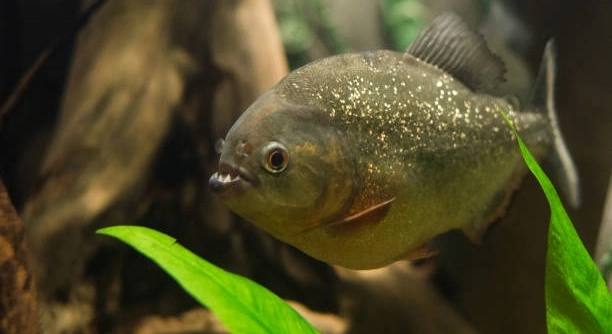
Piranhas are often seen as fierce and solitary fish, but they actually show interesting social behaviors. Understanding what makes them more social helps us appreciate their unique nature beyond just their sharp teeth and reputation.
Piranhas become more social due to factors like safety in numbers, communication through body language, and coordinated hunting strategies. These behaviors promote group cohesion and improve survival chances in their natural habitats.
Learning about these social traits reveals a more complex side of piranhas and encourages a deeper respect for their behavior in the wild.
Group Size and Safety
Piranhas often gather in larger groups called shoals. This grouping helps protect them from predators. When they swim together, it becomes harder for a predator to single out one fish. In addition, being part of a group allows piranhas to share the responsibility of watching for danger. The bigger the group, the safer each fish feels. Shoaling also helps them hunt more effectively, as they can corner prey together. This natural behavior shows that piranhas rely on numbers for survival. Staying close to each other builds trust among the fish and reduces stress. It is a simple but powerful way for them to stay alive in their often risky environment. Such behavior is common among many fish species, but in piranhas, it is especially important due to their small size and sharp enemies.
Their safety depends heavily on sticking close to others in the group, especially when food is scarce or danger is near.
Increased group size improves piranha survival by providing protection and better hunting chances. Being together strengthens communication and social bonds. This behavior helps maintain the shoal’s overall health and stability, encouraging cooperation rather than isolation.
Communication Through Body Language
Piranhas use subtle movements and changes in posture to communicate with each other. These signals include fin flicks, body tilts, and changes in swimming speed. Such behaviors can warn others of danger or coordinate attacks during hunting. Unlike loud noises, these quiet signals work well underwater where sound travels differently. Observing these signs helps piranhas stay organized and avoid unnecessary fights within the group. This form of communication plays a key role in maintaining social order. By reading each other’s body language, piranhas reduce confusion and improve cooperation during group activities.
Understanding these signals offers insight into how piranhas interact daily and maintain group harmony.
Body language is essential for coordinating movements and sharing information quickly. It helps piranhas stay connected and work together efficiently in various situations.
Coordinated Hunting Behavior
Piranhas hunt better when they work as a group. They surround prey and take turns attacking. This teamwork makes it easier to catch food.
When piranhas hunt together, they use strategy instead of just rushing in. One or two fish may chase the prey, while others wait nearby to cut off escape routes. This coordinated effort increases their chances of a successful catch. Hunting in groups also reduces the risk for each individual fish since they share the work. It shows that piranhas depend on cooperation, not just aggression, to survive. This behavior helps maintain their energy levels by making hunting more efficient.
Group hunting teaches piranhas to communicate and trust each other. It strengthens their social bonds and keeps the shoal functioning smoothly. This cooperation is essential during feeding times and helps the group stay healthy.
Environmental Factors
Water temperature and clarity affect how social piranhas become. In warmer, clearer water, they are more active and tend to stay in tighter groups. These conditions help them see each other better and coordinate actions.
Environmental changes can influence piranhas’ social behavior significantly. When water is cold or murky, they may spread out more to find food or avoid predators. In contrast, warm and clear waters encourage close swimming and teamwork. Seasonal changes, such as rainy seasons, also affect their group size and hunting patterns. Flooded areas create more space and food, sometimes causing piranhas to disperse temporarily. Understanding these factors helps explain why their social habits vary depending on where and when they live. Adaptation to the environment is key for their survival and social interactions.
Feeding Competition
Piranhas compete for food within their group, but this competition is usually balanced. Stronger fish often get first access, while others wait their turn.
This system helps keep order during feeding times. It prevents constant fighting and ensures most fish get some food, supporting group harmony.
Breeding and Social Bonds
During breeding, piranhas become more social to protect their eggs and young. Parents often guard their nests together, increasing the survival chances of their offspring. This shared responsibility strengthens social bonds within the group and encourages cooperation beyond just feeding or safety.
Territory Awareness
Piranhas are aware of their group’s territory and tend to defend it together. This shared awareness helps them respond quickly to intruders and maintain their space effectively.
How social are piranhas compared to other fish?
Piranhas are moderately social compared to many fish species. They tend to form shoals, especially when feeding or protecting themselves, but they are not as tightly bonded as some species like cichlids or certain schooling fish. Their social behavior is mainly practical, focused on survival, rather than complex social structures. Grouping offers safety in numbers and helps during hunting, but they still maintain individual space and can show aggression if crowded. Overall, piranhas balance social interaction with competition, which makes their social behavior unique but not deeply cooperative like some other fish.
Why do piranhas form groups?
Piranhas form groups primarily for protection and hunting efficiency. Being in a shoal reduces the chance of any single fish becoming prey, as predators find it harder to target one fish in a large group. Group hunting also allows them to trap prey more effectively by working together. Besides safety and hunting, grouping helps reduce stress and allows piranhas to communicate through body language. These groups are flexible and can change size depending on environmental factors, food availability, and threats. Group living is a key survival strategy for piranhas.
Do all piranhas behave socially or only some species?
Not all piranha species display the same level of social behavior. Some species are more solitary or only loosely group together. The most well-known species, like the red-bellied piranha, tend to be more social, often forming large shoals. Others may stay more spread out or come together only during certain activities like breeding or feeding. Environmental conditions and individual behavior also influence how social a piranha is. So, while social behavior is common, it is not universal among all piranha species.
How do piranhas communicate within their groups?
Piranhas use body language and subtle movements to communicate. Changes in fin position, body orientation, and swimming speed can signal warnings, aggression, or coordination for hunting. They don’t produce loud sounds but rely on visual cues to stay coordinated. This silent communication is important because loud noises travel differently underwater and could attract predators. By reading each other’s movements, piranhas can avoid unnecessary fights and work together more effectively.
What role does the environment play in piranha social behavior?
The environment greatly affects how social piranhas become. In warmer, clearer waters, they tend to form tighter groups because visibility is better, making coordination easier. Seasonal changes also impact their behavior; during floods, piranhas might spread out to find food in larger areas. In colder or murkier water, they might be less social and more solitary to reduce competition. Water conditions, food availability, and predator presence all influence how closely piranhas stick together.
Are piranhas aggressive towards their own kind?
Piranhas can be aggressive within their group but usually avoid serious fights. Aggression mostly occurs during feeding times or when competing for territory and mates. Despite this, they maintain a balance where most fish get enough food without constant conflict. Aggression helps establish social order but does not lead to frequent injuries or death inside a shoal. Cooperation and competition coexist in their social lives.
How does breeding affect piranha social behavior?
Breeding season makes piranhas more social in some ways. They often protect their nests and young together, showing shared responsibility. Both males and females can guard eggs, increasing offspring survival. During this time, piranhas may be more tolerant of each other to maintain a safe environment. This cooperation during breeding strengthens social bonds and highlights their ability to work together beyond just feeding or defense.
Can piranhas recognize individual group members?
There is limited evidence that piranhas recognize individual members of their group like mammals might. Their social behavior is more based on group dynamics than personal relationships. They respond to size, strength, and behavior rather than individual identity. Recognition probably focuses on familiar cues related to social status or threat level rather than true individual recognition.
How does group size affect piranha social behavior?
Group size directly impacts social behavior. Larger groups offer better protection and hunting success but also increase competition. Smaller groups reduce competition but may be less safe. Piranhas adjust their group size depending on food supply, danger, and environmental conditions. A balanced group size helps maintain order and ensures the fish benefit from social living without excessive conflict.
What benefits do piranhas gain from being social?
Being social helps piranhas survive in several ways. Safety in numbers reduces the risk of predation. Group hunting improves their chances of catching prey efficiently. Social living also helps with breeding success and caring for young. Communication within groups prevents fights and confusion. Overall, social behavior improves survival, feeding, and reproduction, making piranhas more adaptable in their habitat.
Piranhas are often thought of as fierce and aggressive fish, but there is more to them than just their sharp teeth. Their social behavior plays an important role in how they live and survive in their natural habitats. By forming groups, piranhas protect themselves from predators and increase their chances of finding food. These groups, called shoals, help piranhas work together, especially when hunting or facing danger. The way they communicate quietly through body movements also helps keep the group organized and reduces fights. This shows that piranhas rely on social connections to stay safe and efficient in their daily lives.
Environmental factors like water temperature and clarity also affect how social piranhas become. In warmer and clearer waters, they tend to stay closer together, which improves their ability to coordinate and hunt as a team. When the water is colder or murkier, they may spread out more to search for food or avoid threats. Seasonal changes can cause piranhas to change their group size or behavior depending on food availability and safety. These adaptations show that piranhas’ social habits are flexible and help them survive in changing conditions. Their social behavior is not fixed but shifts depending on what the environment demands.
Breeding time is another important part of piranha social life. During this period, piranhas become more cooperative to protect their eggs and young. Parents often share the responsibility of guarding the nest, which improves the chances of their offspring surviving. This teamwork during breeding strengthens social bonds and encourages cooperation beyond just feeding or defense. Overall, understanding the social side of piranhas helps us see them as more than just aggressive fish. Their ability to live and work together shows a complex and interesting behavior that supports their survival in the wild.

Hello,
If you enjoy the content that we create, please consider saying a "Thank You!" by leaving a tip.
Every little bit helps us continue crafting quality advice that supports the health, happiness, and well-being of pets around the world, for pets of all shapes, sizes, and species.
We really appreciate the kindness and support that you show us!