
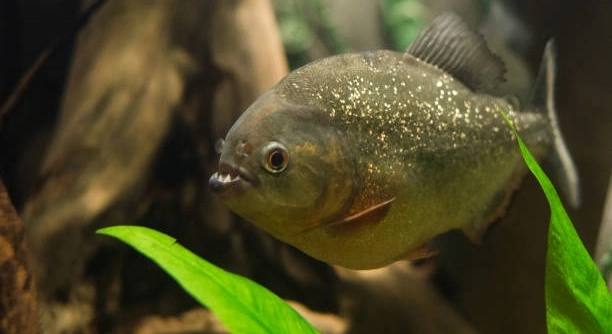
Understanding how piranhas change their body can help anyone interested in these fascinating fish. These shifts are important for their survival, behavior, and how they interact with their environment. Knowing about them gives a clearer picture of piranha life.
Piranha body shifts refer to the various physical and behavioral changes these fish undergo due to environmental conditions, social interactions, or internal biological processes. These shifts can include changes in color, size, posture, and muscle structure, all serving specific adaptive purposes.
Learning about these seven key body shifts will give you a better grasp of piranha biology and how these changes affect their role in aquatic ecosystems.
Color Change for Camouflage
Piranhas can change their body color to blend in better with their surroundings. This ability helps them avoid predators and sneak up on prey. The color shift is usually subtle, moving between shades of gray, silver, and sometimes reddish tones depending on water clarity and habitat. When water is murky, piranhas tend to adopt darker colors to stay hidden. In clearer waters, lighter colors help them blend with reflections and sunlight. These changes are controlled by cells called chromatophores, which adjust pigments based on signals from the environment. Color change can also happen during social interactions, signaling dominance or submission. This helps reduce fights and maintain group order. The shift isn’t permanent; piranhas can quickly adjust if conditions change. Understanding this color adaptation shows how piranhas survive in various environments and stay effective hunters.
This color flexibility is key for their survival in diverse habitats, offering both protection and hunting advantages.
Color changes in piranhas are not random but carefully controlled to improve their chances of survival and success in feeding.
Muscle Tone Adjustment
Piranhas often change their muscle tone depending on their activity level and stress. When they sense danger or prepare to attack, their muscles become tense and rigid. This shift allows quick bursts of speed and powerful bites. At rest, their muscles relax to conserve energy. This adjustment helps them stay alert but efficient. Muscle tone changes also play a role in social signaling. A tense body can show aggression or dominance, while a relaxed posture indicates calmness or submission. These shifts can happen rapidly and are influenced by both external threats and internal states like hunger or mating readiness. Knowing about muscle tone adjustments helps explain piranha behavior during hunting and group interactions. It also highlights how their bodies adapt instantly to changing situations in the water, balancing energy use and survival needs carefully. This flexibility is vital in their often unpredictable aquatic environment.
Jaw and Teeth Positioning
Piranhas adjust their jaw and teeth position depending on what they are eating. When feeding on tough prey or tearing flesh, their jaws open wider, and teeth shift to grip better. This helps them bite efficiently and avoid losing food.
The jaw muscles can tighten to give extra bite force, making it easier to break through scales or bones. Teeth are sharp and closely packed, designed for slicing. When piranhas eat softer food, their jaws relax a bit. This flexibility helps them feed on different kinds of prey, from fish to plants or insects. Adjusting jaw position also plays a role during fights or displays, showing strength and readiness to defend territory.
Changes in teeth and jaw positioning happen quickly and are crucial for piranhas’ feeding success. Without this adaptability, they would struggle to handle the variety of food sources in their habitats.
Fin Positioning and Movement
Piranhas change their fin positions to improve swimming speed and balance. When hunting or escaping danger, their fins become more rigid and spread wide for better control. This adjustment helps them maneuver quickly in the water.
During calm swimming or resting, fins stay relaxed and closer to the body to reduce energy use. The dorsal and pectoral fins help stabilize their movement, while the tail fin provides thrust. Fin position also communicates mood or intention to other fish, like showing aggression or submission. This combination of physical and social use makes fin movement essential for survival. Piranhas adjust fin positions constantly, reacting to their surroundings and social situations with precision. This fine-tuned control supports their active and sometimes aggressive lifestyle in fast-flowing waters.
Eye Size and Focus
Piranhas adjust their eye focus depending on the distance of their target. When hunting, their eyes sharpen to spot movement clearly. This helps them react quickly to prey or threats.
In calmer moments, their eyes relax, reducing strain while watching the surroundings. This adjustment balances alertness with energy conservation.
Body Posture Changes
Piranhas change their body posture to show dominance or submission within groups. A raised body signals aggression, while a lowered posture indicates calmness or retreat. This helps maintain social order and reduce unnecessary fights.
Scale Texture and Thickness
Piranhas can slightly alter the texture and thickness of their scales to protect themselves better. In times of stress or attack, their scales harden, providing extra defense against bites or scrapes from other fish. This natural armor is an important part of their survival strategy.
What causes piranhas to change their body color?
Piranhas change their body color mainly due to environmental factors like water clarity, light levels, and surroundings. Darker colors help them hide in murky or shaded waters, while lighter colors work better in clear, sunlit areas. Stress and social signals can also trigger color shifts. For example, when feeling threatened or trying to assert dominance, a piranha may show a more intense color. These color changes happen through specialized cells called chromatophores that adjust pigments in the skin. This ability helps piranhas blend in with their environment and communicate with other fish without using sound.
How quickly can piranhas adjust their muscle tone?
Piranhas can adjust their muscle tone almost instantly. When sensing danger or preparing to attack, their muscles tense up quickly, allowing rapid movement and strong bites. When resting or feeling safe, muscles relax to save energy. This fast response is crucial for both hunting and escaping predators. The body balances being ready for action with conserving energy, which is important in their fast-moving aquatic environment. Muscle tone changes also help piranhas send signals to others by showing aggression or calmness through body posture.
Why do piranhas change their jaw and teeth positions?
Jaw and teeth adjustments allow piranhas to handle different types of food. When biting hard or tough prey, their jaws open wider, and teeth shift for a stronger grip. This helps them tear flesh and crush scales more efficiently. For softer food, jaws relax to avoid wasting energy. These changes also play a role during fights or social displays, signaling strength or submission. This adaptability in their mouth structure supports their varied diet and aggressive behavior in the wild.
What role do fin movements play in piranha behavior?
Fin movements help piranhas swim efficiently and communicate. During hunting or fleeing, fins spread and stiffen for quick turns and stability. When resting, fins stay relaxed to save energy. Fin positions can also show mood, like aggression or calmness, helping maintain social order. The tail fin provides propulsion, while dorsal and pectoral fins stabilize the body. These constant adjustments make piranhas agile and responsive, which is key for survival in fast-flowing rivers.
How do piranhas use their eye adjustments in hunting?
Piranhas focus their eyes sharply on moving targets to catch prey. When hunting, their eyes adjust to improve distance vision and detect even small movements. This sharp focus helps them react quickly and accurately. When not hunting, their eyes relax to reduce strain while still monitoring their surroundings. These changes balance alertness with energy conservation and are important for their survival as active predators.
What does body posture tell us about piranha behavior?
Body posture is a clear signal in piranha social life. A raised body signals aggression or readiness to fight, while a lowered or relaxed posture shows calmness or submission. These postures help avoid unnecessary fights by letting others know their intentions. Social order in piranha groups depends on these subtle but clear signals, which support peaceful coexistence or dominance without constant conflict.
How do changes in scale texture and thickness help piranhas?
Piranhas can slightly harden their scales to protect against bites and scrapes during fights or predator attacks. This natural armor provides extra defense when they feel threatened. While the change isn’t huge, it strengthens their skin enough to reduce injury risk. This protective feature is important because piranhas often live in competitive and dangerous environments where physical clashes are common. The tougher scales help them survive and recover more quickly from wounds.
Piranhas are often misunderstood fish, but learning about their body shifts shows how complex and well-adapted they really are. Their ability to change color, adjust muscle tone, and shift jaw positions helps them survive in different environments. These changes are not random but carefully controlled responses to their surroundings and social situations. By understanding these shifts, we can appreciate how piranhas manage to be effective hunters and protect themselves from threats. Their body adaptations allow them to live in a wide range of water conditions and face challenges that come with their natural habitat.
The way piranhas use their fins, eyes, and posture also reveals much about their behavior. Each adjustment serves a purpose, whether it is for swimming faster, focusing on prey, or communicating with other fish. These physical changes play a big role in how piranhas interact within their groups and with other animals in the water. Their body language helps keep peace or shows dominance, making their social life more organized. Learning about these details can help anyone interested in fish behavior or aquatic life better understand what is happening beneath the surface.
Overall, piranha body shifts are key to their survival and daily life. These changes help them adapt quickly to new situations, whether it’s avoiding predators, hunting food, or managing social relationships. Knowing about these shifts adds to our knowledge of aquatic animals and highlights how nature creates clever solutions for survival. Observing and respecting these adaptations can lead to a deeper appreciation of piranhas beyond their scary reputation. They are not just fierce fish but also skilled creatures finely tuned to their environment.

Hello,
If you enjoy the content that we create, please consider saying a "Thank You!" by leaving a tip.
Every little bit helps us continue crafting quality advice that supports the health, happiness, and well-being of pets around the world, for pets of all shapes, sizes, and species.
We really appreciate the kindness and support that you show us!