
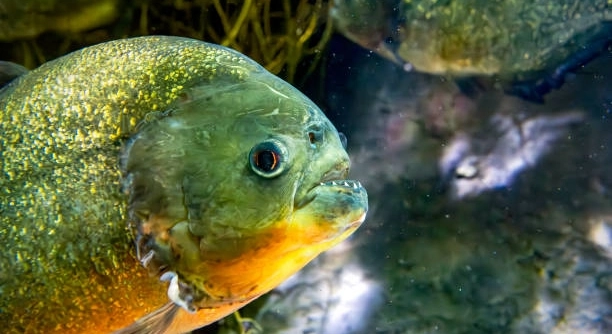
Are your piranhas acting a little differently lately, and you’re not quite sure what’s normal or what needs attention?
Piranhas exhibit complex group dynamics that can shift rapidly due to hierarchy, stress, or environmental changes. Monitoring their behavior helps maintain balance, prevent aggression, and ensure their overall health in a shared tank.
These behaviors might seem small, but they can signal important changes in the group. Recognizing the signs early can make a big difference.
1. Sudden Shifts in Aggression Levels
When one or more piranhas suddenly become more aggressive, it’s often a sign that the social structure in the tank is shifting. Piranhas establish dominance in groups, and any disruption—like a new fish, changes in environment, or even health issues—can cause this balance to shift. You might notice fin nipping, chasing, or one fish separating from the group. These aren’t random actions. They’re signals that something in the group dynamic needs adjusting. Aggression isn’t always bad, but it must be monitored closely. Ignoring it can lead to injury or long-term stress among the fish.
Even small changes in tank setup, lighting, or feeding schedules can influence aggression. It’s important to keep conditions stable.
If a piranha is consistently singled out or overly aggressive, consider isolating it temporarily. Observe feeding times, as competition for food often triggers dominance behaviors. Sometimes, simply adding more hiding spots can reduce tension in the tank.
2. Uneven Feeding Patterns
Noticing that some piranhas are eating more than others might seem minor, but it points to deeper group behavior shifts.
Feeding time is a social event for piranhas. Dominant individuals often take the lead, which can result in others being pushed away from food. If certain fish aren’t getting enough to eat, they may become weaker, more stressed, and eventually isolated by the group. This can also create a cycle where stronger fish continue to dominate feeding, widening the gap between group members. To fix this, you might try feeding from multiple points in the tank. Using tongs or spreading the food more evenly helps reduce crowding and keeps all the fish active and involved. Observing who eats and how quickly is one of the simplest ways to gauge the health and harmony of your piranha group. If changes happen suddenly, it’s often tied to dominance or territory disputes.
3. Isolation of a Single Piranha
When one piranha separates itself from the group, it can be a response to stress, sickness, or low status in the social order. This isolation should not be ignored.
A piranha that hides often or stays in a corner may be avoiding conflict or recovering from bullying. It’s important to check for visible signs of injury or illness like torn fins, dull coloring, or labored breathing. Isolation can also happen if the fish is being denied access to food or safe spaces. Addressing this early may involve adjusting the tank layout, improving water conditions, or temporarily removing aggressive tankmates. Try to keep a log of changes and observations. Even subtle behaviors can help you understand what’s causing the isolation. Regular monitoring is key to preventing long-term stress, which weakens the immune system and leaves the fish more vulnerable to disease or aggression from others.
Social withdrawal can also mean the piranha is sick. Watch how it swims—sluggish movement or staying near the bottom can be signs of internal issues. You should also check for parasites or infections that might be developing. If the water quality is off, correct it immediately. A quick water test can make a big difference in diagnosing the issue early and preventing it from spreading.
4. Increased Activity After Lights Out
If your piranhas seem calm during the day but become more active or aggressive at night, you’re likely seeing a shift in their natural behavior cycle.
Piranhas are naturally more alert in low light. Sudden bursts of activity after lights go off could mean the tank setup doesn’t give them enough comfort during the day. It might also point to hunger if they weren’t fed adequately earlier. To reduce nighttime stress, try gradually dimming lights before turning them off completely. Also, consider offering food shortly before dark, giving them time to settle afterward. Adding plants or hiding spots helps them feel secure at all hours.
Some owners report nighttime aggression leading to damaged fins or even missing scales by morning. This behavior often goes unnoticed until it’s too late. If aggression spikes after dark, try observing the tank quietly for a few minutes with a dim light. You might catch dominant fish chasing others or guarding certain areas. Making adjustments to the tank’s layout can help reduce territorial clashes. If you continue seeing signs of nighttime tension, more evenly distributing hiding spaces across the tank may help settle things down.
5. Circling or Repetitive Swimming
Piranhas that swim in tight circles or follow repetitive paths may be responding to stress or confusion in their environment. This behavior can appear when the tank is too small, too bare, or lacks enough hiding spots.
Another cause could be poor water quality or sudden changes in temperature. Test your tank water regularly and make gradual adjustments when needed. Over-filtration or strong current may also trigger restless swimming. Keeping the environment consistent and well-balanced often helps settle this type of behavior quickly.
6. Sudden Silence in the Group
When normally active piranhas become still or sluggish as a group, it’s often a sign that something has disrupted their comfort level. This could be related to a loud external noise, an unfamiliar object in the tank, or a drop in temperature. Even slight vibrations near the aquarium can cause alarm. If the change happens suddenly, review any recent adjustments—like a new filter or lighting setup. Stress like this affects all fish, not just one, so a group-wide change in movement should be taken seriously. Try to reduce outside disturbances and give the fish time to recover in a calm environment.
7. Excessive Nipping Despite Feeding
If your piranhas are well-fed but still nip at each other often, it might not be hunger-related. It’s likely a sign of dominance testing or unresolved hierarchy issues.
FAQ
Why do my piranhas chase each other even when there’s plenty of space?
Chasing is a natural part of how piranhas establish social order. Even in spacious tanks, dominant fish will often chase others to reinforce their status. It doesn’t always lead to injury, but if it becomes constant or one fish is always targeted, it may be time to adjust the tank setup. Adding plants, driftwood, or caves can help reduce visual contact and give lower-ranked fish a break. If chasing continues, try rearranging the tank to disrupt established territories. This can encourage a new balance without isolating any single fish.
How can I tell if one piranha is being bullied?
Look for torn fins, dull color, or hiding behavior. A bullied fish often avoids the group and may refuse food. It might stay in corners or under decorations for long periods. During feeding, it may hesitate or back off quickly when others approach. If you see this, first check water conditions. Poor water quality can weaken fish and make them easy targets. Then, consider adding more hiding spots or temporarily removing the aggressor. Make sure there’s enough space in the tank to support a peaceful group dynamic.
Do piranhas need to be in groups, or can they live alone?
Piranhas are social fish and do best in groups of at least four to six. When kept alone, they may become more skittish or aggressive. Grouping helps spread out any tension and encourages natural behavior. However, the tank must be large enough—at least 20 gallons per fish is a good rule. If the tank is too small, even a group of three can become stressed and hostile. Some owners keep solo piranhas successfully, but they usually require more interaction and a carefully controlled environment to stay calm.
Is it normal for one piranha to take control during feeding?
Yes, one fish often becomes the leader during feeding. This is part of their social structure. That dominant fish will usually eat first and may guard the food. The others wait or circle nearby. If the same fish always eats too much or blocks the others, you may need to change how you feed them. Use multiple feeding zones or spread the food out more evenly. Feeding with tongs in different corners can also help ensure everyone gets enough without creating tension.
Why are my piranhas only aggressive at certain times of day?
Piranhas often become more active or aggressive during low-light periods, especially if they associate those times with feeding. Changes in lighting, schedule, or noise can also influence behavior. If aggression seems tied to a certain time, try observing what else changes around that time—feeding, lighting, or even household movement. A soft transition between day and night, like using a dimmer or timer, can ease the shift. Also, feeding them earlier may reduce evening aggression.
Can water temperature affect how my piranhas behave?
Yes, temperature plays a big role in how active or aggressive your piranhas are. Cooler water can make them sluggish, while warmer water may increase movement and tension. Keep the tank between 75–80°F for balanced behavior. Rapid changes in temperature—like from a faulty heater or a cold room—can shock the fish, causing them to act abnormally or fight more. Use a reliable thermometer and avoid placing the tank near windows or vents that might cause temperature swings.
What should I do if one fish becomes aggressive after a tank cleaning?
A tank cleaning changes water chemistry, shifts decor, and may remove familiar scents. This can confuse piranhas or disrupt their sense of territory. If one becomes aggressive afterward, try turning the lights off for a few hours to calm the group. Make sure you didn’t remove too much water at once—stick to 25–30% per cleaning. Rearranging decorations can also distract them and encourage re-settling of territories in a less confrontational way.
Why do piranhas sometimes suddenly stop moving and hover in place?
Stillness can mean they’re sensing something unfamiliar or reacting to vibrations. It’s common after sudden noise, tank maintenance, or light changes. As long as they resume normal activity within a short time, it’s not a concern. But if they stay frozen or sink to the bottom, it could point to stress or illness. In that case, test your water, check for signs of injury or sickness, and review any recent changes. Piranhas are sensitive to their environment and will react quickly when something feels off.
Final Thoughts
Watching how your piranhas behave in a group gives you important clues about their health and comfort. Their actions—whether it’s chasing, hiding, or hovering in place—can tell you when something isn’t quite right in the tank. Sometimes, it’s a change in the environment. Other times, it might be about how the fish are getting along. These behaviors don’t always mean something bad is happening, but they should be taken seriously. The sooner you notice a pattern, the easier it is to make adjustments before things get worse. Just like with any pet, attention to small details makes a big difference in how well they thrive.
Keeping your piranhas calm and balanced takes more than just feeding them on time. Their surroundings, tank mates, and the way their environment is set up all play a role in how they act. Group dynamics can shift quickly, especially if one fish becomes ill or starts showing dominant behavior. That’s why routine observation is key. You don’t need to watch them for hours, but checking in during feeding times, after lights go out, or after cleaning the tank can show you how the group is doing. Changes like extra hiding spots, soft lighting, or separating a fish temporarily can help prevent bigger issues down the line.
It’s also good to remember that each group of piranhas is unique. What works for one tank might not work for another. Over time, you’ll start to notice what keeps your specific group calm and what tends to stress them out. This kind of care isn’t about perfection. It’s about staying consistent and being ready to act when something feels off. Even simple actions—like moving a plant or spacing out feeding zones—can make the tank feel safer for all your fish. With regular care and attention, you’ll be able to keep your piranhas healthy, active, and balanced in their group for the long term.

Hello,
If you enjoy the content that we create, please consider saying a "Thank You!" by leaving a tip.
Every little bit helps us continue crafting quality advice that supports the health, happiness, and well-being of pets around the world, for pets of all shapes, sizes, and species.
We really appreciate the kindness and support that you show us!