
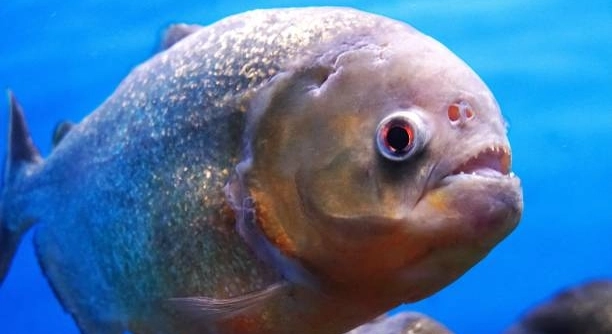
Piranhas are known for their sharp teeth and fierce reputation, but they also have unique ways of communicating. These fish use specific movements to show their territory and avoid unnecessary fights. Understanding these signals can reveal much about their behavior.
Piranhas use seven distinct movements to signal territorial boundaries. These include fin displays, body postures, and specific swimming patterns that communicate dominance and warning to other fish. These behaviors help maintain social order and reduce physical confrontations.
Learning about these movements offers insight into piranhas’ social lives and helps us better appreciate their natural instincts and interactions in the wild.
Fin Displays and Their Meaning
Piranhas often use their fins to send clear signals to other fish. When a piranha flares its dorsal fin, it is showing strength and readiness to defend its space. The larger and more rigid the fin appears, the more serious the warning. This helps avoid fights by letting others know it is not to be challenged. Piranhas also spread their pectoral fins wide, making their body look bigger and more intimidating. Tail fin flicks can mean different things depending on how fast or slow they are, often signaling irritation or alertness. These fin movements are a quick and effective way for piranhas to communicate, especially in murky waters where visibility is limited. Recognizing these fin signals can help researchers and aquarium keepers better understand piranha behavior and maintain harmony in shared spaces.
Fin displays serve as both warnings and invitations to maintain distance or back off. They are key in reducing conflict among piranhas.
Knowing these signs helps keep piranhas calm in captivity and provides clues about their mood and intentions in nature.
Body Postures That Mark Territory
Piranhas use their body position to make clear statements. When they hold their bodies straight and rigid, it shows confidence and dominance. This posture often means the fish is guarding a specific area. Sometimes, a piranha will angle its body sideways to appear larger to rivals. This tactic is meant to discourage any intruders from getting too close. Other times, they swim slowly in tight circles around their chosen spot, signaling ownership without direct aggression. These movements give a sense of control and help avoid unnecessary fights. Watching these postures in action reveals how piranhas manage their social space carefully, balancing between defense and peace. They don’t want to waste energy on fighting if they can assert themselves with just a pose.
Body postures are subtle but powerful signals that help piranhas communicate ownership of their territory.
Understanding these behaviors can reduce stress for piranhas in captivity and help observers interpret their interactions more clearly.
Swimming Patterns That Signal Boundaries
Slow, deliberate swimming in tight circles is a common way piranhas mark their territory. This movement tells others to keep their distance without causing alarm. It’s a quiet but clear message that the area is claimed.
This swimming style conserves energy while still enforcing boundaries. Piranhas avoid aggressive chases by using these patterns. It also helps weaker fish avoid conflicts with stronger ones. By recognizing these signals, piranhas maintain peace in their groups. It’s a smart way to balance protection and harmony underwater.
When a piranha swims quickly back and forth near its territory, it is often showing irritation or warning. This faster movement is more urgent than slow circling. It means the fish is ready to defend itself if necessary. These contrasting swimming behaviors provide clear communication about how serious the fish feels about intruders. Both slow and fast swimming patterns serve as effective tools for piranhas to protect their space without constant fighting.
Jaw Snaps and Mouth Movements
Jaw snaps are one of the most recognizable signals piranhas use. They open and close their mouths quickly to warn others without biting. This sound and movement act as a strong territorial alert.
These quick snaps help avoid physical fights by showing readiness to defend. Mouth movements can include opening wide to look more threatening or slight chattering as a softer warning. These actions communicate different levels of aggression. Piranhas rely on jaw snaps as part of their social language. They are effective in crowded environments where space is limited. The ability to signal through mouth movements reduces injury risks for everyone involved. This behavior is both practical and fascinating to observe in natural or controlled settings.
Head Bobbing Movements
Head bobbing is a clear sign piranhas use to warn others. It shows they are alert and ready to defend their territory.
This repetitive movement signals seriousness and can discourage other fish from approaching too close.
Tail Flicks as Warnings
Tail flicks vary in speed and intensity. Slow flicks often show mild irritation, while rapid flicks signal a stronger warning or readiness to attack. Piranhas use these flicks to communicate frustration or to keep intruders at bay without engaging in physical conflict.
Body Shaking to Assert Control
Body shaking is a more intense movement piranhas use to show dominance. It involves quick, repeated shivers that send a strong signal to rivals. This behavior can intimidate other fish and reinforce territorial boundaries, preventing fights before they start.
Eye Movements and Focus
Piranhas use sharp eye movements to track potential threats or rivals. Fixing their gaze on an intruder can be a warning sign. This silent communication lets others know the fish is watching closely and prepared to act if needed.
How do piranhas use their movements to avoid fights?
Piranhas rely on a variety of movements to communicate clearly and avoid unnecessary fights. By using fin displays, body postures, swimming patterns, and jaw snaps, they send warnings that help others recognize their territory. These signals allow piranhas to establish dominance or ownership without immediately resorting to aggression. This method helps conserve energy and reduces the risk of injury. Instead of biting or chasing, a quick fin flare or head bob can be enough to make others back off. These subtle cues keep their social environment more stable and peaceful.
Why do piranhas sometimes swim in circles?
Swimming in slow circles near their chosen spot is a way for piranhas to quietly signal territorial boundaries. This movement marks the area without showing aggressive behavior, which helps avoid fights. It’s a practical way to claim a space while still conserving energy. Circular swimming tells other fish to keep their distance but doesn’t provoke alarm or panic. This helps piranhas maintain control over their territory calmly.
What does a jaw snap mean?
A quick jaw snap is a warning signal in piranhas’ communication. It’s a way of saying “stay away” without biting. Jaw snaps can vary in speed and frequency, with faster snaps showing stronger aggression or irritation. This method allows piranhas to communicate readiness to defend their space while avoiding actual biting. It’s a key behavior that helps reduce injury in crowded or competitive environments.
How important are fin displays for piranhas?
Fin displays are very important for piranhas to show strength and intent. Flaring the dorsal fin or spreading the pectoral fins makes the fish appear larger and more intimidating. These visual cues signal dominance and help prevent physical fights by warning rivals early. Because water clarity can be poor, these displays are an effective way to communicate from a distance. Fin displays play a crucial role in social order among piranhas.
Can tail flicks mean different things?
Yes, tail flicks vary depending on speed and context. Slow flicks usually indicate mild irritation or alertness, while rapid, sharp flicks serve as urgent warnings or threats. Piranhas use tail flicks to show frustration or readiness to defend territory. These flicks help communicate emotions without physical contact, reducing unnecessary confrontations.
Why do piranhas bob their heads?
Head bobbing is a repeated movement used to show alertness and warning. When a piranha bobs its head, it signals that it’s aware of a potential intruder and ready to defend its space. This behavior helps prevent other fish from coming too close. Head bobbing is a simple but effective way to communicate without aggression.
What does body shaking indicate in piranhas?
Body shaking is a more intense sign of dominance and territorial defense. Piranhas shake their bodies quickly to intimidate rivals and reinforce control over their area. This action can prevent fights by showing strength and willingness to defend. It is usually a stronger message than fin displays or head bobs and is used when a fish wants to assert clear authority.
How do piranhas use their eyes to communicate?
Piranhas use focused eye movements to track potential threats or rivals. Fixing their gaze on another fish signals attention and readiness to act if needed. This silent communication warns others that the piranha is closely watching and prepared to respond. Eye contact adds another layer to their territorial signals and helps maintain social boundaries.
Are these signals used only for territory?
While these movements mainly signal territory, they can also communicate mood or social status. For example, jaw snaps and fin displays might show irritation, dominance, or submission depending on the situation. The same signals help piranhas manage group dynamics and avoid unnecessary conflict. So, these movements have multiple purposes within their social lives.
How can understanding piranha signals help in aquariums?
Recognizing these movements helps aquarium keepers create better environments. By understanding when a piranha feels threatened or territorial, caretakers can adjust tank setups to reduce stress and aggression. This knowledge also aids in monitoring fish health and behavior. Keeping an eye on signals like fin displays or jaw snaps can prevent fights and improve overall well-being in captivity.
Do all piranhas use the same signals?
Most piranha species use similar signals, but there can be slight variations depending on species and environment. The basic movements—fin displays, body postures, swimming patterns, jaw snaps—are common, but intensity and frequency may differ. These variations help piranhas adapt communication to their specific needs.
What should you do if piranhas show strong territorial signals?
If piranhas show intense signals like body shaking or rapid jaw snaps, it’s best to give them space. These signs mean the fish feels threatened and could become aggressive. Avoid overcrowding their area and watch for signs of stress. Providing hiding spots and enough room can help reduce tension and maintain peace.
Can these signals be misunderstood?
Yes, without knowledge of piranha behavior, these signals can be misread. For example, jaw snaps might seem like biting attempts, but they are often warnings. Understanding these movements helps avoid misinterpretation and ensures better care or study of these fish.
How often do piranhas use these signals?
Piranhas use territorial signals frequently to maintain social order. Daily interactions often involve fin flares, body postures, or jaw snaps. These behaviors are essential for communication and avoiding fights. They become more frequent when territory boundaries are challenged or crowded conditions exist.
Are these movements more common during certain times?
Territorial movements tend to increase during breeding seasons or when food is scarce. Piranhas become more protective of their space to guard nests or resources. During these times, signals are stronger and more frequent to keep rivals away. Outside these periods, communication may be less intense but still important.
Understanding these common questions about piranha movements can give a clearer picture of their social lives and territorial behavior.
Piranhas are often seen as fierce and dangerous fish, but their behavior is more complex than just biting and chasing. Their use of movements to signal territory shows a natural way to communicate without constant fighting. These signals include fin displays, body postures, swimming patterns, jaw snaps, and more. Each movement has a specific meaning that helps piranhas maintain their space and avoid unnecessary conflict. By understanding these behaviors, it becomes clear that piranhas use communication to live more peacefully within their environment. It is a reminder that even animals known for aggression have ways to manage social order carefully.
The movements piranhas use to signal territory are both simple and effective. For example, a raised dorsal fin or a quick head bob can warn others to stay away without any harm done. Slow swimming circles mark territory calmly, while faster tail flicks or jaw snaps show stronger warnings. This mix of signals allows piranhas to adjust their communication based on the situation. They can be gentle or assertive as needed. This flexible system helps reduce fights and conserve energy, which is important for survival. Seeing these behaviors in action helps people appreciate the balance piranhas maintain between defending themselves and coexisting with others.
Knowing about piranhas’ signaling movements can be useful in many ways. For those who keep piranhas in aquariums, understanding these signals can help manage stress and aggression. It allows caretakers to create better environments and respond properly when fish show signs of discomfort or threat. For scientists and nature observers, these behaviors offer insights into how piranhas interact and organize their social lives. Overall, learning about piranhas’ communication deepens our respect for them as animals that rely on clear signals to share space and live together. This knowledge can help reduce fear and encourage curiosity about these fascinating fish.

Hello,
If you enjoy the content that we create, please consider saying a "Thank You!" by leaving a tip.
Every little bit helps us continue crafting quality advice that supports the health, happiness, and well-being of pets around the world, for pets of all shapes, sizes, and species.
We really appreciate the kindness and support that you show us!