
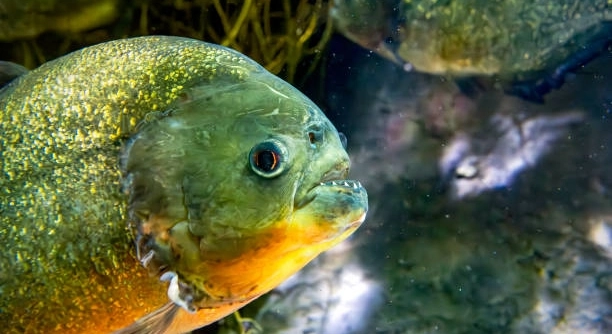
Piranhas have vibrant colors that can really stand out under the right light. Knowing how to set up your lighting can make a big difference in showing their true beauty. This article focuses on light settings that enhance piranha colors.
The best light settings for bringing out piranha color involve a combination of full-spectrum LED lights and blue actinic lighting. These lights enhance the reds and oranges in their scales while maintaining a natural look without causing stress.
Understanding the right lighting helps you create a visually pleasing aquarium and supports your piranha’s health. The following tips will guide you through the most effective light setups for vibrant colors.
Full-Spectrum LED Lighting
Full-spectrum LED lights are excellent for showcasing the natural colors of piranhas. These lights mimic daylight by covering a wide range of wavelengths, allowing the reds, oranges, and golds in the fish’s scales to appear more vibrant. In many aquariums, using only standard white lights can wash out these colors, making the fish look dull. Full-spectrum LEDs also promote healthy algae growth, which helps maintain a balanced tank environment. They use less energy and generate less heat than traditional bulbs, making them efficient and safer for aquatic life. It’s important to position the lights evenly above the tank to avoid shadows and highlight the fish from all angles. For best results, pairing full-spectrum lighting with timers ensures consistent exposure, which reduces stress on the fish while keeping their colors vivid.
Using full-spectrum LED lighting consistently brings out a lively, natural look in your piranhas without overexposing them.
Combining these LEDs with other lighting types can enhance specific color highlights and create a dynamic tank display. It’s also helpful to adjust the brightness based on your tank’s size and decoration to avoid glare or reflection that might disturb the fish. Regular maintenance of the light fixtures ensures the best performance over time.
Blue Actinic Lighting
Blue actinic lights emit light mainly in the blue spectrum, which contrasts beautifully with the warm tones of piranhas. This type of lighting makes red and orange hues pop by increasing color saturation. Unlike white light, blue light penetrates deeper into the water, which can enhance the appearance of your fish even in larger tanks. Using actinic lighting for a few hours a day complements full-spectrum LEDs without overwhelming the aquarium’s environment.
Blue actinic lighting helps accentuate colors that might otherwise appear muted under regular lighting.
It’s best to use this light in the evening or as a secondary setting to highlight your piranhas. The calming blue tones can also reduce stress, making your fish more active and colorful during feeding times. When combined properly, blue actinic lights and full-spectrum LEDs create a balanced environment that keeps your fish vibrant and comfortable. Adjusting the timing and intensity of actinic light according to your tank’s needs allows for natural-looking colors and healthy fish behavior.
Adjustable Brightness Settings
Adjustable brightness lets you control how intense the light is on your piranhas. Too much light can wash out their colors, while too little can make them look dull. Finding the right balance enhances their natural hues without causing stress.
Dimming the lights during certain times of the day mimics a natural environment and keeps the fish comfortable. You can use a dimmer switch or smart lighting system to adjust brightness gradually. This also helps prevent algae overgrowth, which can cloud the water and hide your fish’s colors.
Experimenting with brightness levels lets you highlight different parts of your tank, like plants or decorations, adding depth and contrast. Changing the intensity during feeding times can make the piranhas more active and colorful. Remember, consistency matters—sudden changes might unsettle the fish. Adjusting brightness according to the tank’s size and layout is key to making your piranhas stand out.
Warm White Light
Warm white light adds a soft, yellowish glow that can bring out the subtle tones in piranha scales. It works well during evening hours to simulate sunset lighting, making the reds and oranges appear richer and deeper.
This lighting creates a calming effect that helps reduce stress, encouraging natural behavior. When combined with cooler lights earlier in the day, it mimics a natural light cycle that benefits both fish and plants. Warm white light also helps balance out the harsher tones from brighter LEDs or actinic lights, softening the overall look of the aquarium.
Using warm white light as part of your lighting schedule can improve your tank’s aesthetic without overpowering the fish. It’s best used in the late afternoon or early evening for a smooth transition to darker periods. This type of lighting supports both visual appeal and the well-being of your piranhas, making it a valuable addition to your setup.
Natural Daylight Bulbs
Natural daylight bulbs offer a balanced light spectrum similar to sunlight. They help bring out the natural colors of piranhas without artificial tinting or color shifts. This lighting is gentle on the eyes of both fish and observers.
Using natural daylight bulbs can create a more realistic environment in your aquarium. It enhances the appearance of plants and decorations, making the whole tank look vibrant and lively.
Positioning of Lights
Proper positioning of lights ensures even coverage across the tank. Avoid placing lights too close to the water surface, as this can cause glare or stress your fish. Position lights centrally to reduce shadows and highlight your piranhas from all angles.
Timed Lighting
Timed lighting helps mimic natural day and night cycles. Using a timer prevents sudden changes in brightness, which can stress the fish. Consistent light schedules encourage regular feeding and activity patterns, helping piranhas show their best colors naturally.
FAQ
What type of lighting is best for showing piranha colors?
Full-spectrum LED lights combined with blue actinic lighting are the best options. Full-spectrum LEDs cover a wide range of light wavelengths, bringing out the natural reds and oranges in piranha scales. Blue actinic lights increase color saturation by emphasizing these warm tones, especially in deeper tanks. Together, they create a balanced, natural look without stressing the fish.
Can regular aquarium lights make piranhas look dull?
Yes, standard white aquarium lights often lack the necessary range of wavelengths to enhance piranha colors. They can make the fish appear washed out or pale. Upgrading to specialized lighting like full-spectrum LEDs or natural daylight bulbs helps reveal the true vibrancy of their scales.
How important is light positioning in an aquarium?
Light positioning is crucial. Even lighting coverage ensures all parts of the tank are visible and your piranhas’ colors shine from every angle. Lights placed too close to the surface can cause glare, which stresses the fish. Positioning lights centrally and evenly over the tank reduces shadows and highlights fish naturally.
Should I use a timer for aquarium lighting?
Yes, using a timer is highly recommended. It creates a consistent day-night cycle, which helps reduce stress and encourages natural behavior in your piranhas. Sudden light changes can startle fish, so a gradual on-off schedule mimics their natural environment and supports healthy activity levels.
Does light intensity affect piranha colors?
Light intensity does affect color visibility. Too bright lighting can wash out the fish’s colors and stress them, while too dim light makes their colors hard to see. Adjustable brightness allows you to find the right balance for your specific tank size and setup, enhancing color without overwhelming the fish.
Can lighting impact the health of piranhas?
Yes, lighting affects both health and appearance. Proper lighting supports natural behavior, reduces stress, and promotes a healthy environment by controlling algae growth and maintaining a good day-night cycle. Balanced lighting helps piranhas stay active and vibrant, which is a sign of good health.
Is warm white light good for piranha tanks?
Warm white light can be beneficial as part of a lighting schedule. It adds a soft, natural glow that deepens the warm tones in piranha scales, especially in the late afternoon or evening. This light reduces stress and balances out harsher lighting, creating a pleasant environment for your fish.
How often should aquarium lights be on each day?
Typically, aquarium lights should be on for about 8 to 10 hours daily. This duration mimics natural daylight and supports healthy behavior. Using a timer to control this schedule prevents overexposure, which can cause stress or excessive algae growth, and ensures consistent light cycles.
Can lighting affect algae growth in the tank?
Yes, the type and duration of lighting can influence algae growth. Too much bright light or keeping lights on for too long encourages algae, which can cloud water and hide piranha colors. Using timers and adjustable brightness helps manage algae by limiting light exposure to necessary amounts only.
What’s the best way to combine different types of aquarium lighting?
Combining full-spectrum LEDs with blue actinic and warm white lights creates a natural balance. Full-spectrum lights provide overall brightness and color accuracy. Blue actinic lights boost reds and oranges, while warm white softens the environment in the evening. Adjusting the timing of each type ensures a smooth transition and a vibrant tank display.
Final Thoughts
Choosing the right lighting for your piranha tank is important for both the appearance of your fish and their well-being. Proper lighting helps bring out the natural colors of piranhas, making their reds, oranges, and golds much more vivid. Using full-spectrum LED lights is a good starting point because they cover a wide range of light colors that closely resemble natural daylight. Adding blue actinic lights can enhance the warm tones even more, giving your fish a lively and colorful look. It’s also helpful to use warm white lights during certain times of the day to soften the lighting and create a natural atmosphere in the tank.
Lighting doesn’t just affect how your piranhas look but also how they feel. Too much brightness can cause stress and wash out their colors, while too little light can make the fish appear dull and less healthy. Using adjustable brightness settings lets you find the perfect balance for your specific tank size and setup. Positioning the lights properly is equally important. Even light coverage prevents shadows and glare, which can be uncomfortable for the fish. Timed lighting schedules also make a difference by mimicking natural day and night cycles. This helps reduce stress and encourages natural activity, which is good for the health of your piranhas.
In the end, combining different types of lighting and controlling their intensity and timing creates a more natural and comfortable environment for your fish. Maintaining a consistent schedule with timers and adjusting the lights based on how your fish respond will make a noticeable difference. Well-lit tanks not only show off the beautiful colors of your piranhas but also support their overall health and happiness. Taking time to understand and set up the right lighting will improve both the look of your aquarium and the quality of life for your fish.

Hello,
If you enjoy the content that we create, please consider saying a "Thank You!" by leaving a tip.
Every little bit helps us continue crafting quality advice that supports the health, happiness, and well-being of pets around the world, for pets of all shapes, sizes, and species.
We really appreciate the kindness and support that you show us!