
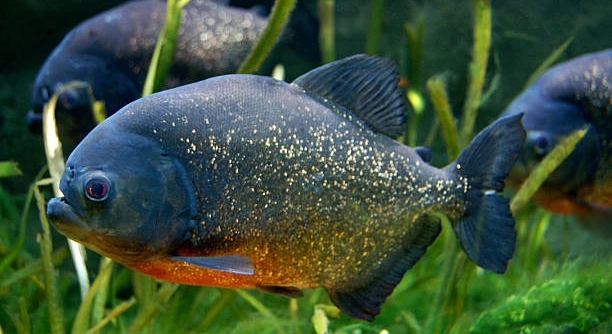
Tank disputes can cause stress for both fish and owners. Aggressive behavior disrupts harmony in aquariums and can lead to injuries or even death among fish. Managing these conflicts is essential for a peaceful tank environment.
Effective strategies to reduce tank disputes involve selecting compatible species, maintaining adequate space, providing hiding spots, and controlling feeding routines. Proper tank setup and consistent monitoring minimize aggression and support the well-being of all aquatic inhabitants.
Understanding and applying these methods will create a calmer aquarium and improve fish health. This article outlines seven practical tricks to help reduce tank disputes effectively.
Choose Compatible Species Carefully
Selecting fish that naturally coexist reduces stress and aggression in the tank. Some species are territorial, while others prefer schooling environments. Researching compatibility beforehand helps avoid conflicts. For example, mixing aggressive cichlids with peaceful tetras often leads to problems. Instead, pair species with similar temperaments and size to promote harmony. Proper compatibility sets the foundation for a peaceful aquarium.
Proper species selection involves knowing the behavior, size, and environmental needs of each fish. Avoid overcrowding by keeping the number of fish suitable for the tank’s size. Pay attention to adult sizes, as fish that grow larger may become territorial later.
Matching fish with complementary behaviors prevents many disputes. Species that swim in different tank levels or have distinct diets tend to ignore each other, reducing competition. Providing a balanced mix creates a calmer, more stable environment for everyone involved.
Maintain Adequate Space
Fish need enough room to swim and establish territories without feeling cramped. Overcrowding increases stress and triggers fights. A larger tank with sufficient swimming space reduces competition for resources. This simple adjustment can significantly lower aggressive encounters. Avoid filling the tank beyond recommended fish capacity to keep peace.
Adequate space is essential for fish well-being and reduces disputes caused by territorial behavior.
Providing enough space allows fish to retreat when needed. It lowers stress and helps maintain water quality by reducing waste concentration. Fish confined in small tanks become aggressive as they compete for limited resources. Larger tanks offer varied territories, letting fish coexist more peacefully. When fish have room to spread out, they can avoid constant contact with others, which decreases tension. Regularly checking tank capacity and upgrading when needed helps sustain a balanced environment. Proper tank size is an easy yet effective step toward reducing disputes.
Add Plenty of Hiding Spots
Hiding places allow fish to escape aggression and reduce stress. Rocks, plants, and decorations create safe zones where timid fish can retreat. This decreases the likelihood of confrontations. Fish feel more secure with multiple hiding options throughout the tank. Without these, territorial fish become more aggressive as they guard limited spaces.
Hiding spots contribute to fish comfort and limit fights over territory.
Setting up several hiding areas distributes fish evenly and minimizes direct competition. These zones break sight lines, so aggressive fish cannot easily target others. Live plants offer natural shelter and improve water quality, making them a good choice. Even artificial caves or PVC pipes serve well as retreats. When fish have places to hide, they avoid unnecessary conflicts and feel safer. This results in a calmer tank overall. Including a variety of structures creates a more natural environment and helps maintain peace.
Control Feeding Routines
Feeding times often trigger disputes due to competition over food. Fish become more aggressive when hungry or rushed. Establishing a consistent feeding schedule reduces this stress. Feed small amounts evenly distributed across the tank to prevent dominant fish from monopolizing food. Using automatic feeders can also help maintain regularity.
Consistent feeding habits reduce aggression related to food competition.
Spreading food in several areas ensures all fish get a share, which lowers fights during meals. Avoid overfeeding, as excess waste harms water quality and fish health. Monitor fish during feeding to adjust portions and frequency. Some fish require specific diets, so providing suitable food reduces stress. Maintaining clean tank conditions also improves appetite and behavior. Overall, a controlled feeding routine promotes fairness and peace at feeding times.
Monitor Behavior Regularly
Observing your fish daily helps identify early signs of disputes. Watch for chasing, nipping, or hiding more than usual. Early detection allows intervention before conflicts escalate. Removing aggressive individuals temporarily or permanently may be necessary. Consistent monitoring supports tank harmony and fish health.
Regular behavior checks help maintain a balanced aquarium environment.
Keeping notes of changes in behavior or health provides insight for adjustments. Stress signs can indicate tank conditions that need improvement, such as water quality or overcrowding. Addressing problems promptly prevents prolonged aggression and injuries. Establishing a routine to observe the tank allows quick response to disputes and maintains overall well-being.
Maintain Water Quality
Poor water quality causes stress and increases aggression in fish. Regular water changes, proper filtration, and testing maintain a healthy environment. Clean water reduces illness risk and stabilizes fish behavior. Testing for ammonia, nitrite, nitrate, and pH helps detect imbalances. Acting promptly ensures a calm tank.
Clean water is crucial for reducing stress-related tank disputes.
High levels of toxins irritate fish and weaken their immune systems, making them more aggressive. Maintaining stable parameters supports natural behavior and prevents outbreaks of fights. Replacing 10-20% of water weekly and cleaning filters keeps conditions optimal. Using water conditioners can remove harmful chemicals. Investing in good filtration systems supports long-term tank stability. Healthy water conditions contribute significantly to a peaceful aquatic environment.
Use Tank Dividers When Needed
Tank dividers create physical barriers that prevent aggressive fish from contacting others. This solution works well in community tanks with incompatible species or individuals. Dividers provide separate territories and reduce stress. They also allow observation of interactions without risk of injury.
Dividers offer an effective way to manage aggression in mixed-species tanks.
Installing clear or mesh dividers maintains visibility while separating fish. This can prevent fights during breeding or when introducing new fish. Dividers also help quarantine aggressive individuals temporarily. Placement depends on tank layout and fish behavior. While not a permanent fix, dividers give time to adjust or rehome problematic fish. Using barriers is a practical tool for reducing tank disputes in specific situations.
Provide Enrichment and Variety
Adding environmental enrichment such as plants, varied substrates, and decorations encourages natural behavior. Fish are less likely to become bored or stressed. Variety in the tank reduces aggression caused by frustration or monotony. Changing tank layout occasionally keeps fish engaged and less territorial.
Environmental enrichment improves fish well-being and reduces aggressive behavior.
Different textures and hiding places mimic natural habitats, helping fish feel safe. Enrichment promotes exploration and reduces focus on dominant behavior. Including floating plants or open swimming areas balances space for all activity types. Enrichment should match species needs to maximize benefits. A dynamic environment supports peaceful coexistence and keeps fish mentally stimulated, lowering chances of conflict.
Understand Fish Body Language
Fish communicate through body language, which reveals stress or aggression. Watching for fin flaring, rapid movements, or color changes helps identify tension early. Recognizing these signs allows timely intervention before disputes escalate. Becoming familiar with your fish’s typical behavior improves your ability to maintain peace in the tank.
Regular observation of fish posture and movement highlights discomfort or dominance attempts. Aggressive fish may chase or nip others, while stressed fish hide or become lethargic. Noticing these patterns helps adjust tank conditions or separate individuals when needed. Early detection of conflict signs prevents injuries and long-term stress.
Understanding these cues helps in choosing when to change tank layout or increase hiding spots. It also guides feeding adjustments to calm the fish. Keeping a calm tank depends on reading these signals and reacting appropriately to reduce disputes effectively.
Use Lighting to Manage Behavior
Lighting affects fish activity and mood. Bright, constant light may increase aggression in some species. Adjusting light intensity and duration helps regulate behavior and reduce stress. Dimmer lighting during feeding or at night promotes calmness. Using a timer ensures consistent light cycles, preventing sudden changes that disturb fish.
Proper lighting simulates natural conditions and supports peaceful interactions. Avoid placing tanks in direct sunlight, which raises temperature and encourages algae growth. Experiment with gradual light dimming to find what works best for your fish. Lighting control is a simple tool to influence fish behavior positively.
Balanced lighting improves fish health by maintaining natural rhythms and reducing territorial disputes. Sudden brightness or darkness can trigger defensive responses. A stable, gentle light environment allows fish to settle and interact more peacefully. Proper lighting adjustments are an effective part of managing tank harmony and supporting fish well-being.
Avoid Overcrowding
Overcrowding increases stress and competition among fish. Too many fish in a small tank leads to limited space and resources. This situation often causes aggression and injuries.
Maintaining a proper fish-to-tank-size ratio helps reduce disputes. Giving each fish enough room prevents territorial behavior and promotes peaceful coexistence.
Quarantine New Fish
Quarantining new fish prevents introducing diseases and aggressive behavior into the tank. A separate quarantine tank allows observation for health and temperament before mixing.
This practice protects the established community and reduces unexpected conflicts caused by new arrivals.
Regular Tank Maintenance
Keeping the tank clean and stable is vital for fish health and behavior. Regular water changes and filter cleaning prevent buildup of harmful substances that stress fish.
Poor water quality can lead to increased aggression and illness. Staying consistent with maintenance routines supports a calm and healthy environment, reducing disputes and promoting fish well-being.
Observe Group Dynamics
Fish interact in complex social ways. Observing their group behavior helps identify bullying or exclusion. Adjusting tank setup or population can improve harmony and reduce conflict.
What causes tank disputes among fish?
Tank disputes often arise due to territorial behavior, limited space, or competition for food. Fish naturally establish hierarchies, and some species are more aggressive by nature. Stress from poor water conditions or overcrowding can also increase conflict, making peaceful coexistence difficult.
How can I tell if my fish are fighting?
Signs of fighting include chasing, nipping fins, sudden color changes, and damaged scales. You might notice some fish hiding more often or showing signs of stress like rapid breathing. Observation is key; early detection can help prevent injuries and keep the tank calm.
Is tank size important in reducing disputes?
Yes, tank size directly affects fish behavior. A larger tank provides more territory and hiding spaces, which reduces competition. Overcrowding increases stress and aggression, so following recommended fish-to-gallon ratios is essential for peace.
Can tank decorations reduce fish aggression?
Decorations like plants, rocks, and caves create hiding spots and visual barriers. These help break lines of sight, lowering territorial disputes by giving fish private spaces. Adding enough cover makes the environment more natural and less stressful for fish.
Does feeding schedule impact aggression?
Regular, consistent feeding times reduce competition during mealtime. Overfeeding or irregular feeding can cause stress and provoke aggressive behavior. Feeding smaller amounts more often can keep fish calmer and minimize disputes over food.
How important is water quality in preventing fights?
Water quality is crucial. Poor water conditions increase fish stress and irritability, making them more likely to fight. Regular water testing and changes help maintain stable pH, ammonia, and nitrate levels, promoting a healthier and calmer tank environment.
Should I separate aggressive fish?
Separating aggressive fish is often necessary to protect others. If one fish continuously attacks, moving it to another tank or using a divider can prevent injuries. Sometimes rearranging the tank or adding more hiding spots also helps reduce aggression without separation.
Does lighting affect fish behavior?
Lighting influences fish activity and mood. Bright or sudden changes in light can stress fish and trigger aggression. Using a timer for consistent, gentle lighting cycles simulates natural conditions and helps keep fish calm.
How long should new fish be quarantined?
Quarantine periods typically last 2 to 4 weeks. This allows time to observe new fish for illness or aggressive behavior before introducing them to the main tank. Quarantine reduces the risk of disease and conflict in established communities.
Can certain fish species live together peacefully?
Some species are naturally more peaceful and compatible, while others are territorial or aggressive. Researching species compatibility before mixing fish helps create a balanced community and reduces disputes. Matching fish size and temperament is also important.
What role does tank layout play in disputes?
A well-planned layout with plenty of hiding spaces and clear territories minimizes conflict. Uneven distribution of plants, rocks, and caves allows fish to claim spaces and avoid constant encounters. Rearranging decorations occasionally can disrupt established dominance and reduce aggression.
Are there behavioral signs before fights start?
Yes, fish may show warning signs like flaring fins, chasing, or staring before fighting. These behaviors indicate attempts to assert dominance or warn others. Recognizing early signs allows intervention through tank changes or separating fish.
Can water temperature influence fish aggression?
Higher temperatures can increase fish metabolism and activity levels, sometimes leading to more aggression. Keeping temperature stable within species-specific ranges helps maintain calm behavior and prevents stress-induced disputes.
Is it helpful to keep fish in groups?
Certain species feel safer and less aggressive in groups. For example, schooling fish display natural social behaviors that reduce stress. However, groups should not overcrowd the tank, and species compatibility must be considered.
How often should I monitor fish behavior?
Daily observation is best for spotting early signs of stress or aggression. Regular checks allow for quick adjustments to feeding, environment, or tank population, helping maintain harmony and preventing serious disputes.
What should I do if a fish gets injured?
Isolate injured fish to allow healing and prevent further attacks. Clean wounds with appropriate treatments and maintain excellent water quality to support recovery. Observing the injured fish closely ensures timely care and reduces long-term damage.
Does adding more fish help reduce aggression?
Adding fish can sometimes spread aggression but may also diffuse it if done carefully. Introducing several new fish at once can disrupt established hierarchies, reducing bullying. This method requires cautious planning and monitoring to avoid overcrowding.
Are there products to reduce fish aggression?
Some products claim to reduce aggression, such as water conditioners or calming additives, but their effectiveness varies. Environmental changes like tank size, layout, and population management remain the most reliable methods to control disputes.
Can fish personalities affect tank harmony?
Individual temperament plays a significant role. Even within peaceful species, some fish are more dominant or aggressive. Observing and understanding each fish’s personality helps in managing the community and reducing conflicts effectively.
Is it normal for fish to have occasional disputes?
Yes, occasional disputes are natural as fish establish social order. Brief skirmishes usually don’t cause harm if the tank is large enough and fish have places to escape. Persistent or severe fighting requires intervention to protect fish health and well-being.
Managing disputes in a fish tank requires attention and patience. Understanding fish behavior and creating a balanced environment are key to reducing conflicts. Each tank is unique, and what works for one setup might need adjustment for another. Consistent care and observation help maintain peace and ensure all fish coexist comfortably. Paying attention to signs of stress or aggression early can prevent bigger problems later.
Proper tank size and thoughtful decoration contribute greatly to harmony. Providing enough space and hiding places reduces competition and territorial disputes. Overcrowding often leads to increased aggression, so maintaining an appropriate number of fish is important. Regular maintenance, including clean water and stable conditions, supports fish health and decreases irritability. A healthy environment naturally encourages calmer interactions.
Introducing new fish carefully is also crucial. Quarantining before adding fish to the main tank prevents spreading disease and reduces aggression caused by sudden changes. Gradual introductions and matching compatible species help the community adjust smoothly. Lighting and feeding routines also influence behavior, so maintaining consistency supports a stable, peaceful tank. Overall, attention to these factors promotes long-term well-being and minimizes disputes in an aquarium setting.

Hello,
If you enjoy the content that we create, please consider saying a "Thank You!" by leaving a tip.
Every little bit helps us continue crafting quality advice that supports the health, happiness, and well-being of pets around the world, for pets of all shapes, sizes, and species.
We really appreciate the kindness and support that you show us!