
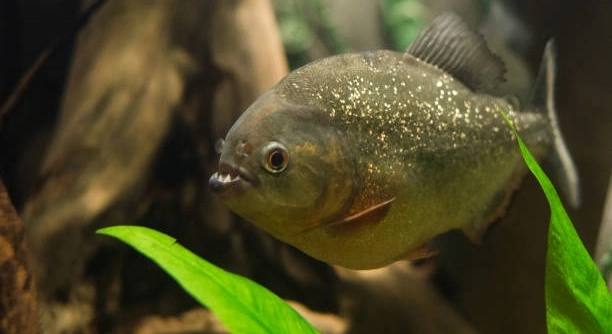
Piranhas have a reputation for being fierce and fast eaters. They often bite into objects that resemble food, which can cause confusion for their owners. Understanding what items they mistake for food helps prevent accidents and keeps them safe.
Piranhas commonly confuse shiny, small, or moving objects with food due to their hunting instincts. Items such as coins, plastic debris, or small toys often trigger their biting behavior, leading to potential ingestion or injury. Proper tank management reduces these risks.
Identifying these common mistaken items will improve your awareness and care approach. This knowledge is essential for maintaining a safe environment for your piranhas.
Shiny Objects and Small Toys
Piranhas are attracted to shiny objects because their hunting instincts respond to reflections and movements. Coins, small metal pieces, or plastic toys that glisten in the water can easily catch their attention. These items resemble the scales of fish or other prey, causing piranhas to bite repeatedly. This behavior can be dangerous if the object is swallowed or causes injury to their mouths. Owners should be careful to keep tanks free from small, shiny items and avoid dropping anything metallic near the water. Even small plastic parts from decorations can be mistaken for food. Maintaining a clean and secure tank environment is essential to prevent these issues. Regularly checking the tank for foreign objects can protect piranhas from unnecessary harm and avoid costly problems later.
Shiny objects trigger piranhas’ natural response to attack, as they appear similar to prey. Avoid placing such items near the tank.
Piranhas rely heavily on visual cues, so shiny objects and small toys simulate the quick, reflective flashes of fish scales. This makes piranhas instinctively attack. Small toys with bright colors or reflective surfaces resemble natural prey in size and movement. If swallowed, these objects can cause choking or digestive problems. To minimize risks, avoid placing any small, reflective items near the tank and ensure all decorations are secure and large enough to prevent accidental ingestion. Observing your piranhas’ behavior around new tank additions can help identify potential hazards early. Creating a safe environment allows piranhas to thrive without risking injury from mistaken food items.
Floating Food and Debris
Piranhas often mistake floating debris for food due to their opportunistic feeding habits. Any small particles or fragments on the water’s surface can attract their attention quickly.
Floating food pieces that are not part of their diet, like bits of plant matter or plastic flakes, can cause confusion and lead to excessive biting. It is important to monitor what enters the tank from outside sources, such as leftover food or airborne debris. Removing uneaten food promptly helps reduce this issue. Proper filtration and regular cleaning also prevent buildup on the surface. Floating items that appear irregular or unnatural may cause stress or injury if piranhas bite repeatedly at them. Being attentive to these details maintains a healthier tank and reduces risks of harm caused by mistaken identity.
Reflections and Tank Equipment
Reflections in the tank can confuse piranhas, causing them to bite repeatedly at glass or decorations. This behavior can lead to injuries or stress.
Light reflecting off the glass or decorations creates illusions of other fish, triggering aggressive responses. Piranhas may attack their own reflections or shadows, mistaking them for rivals or prey. This is common in tanks placed near bright windows or strong artificial light sources. The constant biting can damage their teeth and cause unnecessary stress.
Tank equipment such as heaters, filters, or tubing can also be mistaken for food, especially if they have bright colors or unusual shapes. Piranhas may try to bite or nibble on these items. Securing equipment and choosing neutral colors reduces this confusion. Regularly inspecting gear for signs of damage from bites helps maintain a safe environment and prevents equipment failure.
Small Floating Insects
Small insects that land on the water surface can attract piranhas quickly. These creatures appear as natural prey and trigger feeding instincts.
Insects like flies, gnats, or small spiders that accidentally fall into the tank become immediate targets for piranhas. Their movement and size closely resemble the piranhas’ usual diet, prompting quick strikes. While this provides a natural snack, an overabundance of insects may cause water contamination or stress. It is important to limit insect entry by keeping the tank covered and clean. Controlling the tank area’s environment reduces the number of insects that reach the water, minimizing risk to both piranhas and water quality.
Plant Debris in the Tank
Dead or decaying plant material often falls to the bottom or floats in the water. Piranhas may bite these pieces, mistaking them for food.
Though not harmful in small amounts, excessive plant debris can reduce water quality. Removing old leaves regularly helps maintain a cleaner tank and prevents mistaken feeding.
Plastic Decorations
Plastic decorations come in many shapes and colors, which can confuse piranhas. Bright or shiny surfaces may encourage biting.
Repeated biting can damage the decorations and harm the fish. Choosing natural-looking, non-reflective decor helps minimize this behavior and keeps the tank safer.
Uneaten Fish Food
Uneaten food that sinks or floats in the tank attracts piranhas. They will bite at these leftovers quickly.
It is important to feed appropriate amounts and remove uneaten food promptly. This practice prevents water pollution and reduces the risk of piranhas targeting non-food objects.
Small Rocks and Gravel
Small rocks or gravel at the tank bottom can be mistaken for food during feeding time. Piranhas may bite or try to swallow these items.
What should I do if my piranha swallows a non-food item?
If your piranha swallows something it shouldn’t, observe it closely for signs of distress or illness. Symptoms like lethargy, loss of appetite, or unusual swimming may indicate a problem. It is important to contact a veterinarian experienced with fish immediately. Avoid trying to induce vomiting or other treatments without professional advice, as this could cause more harm. In the meantime, maintain excellent water quality and minimize stress by keeping the tank environment stable and quiet.
Can mistaken biting damage piranhas’ teeth?
Yes, repeated biting of hard or sharp objects can wear down or damage piranha teeth. Their teeth naturally regenerate, but excessive damage may affect their ability to feed properly. Providing a natural diet and avoiding placing inappropriate objects in the tank can help protect their teeth. Monitoring their behavior around unfamiliar items also prevents unnecessary wear or injury.
Are plastic decorations safe for piranhas?
Plastic decorations are generally safe if made from aquarium-grade materials. However, bright or reflective plastics can trigger biting behavior. Some plastics may also leach harmful chemicals if not designed for aquariums. Always choose decorations labeled safe for fish tanks and avoid small parts that can be swallowed. Clean decorations regularly to prevent buildup of harmful bacteria.
How can I reduce the risk of my piranha biting tank equipment?
Securing tank equipment firmly and using neutral-colored items reduces confusion. Avoid placing bright or shiny parts near the water surface. Covering exposed wires and tubing and positioning heaters or filters away from the fish’s usual swimming area can minimize contact. Regularly inspect equipment for bite damage to prevent malfunctions.
Why do piranhas bite reflections?
Piranhas mistake their reflections for rivals or prey due to their territorial nature and strong visual instincts. Reflections simulate movement and presence of other fish, triggering aggressive behavior. Controlling lighting and reducing glare on the glass helps limit this behavior.
Is it harmful if piranhas bite floating debris?
Biting floating debris is usually not harmful unless the material is toxic or sharp. However, excessive biting can cause stress. Removing debris promptly and maintaining good tank hygiene prevents buildup of potentially harmful items.
Can small insects improve my piranha’s diet?
Small insects can provide natural protein and enrichment, but they should not replace a balanced diet. Only a limited amount is recommended to avoid water contamination and excess waste. Covering the tank helps control insect entry.
How often should I clean my tank to prevent mistaken feeding?
Regular cleaning is essential. Removing uneaten food, plant debris, and foreign objects weekly helps maintain water quality and prevents piranhas from mistaking these items for food. A clean tank reduces stress and keeps the fish healthier.
What signs indicate my piranha is stressed from mistaken biting?
Signs include erratic swimming, hiding, loss of appetite, and visible mouth injuries. Stress weakens the immune system and may lead to illness. Address environmental causes by removing confusing objects and ensuring proper tank conditions.
Are natural decorations better for piranhas?
Natural decorations like driftwood and live plants are less likely to provoke biting. They create a more familiar environment and reduce reflection issues. However, they require maintenance to prevent decay and water quality problems. Choose decorations carefully to balance safety and aesthetics.
Final thoughts on piranhas mistaking common items for food emphasize the importance of maintaining a well-managed tank environment. Piranhas are naturally aggressive and curious fish, which can lead them to bite objects that resemble prey. This behavior, while common, can cause harm to the fish or damage the tank’s equipment and decorations. Careful observation of their behavior and regular tank maintenance are key to reducing these incidents. Removing unnecessary objects and choosing appropriate decorations can make a significant difference in their overall health and comfort.
Providing a proper diet is essential for minimizing mistaken bites. Piranhas need a balanced and varied diet that meets their nutritional needs. Feeding the right amount of food at consistent times helps reduce hunger-driven biting at non-food objects. Overfeeding or irregular feeding schedules may encourage piranhas to explore their environment more aggressively, increasing the chances of biting tank equipment or decorations. Monitoring feeding habits and adjusting as needed supports a healthier and calmer fish.
Lastly, controlling environmental factors like lighting and reflections plays an important role. Piranhas can react to reflections or shadows as if they were rivals or prey, leading to aggressive biting. Reducing bright lights, repositioning the tank, and using non-reflective backgrounds or decorations help lower stress and biting behavior. Overall, attention to tank setup, diet, and environment promotes a safer habitat for piranhas and reduces confusion about what counts as food. Consistent care and observation improve their well-being and prevent damage to the aquarium.

Hello,
If you enjoy the content that we create, please consider saying a "Thank You!" by leaving a tip.
Every little bit helps us continue crafting quality advice that supports the health, happiness, and well-being of pets around the world, for pets of all shapes, sizes, and species.
We really appreciate the kindness and support that you show us!