
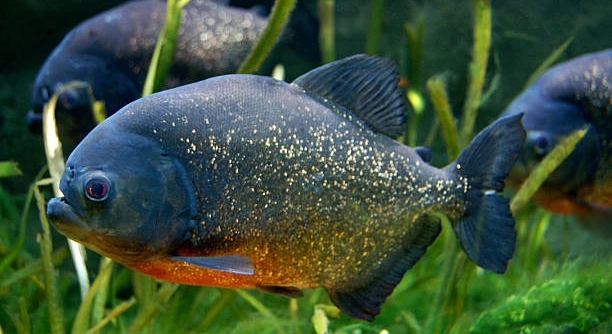
Do you ever find yourself puzzled by your piranha’s odd behavior, wondering if their mood swings have something to do with their water?
Piranha moods are strongly influenced by water parameters such as pH, temperature, ammonia levels, and water hardness. Sudden changes or imbalances in these conditions can cause stress, aggression, or lethargy, impacting their overall well-being.
From shifts in pH to subtle changes in temperature, these water levels can make a big difference in how your piranha acts and feels.
pH Levels and How They Affect Mood
Piranhas are sensitive to changes in pH, and even slight shifts can impact how they act. A stable pH between 6.5 and 7.5 keeps them calm and balanced. When the pH is too low, piranhas may become sluggish and show signs of stress. On the other hand, high pH levels can make them skittish or aggressive. Fluctuations in pH disturb their internal balance, making them feel unsafe in their environment. Testing your tank water regularly helps maintain this important parameter. Using buffers or adjusting with natural elements like driftwood can help keep pH steady. Always make changes slowly to avoid shocking the fish. Their health, behavior, and feeding habits all depend on maintaining this consistency. If your piranha suddenly starts hiding more often or acting out, it may be a sign that the pH is off. Staying on top of this one factor can make a big difference in their mood.
A piranha’s reactions to pH levels are immediate and visible, which is why regular monitoring is a must for any tank.
A stable pH keeps their body functions running smoothly. It supports good digestion, balanced metabolism, and normal swimming patterns. A fluctuating pH throws off their internal systems and creates discomfort. They may stop eating, become aggressive, or avoid other fish. These behavioral changes are signs that the pH needs attention. You may notice cloudy eyes, rapid gill movement, or dull coloration. These are more signs of stress linked to poor water quality. pH issues often develop slowly, so checking levels weekly with a reliable test kit helps catch problems early. Avoid using chemicals that promise instant fixes. Instead, go for small water changes and add natural stabilizers like peat moss or almond leaves. Patience goes a long way here. If you keep pH in the proper range, your piranhas will act more like themselves—active, alert, and social when they need to be.
Temperature Swings and Stress
When water temperature shifts too fast, it can leave piranhas feeling unsettled and out of sync.
These fish prefer water temperatures between 75°F and 80°F. Consistency is what matters most. Sudden drops or spikes in temperature lead to confusion and stress. This might show up as hiding, skipping meals, or even snapping at tank mates. A stable heater helps reduce these swings. Seasonal changes, drafts, or equipment issues often cause the temperature to shift without you noticing right away. It’s best to use a digital thermometer to track readings daily. Avoid placing tanks near windows or vents where sunlight or airflow can mess with the balance. Piranhas come from warm, steady river environments, so even slight cooling can make them feel exposed. Keeping your tank insulated and your equipment running properly gives your fish the steady comfort they rely on. If they feel safe and warm, their behavior reflects that—they become calmer, more predictable, and easier to care for.
Ammonia Spikes and Aggressive Behavior
Ammonia builds up quickly in tanks with poor filtration or overfeeding. Even low levels can irritate piranhas, leading to defensive or aggressive behavior. Their skin and gills become stressed, making them act out in ways that seem sudden or unpredictable.
Ammonia is invisible but highly toxic. When it rises, piranhas may start swimming near the surface, gasping, or darting around the tank. Their usual calm can quickly turn into erratic or threatening behavior, especially toward tank mates. You might see them lashing out, chasing other fish, or refusing to eat. Regular water changes and a reliable filter help control ammonia. Avoid overfeeding and always remove uneaten food. Test your water at least twice a week if you’re dealing with aggression. Treat spikes immediately with water conditioners or by replacing portions of the tank water. Catching these signs early can help return their mood to normal.
Behavioral issues related to ammonia aren’t always obvious right away. You may notice subtle signs, like a lack of interest in food or a dull look in their eyes. Over time, their movements become faster and less controlled. This is a sign their environment is irritating them. A proper cycle is key—this means having the right balance of bacteria to convert waste into less harmful substances. If your tank isn’t fully cycled, ammonia levels can rise rapidly even after small disturbances. Adding live plants, using biological filters, and spacing out feedings can help maintain balance. If the tank smells unusually strong or fish seem off, test immediately. Long-term exposure harms their health and changes their personality, making them harder to manage.
Nitrate Build-Up and Lethargy
When nitrates stay too high for too long, piranhas start acting sluggish and disconnected. This condition doesn’t cause sudden issues, but over time it lowers their energy and interest in their surroundings. You may see less movement and slower feeding.
Nitrates are the final byproduct in the nitrogen cycle, and while they are less toxic than ammonia or nitrites, they still affect behavior if levels stay elevated. A range under 40 ppm is generally safe for piranhas. If it goes beyond that, fish may stop interacting, stay near the bottom, or become unresponsive to feeding times. Partial water changes help dilute nitrates and refresh the tank. Live plants are also useful since they absorb some of the excess. Make sure your filter is not just mechanical but also biological, helping break down waste properly. Slow behavior changes are often linked to nitrate problems, so it’s important to act before the effects become long-lasting.
Low Oxygen Levels and Restlessness
When oxygen levels drop, piranhas may swim fast near the surface or hang around the filter output. These signs often show they’re struggling to breathe. Warm water holds less oxygen, so higher temps can make this worse if not managed.
Adding an air stone or increasing surface agitation helps raise oxygen. Avoid overcrowding and keep your tank clean to maintain good flow. If piranhas seem restless or panicked for no clear reason, low oxygen might be the cause.
Water Hardness and Discomfort
Piranhas prefer moderately soft to slightly hard water. If it’s too hard, they may become less active or irritated. Hard water affects how their body processes minerals and can lead to internal stress. You may see signs like twitching, poor appetite, or swimming in short bursts. These are subtle, but they add up. Use driftwood or reverse osmosis water to soften the tank slowly. Don’t make large changes all at once. Monitor hardness with test strips, and keep levels consistent. Stability helps avoid discomfort and supports overall behavior and health.
Chlorine Exposure and Irritation
Chlorine in untreated tap water burns gills and skin, causing fast swimming or rubbing against objects. Always use water conditioner before adding new water.
How do water levels directly influence piranha mood?
Water levels, including chemical factors like pH, ammonia, nitrate, and physical factors like temperature and oxygen, create the environment piranhas live in. If these levels are not within their preferred range, it causes stress, which directly affects their mood and behavior. Stress from poor water quality can make them aggressive, lethargic, or anxious, changing how they interact with other fish and their surroundings. Keeping water stable and clean helps keep their mood balanced and their health strong.
What pH range is best for keeping piranhas calm?
Piranhas thrive best in a pH range between 6.5 and 7.5. Staying within this range ensures their bodies function properly and reduces stress. Outside this range, piranhas may become irritable or sluggish. It’s important to test the water regularly and adjust the pH slowly to avoid shocking them.
Why does temperature impact piranha behavior so much?
Temperature affects metabolism and oxygen levels in the tank. Piranhas prefer warm, steady temperatures around 75°F to 80°F. Sudden temperature changes cause discomfort and confusion, leading to hiding or aggression. Consistent heat keeps them active and relaxed, while fluctuating temperatures make them nervous or lethargic.
How can I control ammonia levels effectively?
Ammonia rises quickly from fish waste and leftover food. Using a good filter and doing regular water changes are the best ways to control ammonia. Avoid overfeeding, remove uneaten food, and test ammonia levels frequently. If ammonia spikes occur, immediate partial water changes and conditioners are needed to protect your piranhas.
What are signs that nitrate levels are too high?
High nitrates cause piranhas to act sluggish and lose appetite over time. You might notice them spending more time at the bottom or being less responsive. Unlike ammonia, nitrate problems develop slowly but still impact mood and health. Regular water changes and live plants help reduce nitrates effectively.
How does oxygen level affect piranha mood?
Low oxygen makes piranhas restless and anxious. They may swim near the surface or stay by the filter output to breathe better. Ensuring good water circulation, adding air stones, and avoiding overcrowding keeps oxygen levels healthy and piranhas calm.
What happens if water hardness is not ideal?
If water hardness is too high or too low, piranhas may show discomfort like twitching or reduced activity. This can stress their internal systems. Moderating hardness gradually with natural methods like driftwood or RO water maintains comfort and supports better behavior.
Why is chlorine harmful to piranhas?
Chlorine irritates piranha gills and skin, causing them to rub against tank decorations or swim frantically. Always treat tap water with a water conditioner before adding it to the tank to remove chlorine and chloramine, preventing these harmful effects.
How often should I test my tank water?
Testing twice a week is ideal, especially for ammonia, nitrate, and pH. Regular testing catches problems early before your piranhas show stress or behavior changes. Using simple test kits makes it easy to keep track of water quality.
Can water changes improve my piranha’s mood?
Yes, regular partial water changes reduce harmful chemicals and refresh the environment. This reduces stress and helps piranhas feel safe and healthy. Avoid changing too much at once, as large water shifts can cause shock and mood swings.
What’s the best way to introduce changes in water levels?
Make all water parameter changes slowly over several days. Sudden shifts in pH, temperature, or hardness shock piranhas and cause mood swings. Gradual adjustments give their bodies time to adapt and stay stable.
How does overfeeding affect water quality and piranha mood?
Overfeeding leaves leftover food that decomposes and raises ammonia and nitrate levels. Poor water quality stresses piranhas and changes their behavior. Feed only what they eat in a few minutes and remove excess food to keep water clean and moods steady.
What equipment helps maintain good water conditions?
A reliable filter with biological, mechanical, and chemical stages is essential. Heaters keep temperature steady. Air stones improve oxygen. Test kits let you monitor parameters. Together, these tools create a stable, comfortable home for your piranhas.
Can adding plants help water quality?
Yes, live plants absorb nitrates and produce oxygen, improving water quality naturally. They also provide hiding places, which reduce stress and support better moods in piranhas. Choose plants suited for tropical tanks and low light if needed.
What should I do if my piranha shows sudden aggression?
Check water parameters immediately. Aggression often signals stress from poor water quality like ammonia spikes or temperature changes. Fix any imbalances with water changes or equipment adjustments. If water is stable, consider other causes like overcrowding or illness.
When caring for piranhas, paying close attention to water levels is one of the most important things you can do to keep them healthy and happy. Water quality affects their mood, behavior, and overall well-being. Parameters like pH, temperature, ammonia, nitrates, oxygen, and water hardness all play a role in how piranhas feel each day. When these factors are stable and within the right range, piranhas tend to be calmer and more active. But if any of these water levels change too much or too quickly, it can cause stress, making them more aggressive, lethargic, or restless. Understanding these connections helps make sure your piranhas live in a safe and comfortable environment.
Maintaining water quality is a continuous task. Testing the water regularly with simple kits gives you a clear picture of what is happening inside the tank. Regular partial water changes help reduce harmful chemicals like ammonia and nitrates. Adjusting pH or water hardness should always be done slowly so the fish can adjust without stress. Using good filtration, proper heating, and adding aeration when needed are also key steps in keeping the water healthy. Simple daily care routines and careful monitoring make a big difference over time. When you keep the tank’s water balanced, piranhas respond by acting more natural and less stressed, which makes them easier to care for and enjoy.
In the end, water levels are not just numbers to check but vital parts of piranhas’ living space. Small changes in the environment can have big effects on their mood and health. Paying attention to these details and acting quickly if problems appear helps avoid bigger issues later on. Whether you are new to keeping piranhas or have experience, staying on top of water quality supports their natural behaviors and well-being. This care helps create a healthier habitat where your piranhas can thrive, stay active, and show their true nature in a peaceful way. Consistent care is the best way to enjoy watching these fascinating fish in your home aquarium.

Hello,
If you enjoy the content that we create, please consider saying a "Thank You!" by leaving a tip.
Every little bit helps us continue crafting quality advice that supports the health, happiness, and well-being of pets around the world, for pets of all shapes, sizes, and species.
We really appreciate the kindness and support that you show us!