
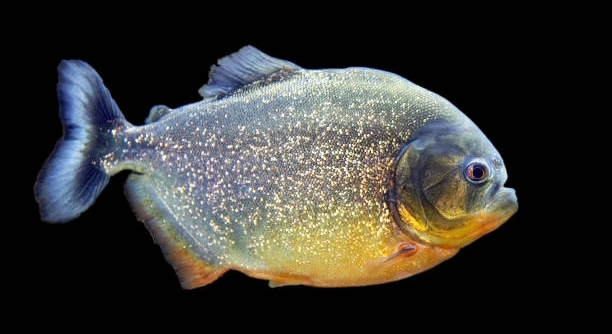
Are your piranhas swimming aimlessly, ignoring the fancy tank accessories you’ve picked out with care and excitement?
Piranhas interact with tank toys that mimic their natural environment, stimulate hunting instincts, or offer hiding spots. Items like floating logs, tunnels, and moving objects are especially useful for encouraging activity and reducing stress in captivity.
From natural-looking shelters to simple floating gadgets, we’ll walk through the items that actually engage your piranhas instead of collecting dust at the bottom of the tank.
Floating Logs and Hollow Driftwood
Floating logs and hollow driftwood are some of the most effective toys for piranhas. These mimic natural shelters found in rivers, offering both cover and comfort. Piranhas use these objects to hide, rest, or stalk from a shaded position. It’s a behavior they display in the wild, and when given these tank features, they often settle more quickly into a new environment. Logs that float slightly under the surface or move gently with the current add another level of interaction, keeping the fish alert and active. It’s a simple way to make your tank feel more alive and dynamic without overloading it with decorations. Choose smooth, aquarium-safe materials that won’t snag fins or introduce toxins into the water. Some hobbyists use pre-soaked natural wood, while others prefer resin replicas for durability. Whichever you pick, ensure it fits the tank size and doesn’t obstruct swimming paths.
Logs provide a space where piranhas can feel secure. This reduces stress and encourages natural behavior like ambush and territorial guarding.
These toys are especially useful in multi-fish tanks, where piranhas need clear boundaries and private zones. If the tank feels too open, aggression may increase. A few well-placed logs make a noticeable difference.
Moving Bubbles and Air Stones
Piranhas tend to follow or nip at bubble streams. Air stones that produce steady or pulsing bubbles offer both entertainment and oxygenation.
Installing a moving bubble feature in your piranha tank adds constant motion and noise, which can help stimulate natural tracking behavior. In the wild, piranhas are alert to even the smallest movement. While they don’t always chase bubbles out of aggression, they often react to the disturbance with brief bursts of attention or swipes. Airstones are especially helpful for younger or less active fish, who may linger near them for both play and improved oxygen levels. You can find bubble wands or discs in various sizes. Some models allow you to adjust the bubble size or pattern, which helps keep the novelty going. Position them in an open section of the tank, away from hiding zones. This makes it easier for the fish to investigate without getting startled or cornered.
Mirror Panels and Reflections
Mirrors can trigger piranhas to display defensive or territorial behavior. A small mirror outside the tank wall will often catch their eye, prompting short bursts of interaction.
When a piranha sees its reflection, it may think another fish is entering its space. This can lead to flaring fins, fast movements, or circling behavior. While it might look aggressive, it’s a natural way for them to stay alert and active. Limit exposure to just a few minutes a day. Too much reflection can lead to stress or exhaustion. Use a mirror that’s easy to place and remove, preferably one that doesn’t distort the image. Some owners place it during feeding time for a short distraction. Make sure to observe how your fish reacts. If it seems agitated or confused, it’s best to skip the mirror and try something else that’s less visually intense.
Overuse of mirrors can create constant tension, especially in small tanks or with nervous fish. Not all piranhas react the same way to reflections. Some ignore them after the first few tries. Others might get too fixated. Watch closely for signs of stress like hiding more often or skipping meals. Use reflections as a short-term toy rather than a permanent fixture.
Feeding Rings and Floating Dispensers
Feeding rings help keep floating food in place, which gives piranhas a clear target and reduces mess. Some will circle the ring and wait before biting.
Floating dispensers and rings turn feeding time into a focused activity. These toys stop food from drifting into filters or corners, which helps keep the tank clean. They also encourage piranhas to track and strike, tapping into their natural habits. Dispensers that slowly release food can stretch out feeding sessions, helping reduce aggression among multiple fish. For larger tanks, try using two or more rings in different areas. This prevents crowding and allows shyer fish to eat without competition. Choose a size that suits your tank and fish—too small, and it might be ignored; too large, and the food might spread too much. Stick with simple designs made from safe materials that are easy to rinse and dry between uses.
Leaf Hammocks and Broad Plants
Broad plastic or silk plants give piranhas a place to rest near the surface. Leaf hammocks mimic large foliage where they can sit still and observe without fully hiding.
These also help young or smaller piranhas feel safer. A calm space up top can reduce pacing and sudden darting.
Submerged Tunnels and Caves
Tunnels and caves give piranhas a way to escape light and movement. These hideouts lower stress and allow them to claim space, especially in shared tanks. When placed properly, they create a more balanced environment. Try stacking or mixing pieces for more complex layouts. Use smooth, fish-safe materials. Piranhas will enter and exit multiple times, often quickly. This back-and-forth behavior is natural and gives them a sense of control. For larger fish, ensure the opening is wide enough so they don’t get stuck. You can place a cave near a log or plant for layered shelter. These toys are useful both day and night.
Hanging Strips and Dangling Toys
Soft hanging strips encourage gentle interaction as piranhas brush past or test them with quick bites. These are best placed in calm corners of the tank.
FAQ
Do piranhas actually need toys in their tank?
Piranhas don’t need toys in the way dogs or cats do, but tank enrichment is still important. Simple items like tunnels, plants, and moving objects help reduce stress and keep the fish active. In nature, piranhas explore complex environments. Bare tanks can lead to boredom or even aggression. Toys offer stimulation, giving them a reason to move around and interact with their space. Without variety, some fish become overly skittish or territorial. So while not essential, tank toys improve their quality of life. Think of them as tools to support healthy habits.
Can toys help reduce aggression between piranhas?
Yes, in some cases. Toys like tunnels, logs, or multiple feeding stations create natural barriers and give each fish its own space. This helps reduce fights, especially in tanks with more than one piranha. When a tank is too open, stronger fish may dominate the space, making others hide constantly. Toys give them places to retreat and establish mini-territories. Just be sure not to overcrowd the tank with decorations. Too many can make swimming difficult. The goal is to create balance—enough features to give structure without blocking movement or causing stress.
What materials are safe for piranha toys?
Look for non-toxic, aquarium-safe materials. Resin, smooth plastic, silicone, and soft rubber are generally safe. Avoid anything with sharp edges or small parts that can break off. If using natural wood, make sure it’s aquarium-grade and free from chemicals or treatments. Boiling or soaking driftwood before adding it to the tank is a good way to remove debris or tannins. Plants should be either real and suited for the tank’s conditions or made of soft, flexible plastic or silk. Avoid metal pieces, as they can rust and pollute the water.
Do piranhas get bored of the same toy?
They can lose interest over time, especially with stationary objects. Switching out or rearranging tank items every few weeks can help keep things fresh. Even moving a log or turning a cave can spark new interest. Bubble toys and dispensers with variable flow or food release patterns tend to hold attention longer. It doesn’t need to be complicated—just offering a slightly different setup now and then is enough to stimulate curiosity. Watch how they interact. If they stop approaching a toy they used to like, try swapping it for something else temporarily.
Are mirrors safe for long-term use?
Mirrors should only be used for short periods. They can trigger territorial or defensive behavior, which might lead to stress if it continues too long. Some piranhas get very fixated on their reflection, constantly pacing or striking at it. A good rule is to limit exposure to just a few minutes a day and observe their reaction. If the fish seems agitated, remove the mirror and don’t use it again. Some owners use mirrors only during feeding or cleaning to distract the fish for a short time. It’s best treated as a temporary toy, not a daily feature.
Can I use toys made for other fish?
Many toys made for other fish, like bettas or cichlids, can be used for piranhas too—if they’re the right size and safe. Just be mindful of durability. Piranhas have strong jaws and might test or bite new items. Avoid anything flimsy or too small, as it could be damaged or swallowed. Check items regularly for signs of wear. Feeding rings, floating logs, and soft plants made for community tanks often work well, but things like small balls or tubes may not hold up. It’s okay to try them—just supervise and remove anything that doesn’t seem right.
How often should I change or clean the toys?
Clean toys during regular tank maintenance. Once every 1–2 weeks is usually enough, depending on how fast algae builds up. Use warm water and a scrubber meant for aquariums. Avoid soap or harsh chemicals, which can leave harmful residue. For items that float or release bubbles, check for buildup or blockages. Replace anything that starts to break down. If you rotate toys every few weeks, it gives you a chance to inspect and clean them more easily. Keeping toys clean helps prevent water quality issues and keeps your fish healthy.
Final Thoughts
Keeping piranhas engaged isn’t just about decoration—it’s about giving them a space that feels natural and safe. Many people assume these fish only need food and clean water, but their behavior shows they benefit from more than that. Simple toys like tunnels, bubble makers, or floating logs help bring out natural habits like hiding, watching, chasing, and guarding. These activities keep their minds and bodies active, which can lead to better health and less stress. It’s not about having a flashy setup, but about picking a few smart additions that support a balanced tank environment.
Some fish will take to a toy right away, while others might ignore it for days. That’s normal. Like any pet, piranhas have individual personalities. What works for one might not work for another. That’s why observation is important. Watch how they react to changes in the tank. Do they explore more? Hide less? Chase bubbles or sit near plants? These signs help you know what’s useful and what isn’t. There’s no need to overload the tank. In fact, a few well-chosen pieces often do more good than many crowded items. Clean them often and rotate them when needed. This keeps the environment interesting without adding stress.
While toys may seem simple, they play a big part in helping your piranhas feel more comfortable and secure. Over time, you may notice changes in how they behave—less aggression, more movement, or even better eating habits. These are small but important signs that your tank setup is helping. Every choice you make, from the size of a tunnel to the position of a bubble wand, can affect their comfort. You don’t need to spend a lot to make a difference. Start with one or two additions and adjust based on what your fish seem to enjoy. Creating a thoughtful space shows respect for your fish and improves their daily life. It’s a quiet part of keeping them—but one that really matters.

Hello,
If you enjoy the content that we create, please consider saying a "Thank You!" by leaving a tip.
Every little bit helps us continue crafting quality advice that supports the health, happiness, and well-being of pets around the world, for pets of all shapes, sizes, and species.
We really appreciate the kindness and support that you show us!