
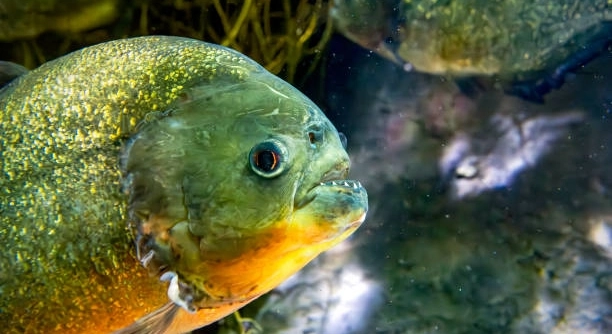
Piranhas experience noticeable changes during their mating season that affect their behavior and appearance. These changes help them attract mates and successfully reproduce. Understanding these shifts offers insight into the life cycle of this often misunderstood fish species.
During mating season, piranhas undergo physical and behavioral modifications, including color changes, increased aggression, specific courtship displays, and alterations in feeding habits. These adaptations facilitate reproductive success and ensure the continuation of their species in challenging environments.
Exploring these changes reveals important details about piranha biology and their unique strategies for survival during reproduction.
Physical Color Changes During Mating Season
Piranhas display vivid color changes when mating season begins. Their usual silver-gray scales turn brighter, often shifting to a deep red or orange around the belly and throat areas. This color transformation serves as a signal to attract potential mates and assert dominance among rivals. The intensity of the color can vary depending on the species and environmental conditions. During this time, the brighter colors help males stand out in murky waters, making them more visible to females. Females are generally drawn to the males with the most vibrant hues, as it indicates health and fertility. Besides color, the fish may develop a slight swelling or change in body shape that enhances their visual appeal. These physical alterations are temporary, lasting only through the breeding period before returning to their normal, less conspicuous appearance.
Color changes during mating are a clear indicator of reproductive readiness and social status among piranhas.
After mating, the bright coloration fades, and the piranhas resume their usual appearance, blending back into their environment to avoid predators.
Increased Aggression and Territorial Behavior
Piranhas become notably more aggressive during mating season. This aggression helps males establish and defend territories crucial for attracting females and protecting eggs. Increased aggression is also directed at other males competing for the same territory or mates. This behavior ensures that only the strongest and most fit males reproduce. The territorial displays include chasing rivals away, making sharp movements, and sometimes biting. Males will prepare nesting sites and guard these areas fiercely. The heightened aggression also influences feeding habits, with piranhas becoming more assertive in securing food to sustain their energy during this demanding period.
The rise in aggression serves both to protect offspring and to maintain dominance in the crowded breeding grounds. This behavior helps maintain a structured environment where mating can successfully occur. Understanding this aspect of piranha behavior reveals their complex social interactions during reproduction and highlights the balance between survival and reproductive success. This aggressive phase, although intense, is crucial for the continuation of their species.
Courtship Displays and Behaviors
During mating season, male piranhas perform specific courtship displays to attract females. These include fin spreading, rapid swimming patterns, and body vibrations. Such behaviors are meant to signal fitness and readiness to mate.
These courtship actions vary between species but generally involve the male showing off his size and strength. Females respond to these displays by choosing the most impressive males, which increases the chance of producing strong offspring. Males may also guard the female during this period to ensure successful fertilization.
Courtship can last several days, with repeated displays and careful positioning near nesting sites. This effort helps establish a bond between the pair and encourages female piranhas to lay eggs in safe locations, increasing the survival rate of their young.
Nesting and Egg Protection
Male piranhas prepare nesting sites by clearing debris and creating shallow depressions on the riverbed. This preparation helps protect the eggs from predators and environmental hazards.
Once the female lays eggs, the male guards the nest aggressively, fending off intruders. He may also fan water over the eggs to provide oxygen and prevent fungus growth. This protective behavior lasts until the eggs hatch, which usually takes several days. The effort invested in nest guarding highlights the importance of parental care in piranha reproductive success.
Changes in Feeding Habits
During mating season, piranhas often reduce their feeding frequency. Their focus shifts to reproduction, making them less interested in hunting or scavenging.
This temporary change helps conserve energy for courtship, territory defense, and nest protection. Feeding resumes normally once mating activities conclude.
Vocalizations and Communication
Piranhas produce sounds like grunts and clicks during mating season. These vocalizations help establish dominance, attract mates, and warn rivals to keep away. Communication through sound plays a key role in coordinating breeding behavior in murky water environments.
Group Behavior Shifts
Piranhas tend to form looser groups or become solitary during mating season. This shift reduces competition and allows males to defend territories effectively. The change in social structure is crucial for successful mating and egg protection.
Hormonal Changes
Hormones increase significantly during mating season, triggering physical and behavioral changes in piranhas. These chemical shifts drive aggression, color changes, and reproductive readiness.
FAQ
What triggers the mating season in piranhas?
Mating season is usually triggered by changes in water temperature and daylight length. Warmer water and longer days signal the start of the breeding period. These environmental cues prepare piranhas for reproduction by activating hormonal changes and altering their behavior to increase mating success.
How long does the mating season last?
The mating season typically lasts several weeks to a couple of months. This period varies depending on the species and location. During this time, piranhas go through various physical and behavioral changes to ensure successful mating and protection of their offspring.
Why do piranhas change color during mating?
Color change is a visual signal to attract mates and show dominance. Brighter colors indicate health and fertility, which makes males more appealing to females. The color shift also helps males establish territorial boundaries and discourage rivals.
Are male piranhas the only ones that change during mating season?
No, while males show the most visible changes like color brightening and aggressive behavior, females may also experience subtle shifts in behavior and physiology to prepare for egg-laying. However, these changes are generally less dramatic.
How aggressive do piranhas get during mating season?
Aggression levels rise significantly, especially in males defending territories or courting females. This aggression includes chasing, biting, and loud displays to ward off competitors. It’s a critical part of reproductive success but usually decreases after the mating period.
Do piranhas eat less during mating season?
Yes, feeding decreases as energy is redirected towards courtship, territory defense, and nest care. Piranhas become more focused on reproduction and less interested in hunting or scavenging. Once mating concludes, their feeding habits return to normal.
What is the purpose of nest guarding?
Nest guarding protects eggs from predators and environmental threats. Male piranhas fiercely defend nesting sites by chasing away intruders and maintaining optimal conditions for egg development. This care increases the survival chances of the offspring.
How do piranhas communicate during mating?
They use sounds like grunts and clicks to signal dominance, attract mates, and warn rivals. These vocalizations are essential in murky water, where visibility is limited. Communication helps maintain territories and coordinate reproductive behavior.
Do piranhas stay in groups during mating season?
Piranhas often become more solitary or form smaller groups during mating season. This behavior reduces competition and allows males to defend their territories more effectively. Group dynamics shift temporarily to support successful reproduction.
What hormonal changes occur in piranhas during mating?
Hormone levels rise, driving physical changes such as color shifts and increased aggression. These chemical signals prepare piranhas for reproduction by influencing their behavior and physiological readiness to mate and protect offspring.
Can environmental changes disrupt piranha mating?
Yes, sudden shifts in water quality, temperature, or habitat can interfere with mating behavior and success. Piranhas rely on stable environmental cues to trigger reproduction, so disturbances may reduce breeding efficiency or delay the mating season.
How do females choose mates?
Females typically select males based on color intensity, size, and the quality of courtship displays. Health and strength are indicators of good genes, so females prefer males that show these traits clearly during the mating season.
Are piranhas dangerous during mating season?
While aggression increases, piranhas generally target rivals rather than humans. Their defensive behavior is focused on competition for mates and territory. It is still wise to exercise caution around breeding areas, but risks to humans do not significantly rise.
What happens after the eggs hatch?
Once the eggs hatch, parental care usually decreases. Juvenile piranhas begin to swim and feed independently. The adults may return to their normal social behavior, and the bright mating colors fade as the reproductive cycle ends.
Do all piranha species show the same mating behaviors?
Most species share common mating behaviors like color change and aggression, but specifics can vary. Some species have unique courtship rituals or nesting habits. These differences reflect adaptations to their particular habitats and ecological conditions.
This FAQ covers the key aspects of piranha behavior during mating season, offering a clearer understanding of their reproductive adaptations and survival strategies.
Final Thoughts
Piranhas undergo many notable changes during their mating season that are crucial for their reproduction. These changes include shifts in behavior, appearance, and social interactions. The increased aggression and vivid color changes help males compete for mates and protect their territory. At the same time, females respond to these signals by choosing strong and healthy partners. This process ensures that the next generation has the best chance of survival. Understanding these natural behaviors provides insight into the life cycle of piranhas beyond their usual reputation.
The period of mating season is demanding for piranhas. Energy that would normally be spent on feeding is redirected toward courtship, nest building, and guarding offspring. Males take on a protective role, creating and defending nesting sites until the eggs hatch. This level of care highlights the importance of parental investment in aquatic species. Though piranhas are often seen as aggressive fish, their breeding behaviors show a more complex side. These actions are essential for the survival and continuation of their species in the wild.
Learning about the mating season of piranhas can change how we view these fish. Rather than focusing only on their sharp teeth and feeding habits, it is important to consider their reproductive adaptations. Their behaviors reflect a balance between survival, competition, and reproduction in their environment. Recognizing these changes deepens our appreciation for their role in aquatic ecosystems. The adaptations they make during this time ensure the health and growth of piranha populations, contributing to the overall balance of their habitats.

Hello,
If you enjoy the content that we create, please consider saying a "Thank You!" by leaving a tip.
Every little bit helps us continue crafting quality advice that supports the health, happiness, and well-being of pets around the world, for pets of all shapes, sizes, and species.
We really appreciate the kindness and support that you show us!