
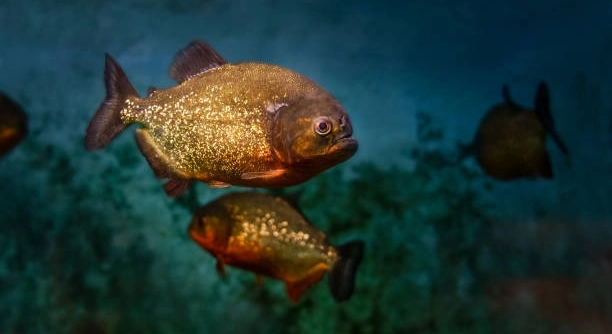
Is your piranha darting around, nipping constantly, or stirring up chaos in the tank more than usual these days?
Overactive behavior in piranhas is often caused by stress, poor tank conditions, or dietary imbalances. Addressing water quality, adjusting lighting, and ensuring proper feeding schedules can help restore calm and support healthier fish behavior.
These quick and simple solutions can bring balance back to your aquarium and help your piranha feel more secure and settled.
Check Your Water Quality First
Poor water conditions are one of the most common triggers for overactive behavior in piranhas. High ammonia or nitrite levels can stress your fish, causing them to dart around or nip more aggressively than usual. Testing your water weekly helps you stay ahead of any changes. Keep ammonia and nitrite at 0 ppm, and maintain nitrate under 40 ppm. Perform partial water changes of 25–30% every week, and use a reliable filter to keep the tank clean. Don’t forget to dechlorinate tap water before adding it. Stable pH and temperature are also important—piranhas thrive at 75–80°F with a pH of 6.5–7.5.
Water issues often cause piranhas to act out. A stable environment supports calmer behavior.
Once water conditions are under control, observe any improvements in their movement and reactions. If they settle down after adjustments, it’s a strong indicator the problem was environmental. This step is simple but often overlooked.
Adjust Lighting and Tank Setup
Sudden or intense lighting can make your piranha feel unsafe. Dim, steady lighting works better.
Piranhas prefer low light because it mimics their natural environment. Bright or fluctuating lighting causes anxiety, leading to overactive behavior. Use adjustable LED lights or dimmers and avoid placing the tank in direct sunlight or near reflective surfaces. Hiding spots are also essential. Driftwood, live plants, and rock caves give your piranha places to retreat and feel secure. Crowded tanks or sparse setups can cause agitation. A 55-gallon tank or larger allows more room to swim without stress. Don’t overcrowd the space with too many decorations either—just enough to offer shelter while leaving room to move freely. Reducing visual stimuli helps your piranha relax, and you may notice a change in behavior within a day or two after modifying the tank’s layout. Creating a calming, well-structured environment makes a noticeable difference.
Review Their Diet and Feeding Habits
Feeding your piranha too little or at inconsistent times can lead to restless and aggressive behavior. Sudden movements or fast swimming may simply be signs of hunger or anticipation of food.
A proper diet helps regulate energy levels and reduces hyperactivity. Feed adult piranhas once a day with a mix of protein-rich foods like shrimp, white fish, and occasional pellets. Avoid feeding live prey, as it can overstimulate them and promote aggression. Stick to a routine—feeding at the same time daily helps your piranha feel secure. Uneaten food should be removed within five minutes to prevent water issues. Monitor how they respond to each feeding session. If they calm down afterward, food was likely the issue. Watch their weight and adjust portion sizes as needed. Feeding habits play a key role in their behavior and should be checked before making other changes.
Young piranhas may need more frequent feedings, usually twice daily, but always in small amounts. They burn energy quickly and may show more active behavior naturally, so it’s important to match feeding frequency with age. Overfeeding leads to bloating and water quality issues, while underfeeding increases stress. Each piranha may show different appetite patterns, so it’s helpful to track what and how much they eat. Keeping a regular schedule makes it easier to notice any shifts. If your piranha stays hyper even after feeding, it may point to another issue beyond diet, such as poor tank conditions or incompatible tank mates. Still, feeding remains one of the first areas to examine.
Limit Outside Distractions
Loud sounds, sudden movements, or people constantly walking past the tank can trigger your piranha to act out. Placing the tank in a quiet, low-traffic area helps reduce stress and supports calmer behavior throughout the day.
Covering one side of the tank or using a background can block unwanted visual stimuli. This helps the fish feel safer and less exposed, especially in busy rooms. Small changes like these make a noticeable difference in how your piranha reacts to its surroundings.
Consider Tank Mates Carefully
Piranhas often do best when kept alone or in a small group of their own kind. Mixing them with other fish, especially faster or more aggressive ones, can cause agitation and territorial stress. If you must keep multiple piranhas, make sure the tank is large enough—at least 20 gallons per fish. Keep hiding spaces and visual barriers available to break lines of sight and reduce conflict. Watch closely for signs of aggression such as chasing or fin nipping. If needed, separate any overly aggressive fish to avoid injury. Compatibility plays a big role in maintaining peace in a shared tank environment.
Give Them Time to Settle
A newly introduced piranha or one that has experienced recent changes may need time to adjust. Avoid making more changes too quickly.
FAQ
Why is my piranha suddenly swimming frantically?
Frantic swimming can be triggered by sudden environmental changes, such as shifts in water temperature, poor water quality, or strong lighting. It may also be caused by loud sounds or quick movements near the tank. Check for ammonia spikes, unstable temperatures, or anything new added to the tank recently. A stressed piranha may swim quickly to escape perceived danger. Observing your fish closely and adjusting one variable at a time can help you pinpoint the cause and calm them down.
Can overfeeding make my piranha overactive?
Yes. While it may seem like more food would slow them down, overfeeding can actually cause restlessness. Digestive discomfort and water pollution from uneaten food both contribute to erratic behavior. Bloating and ammonia build-up make the tank uncomfortable, encouraging swimming outbursts. Feed only what they can consume in a few minutes and remove leftovers promptly. Stick to a regular schedule, as consistency keeps their metabolism balanced and prevents behavioral spikes caused by poor digestion or unstable tank conditions.
How many piranhas should I keep together?
It depends on the species and tank size. Some types, like red-bellied piranhas, can be kept in groups, but they still require a lot of space. A minimum of 20 gallons per fish is needed to reduce stress and aggression. If space is limited, it’s safer to keep one piranha alone. Crowded tanks lead to tension, territorial fights, and hyperactivity. Piranhas may injure or kill each other if there isn’t enough room to establish boundaries. Always monitor group dynamics and be prepared to separate individuals if behavior escalates.
Can tank decorations affect piranha behavior?
Yes. A tank that’s too empty leaves your piranha feeling exposed, while one that’s too cluttered may limit their movement. Balance is key. Use driftwood, rocks, and plants to create hiding spaces without restricting open swimming areas. A well-arranged tank helps reduce stress and allows the fish to feel secure. Visual barriers also prevent constant eye contact between fish, which can cause aggression in group settings. Rearranging the layout occasionally can reset territorial lines, calming tensions if you house multiple piranhas.
What’s the best temperature range for piranhas?
Piranhas thrive in water temperatures between 75–80°F. Staying within this range keeps their metabolism stable and reduces the chance of stress-related behavior. A drop or spike in temperature can cause sudden activity changes or even illness. Use a reliable heater and thermometer to maintain consistency. Check the temperature daily, especially during seasonal changes. Avoid placing the tank near windows or air vents that may cause fluctuations. Keeping the temperature stable contributes to a calmer, healthier fish overall.
Is aggressive behavior always a sign of stress?
Not always. Some aggression is natural for piranhas, especially around feeding time or when defending territory. However, sudden increases in aggression often point to stress, illness, or poor conditions. If your fish are chasing or biting each other more than usual, check tank size, water quality, and diet. Watch for signs of physical damage, hiding, or refusal to eat. These clues often go hand-in-hand with rising aggression. A calm piranha usually has a stable environment, proper food, and enough space.
Can light levels really make a difference?
Absolutely. Piranhas are shy by nature and prefer dim lighting. Too much brightness can leave them feeling exposed and stressed. Bright tanks can lead to fast, darting movements or attempts to hide constantly. Use adjustable lighting and avoid direct sunlight. If your piranha becomes calmer in low light, it’s a sign that bright lights were a problem. Soft, even lighting helps create a more peaceful space, especially when combined with plenty of hiding spots.
Should I worry if my piranha is calm after being overactive?
A sudden return to calm behavior can be positive, but it depends on context. If the tank conditions were recently improved, this change is a good sign. However, if the fish suddenly stops moving after intense activity and also refuses to eat or stays at the bottom of the tank, it may be sick or exhausted. Always look for other signs like breathing rate, appetite, or discoloration. When in doubt, test water parameters and consider consulting an aquatic vet.
Final Thoughts
Managing overactive piranhas can feel challenging at first, but small changes often make a big difference. Observing your fish closely helps you notice patterns in their behavior, which can guide your next steps. Start with the basics—check water quality, feeding amounts, and tank conditions. Often, something as simple as a minor shift in temperature or lighting may be enough to unsettle them. Once those basics are in place, your piranhas usually settle into a more predictable routine. Their reactions are usually tied to their environment, so keeping things consistent is key.
Each piranha may respond differently depending on its personality, size, and social structure. Some may thrive alone, while others do well in groups when given enough space. Watch for signs of stress or tension, especially if you keep more than one. Fast swimming, nipping, or hiding too often can all signal that something needs to change. Try not to make too many adjustments at once. Focus on one fix at a time, like dimming the lights or spacing out feedings. Giving your fish time to adjust reduces the risk of triggering more stress.
In the end, helping your piranhas stay calm is about creating a steady, well-maintained environment. Clean water, steady temperature, the right tank size, and a balanced diet all support healthy behavior. Over time, your piranhas will feel more secure, and their activity level will reflect that comfort. It’s normal for them to be alert and curious, but extreme movements or aggression shouldn’t be a regular part of their day. By staying consistent and paying attention to changes early on, you can enjoy your piranhas without worrying about erratic behavior.

Hello,
If you enjoy the content that we create, please consider saying a "Thank You!" by leaving a tip.
Every little bit helps us continue crafting quality advice that supports the health, happiness, and well-being of pets around the world, for pets of all shapes, sizes, and species.
We really appreciate the kindness and support that you show us!