
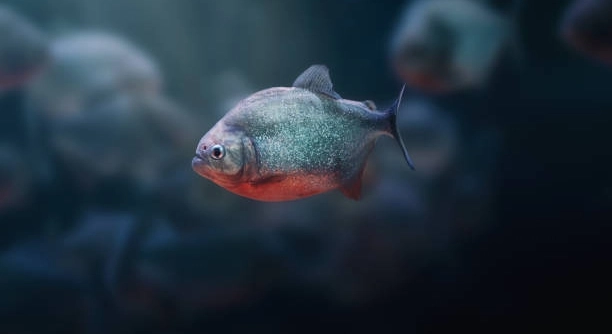
Piranhas are often seen as fierce fish that react quickly to their surroundings. Sudden movements in the water can startle them and cause unusual behavior. Understanding why these fish dislike quick motions helps explain their natural instincts.
Piranhas dislike sudden motion because it triggers their survival response, making them cautious and defensive. Rapid movements suggest potential threats, so they react by retreating or becoming aggressive to protect themselves and their territory.
Knowing these reasons gives better insight into piranha behavior and how they interact with their environment naturally. It helps us appreciate their unique place in aquatic ecosystems.
How Sudden Motion Triggers Their Fight-or-Flight Instincts
Piranhas rely heavily on their senses to survive. When something moves quickly nearby, it sets off an immediate alarm in their brains. This sudden motion signals danger, making them ready to either defend themselves or swim away fast. Their natural environment is full of surprises, so being alert helps them avoid predators and protect their group. This quick response to movement is vital for their survival. In the wild, a fast splash or flash could mean a bigger fish is nearby or a threat is approaching. Because of this, piranhas have developed a low tolerance for sudden changes in their surroundings. It’s not just about being aggressive; it’s about staying alive. Their reaction to sudden movement is a finely tuned defense mechanism that helps keep their population safe and stable.
This strong survival instinct shapes how piranhas behave around any quick motion, making them cautious and reactive in nature.
Knowing this helps explain why sudden movements can provoke unexpected responses, which can seem intense but are actually protective behaviors.
Sensory Sensitivity in Piranhas
Piranhas have highly developed senses to detect movement and changes around them. Their lateral line system senses vibrations, and their sharp eyesight picks up even the smallest motions. These senses work together to give piranhas a clear picture of their environment. This sensitivity means they notice quick actions immediately, often interpreting them as a threat that requires immediate attention. Because of this heightened awareness, sudden motion can cause stress or agitation, leading them to act defensively. It’s part of how they have adapted to live in fast-moving and sometimes dangerous waters where quick reactions are necessary for survival.
Piranhas’ sensory systems make them very aware of their surroundings and quick to respond to sudden changes.
When a rapid movement happens, their senses detect it instantly, causing a swift response to assess if it’s safe or dangerous.
This sensitivity also helps piranhas find food by detecting ripples and vibrations made by potential prey. However, it also means they can be easily disturbed by abrupt motions, which may disrupt their normal behavior. Understanding the role of their senses gives a clearer view of why sudden movement is so impactful for them. Their reaction isn’t random; it’s a result of millions of years of evolution that shaped their ability to survive in their habitat. This awareness helps keep them alert and ready for whatever the water brings.
Sudden Motion Causes Stress in Piranhas
Piranhas experience stress when they detect sudden movement. This stress affects their behavior and overall health if it happens often.
Stress triggers a release of hormones in piranhas, making them more alert and defensive. Over time, repeated stress can weaken their immune system and reduce their ability to hunt or reproduce effectively. Sudden movements in their environment are interpreted as potential threats, causing this stress response to activate frequently. In captivity, constant sudden motions from people or other animals nearby can increase stress levels and lead to unhealthy behaviors like hiding or aggression. Minimizing abrupt movements around piranhas helps maintain their well-being and keeps them calmer.
Stress from sudden motion can also cause erratic swimming and loss of appetite. Piranhas rely on stable conditions to feel secure, so sudden disturbances disrupt their normal routine. Consistent stress impacts their health negatively and can shorten their lifespan if not managed properly. Providing a calm environment helps piranhas thrive and reduces their reaction to sudden movements.
Group Dynamics and Sudden Motion
Piranhas live in groups, and sudden motion affects the whole school, not just individual fish. When one piranha reacts quickly to a sudden motion, others follow, causing a chain reaction.
This collective response helps protect the group from predators but can also lead to chaos if the movement is not dangerous. The sudden burst of activity spreads fast, increasing stress levels for all fish in the group. It is an important survival tactic but can be harmful if triggered too often by harmless disturbances. In tanks or confined spaces, this behavior can be even more intense because the fish have less room to escape. Understanding group dynamics shows how sensitive piranhas are to sudden changes, both individually and as a school. Managing these factors is important to maintain a balanced and healthy group environment.
Sudden Motion Disrupts Feeding Behavior
Sudden movements can interrupt piranhas when they are feeding. This disruption makes them less efficient hunters.
When startled by quick motions, piranhas may stop chasing prey or lose interest in food. This reaction lowers their feeding success and affects their energy levels, especially in the wild where food is not always easy to find.
Sudden Motion Impacts Breeding Activities
Piranhas need calm surroundings to breed successfully. Sudden motion can interrupt courtship and nesting behaviors, reducing breeding chances.
Disturbances from quick movements can cause stress and confusion during mating, making piranhas less likely to engage in reproductive activities. This effect can impact the growth of their population over time.
Sudden Motion Limits Exploration
Piranhas avoid sudden movements when exploring their environment. They prefer steady, predictable surroundings to feel safe.
Sudden Motion Affects Territorial Behavior
Piranhas become defensive when sudden motion occurs near their territory, often responding aggressively to protect their space.
Why do piranhas react so strongly to sudden motion?
Piranhas have evolved to survive in environments where threats appear quickly and without warning. Sudden motion signals danger, such as predators or other fish invading their space. Their brains trigger a fast reaction to protect themselves or their group. This strong response is an important survival skill, helping them avoid harm. Without it, piranhas would be easy targets. Their sharp senses pick up quick movements instantly, so reacting strongly keeps them safe.
Can sudden motion cause lasting harm to piranhas?
Yes, frequent exposure to sudden motion can cause ongoing stress in piranhas. Stress releases hormones that weaken their immune systems and affect their health. Over time, this can lead to poor appetite, less activity, and vulnerability to disease. In captivity, repeated disturbances from fast movements nearby make piranhas nervous and less likely to behave naturally. Creating a calm environment with minimal sudden actions helps protect their well-being and supports a longer, healthier life.
How does sudden motion affect piranha groups differently than individuals?
Piranhas live and move in schools, so one fish’s reaction to sudden motion quickly spreads to the whole group. This group response helps protect them from danger but can also cause panic and chaos if the motion isn’t a real threat. The school may scatter or swim erratically, increasing stress for all fish. In confined spaces, like tanks, this effect is stronger because there’s less room to escape. Understanding this helps when managing piranhas together, ensuring their environment isn’t overly disruptive.
What can I do to reduce stress caused by sudden motion for piranhas in captivity?
To reduce stress, keep the tank environment as stable and calm as possible. Avoid quick movements near the tank, and limit loud noises or sudden light changes. Provide plenty of hiding places and plants so piranhas feel safe. Consistent feeding times and gentle handling also help keep stress low. Observing their reactions can guide adjustments. The goal is to create a peaceful setting where sudden motion is minimal, allowing piranhas to relax and behave naturally.
Do piranhas become more aggressive when startled by sudden motion?
Yes, sudden motion can trigger defensive aggression in piranhas. When they feel threatened, they may flare fins, show teeth, or even bite. This behavior is meant to scare off perceived threats and protect themselves or their territory. While piranhas are often seen as aggressive, this response is mostly about self-defense. Reducing sudden disturbances lowers the chances of aggressive outbursts and promotes calmer interactions among tank mates or nearby fish.
How does sudden motion interfere with piranha feeding?
Piranhas rely on focus and timing to catch their prey. Sudden movement nearby distracts them and breaks their concentration. They might stop chasing prey or lose interest in feeding altogether. In the wild, this can mean missing important meals, affecting energy and health. In captivity, frequent interruptions during feeding times can lead to reduced appetite and stress. Keeping feeding sessions calm and predictable helps piranhas feed better and stay healthy.
Can sudden motion affect piranha breeding success?
Yes, sudden motion negatively impacts breeding because piranhas need quiet, stable conditions to court and lay eggs. Fast movements or disturbances can stress the fish, causing them to delay or abandon breeding efforts. Stress can also reduce fertility and affect parental care. For those breeding piranhas in captivity, controlling sudden movements and creating a calm environment is key to successful reproduction.
Why do piranhas avoid exploring when there is sudden motion?
Exploring is important for piranhas to find food and safe spots. However, sudden motion makes them feel unsafe, so they stay still or hide. This cautious behavior prevents injuries or attacks but limits their ability to discover new resources. A calm environment encourages normal exploration, which helps piranhas remain active and healthy. Reducing sudden disturbances allows them to be more curious and confident in their space.
How do piranhas defend their territory against sudden motion intruders?
When sudden movement enters their territory, piranhas react aggressively to protect it. They may chase or bite the intruder to keep control of their space. This territorial behavior helps maintain order and access to food or mates. Sudden motion triggers these defensive actions quickly because the fish interpret it as a challenge or threat. Keeping the tank or habitat stable reduces unnecessary territorial conflicts caused by abrupt movements.
Piranhas are fish that rely heavily on their instincts to stay safe and survive. Sudden motion in their environment makes them feel threatened and can cause strong reactions. These reactions are not random but are part of how piranhas protect themselves from danger. When they detect quick movements, their bodies prepare to either fight or flee, which is important for their survival in the wild. Understanding this helps explain why piranhas often seem jumpy or aggressive when something moves too fast nearby. Their natural response to sudden motion is a key part of how they live in their habitats.
Stress is another important factor when piranhas react to sudden movements. Frequent disturbances can cause stress, which affects their health and behavior. When piranhas are stressed, they may stop eating, swim erratically, or hide more than usual. Over time, stress can weaken their immune systems, making them more vulnerable to illness. In captivity, it is important to minimize sudden motions around piranhas to help keep them calm and healthy. Providing a stable, quiet environment allows piranhas to behave more naturally and reduces stress-related problems.
Finally, it is important to remember that piranhas are social animals that live in groups. When one fish reacts to sudden movement, others quickly follow, creating a chain reaction. This group response helps protect them but can also cause panic and disruption. For those keeping piranhas in tanks, understanding how sudden motion affects the whole group can help improve care and reduce stress. Overall, respecting their sensitivity to quick movements leads to healthier and more balanced fish. Piranhas are fascinating creatures, and knowing how sudden motion impacts them allows us to better support their natural behaviors.

Hello,
If you enjoy the content that we create, please consider saying a "Thank You!" by leaving a tip.
Every little bit helps us continue crafting quality advice that supports the health, happiness, and well-being of pets around the world, for pets of all shapes, sizes, and species.
We really appreciate the kindness and support that you show us!