
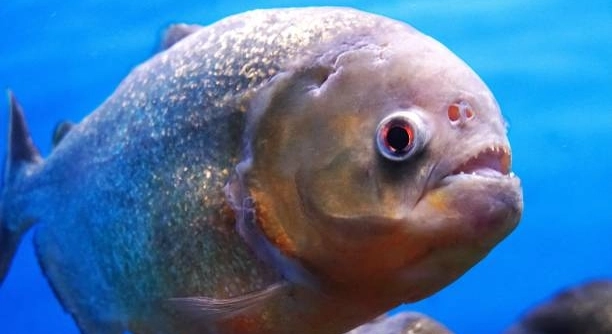
Piranhas are often seen as aggressive fish, but understanding their behavior helps reveal when they actually feel safe. Knowing their signs of comfort can improve how they are cared for and observed in both natural and aquarium environments. This article explores these subtle cues.
Piranhas exhibit several behaviors indicating they feel safe, including relaxed swimming patterns, consistent feeding habits, reduced aggression, and regular social interactions. These indicators reflect a stable environment where stressors are minimized, promoting their overall well-being and natural behavior.
Recognizing these signs is essential for maintaining a healthy environment for piranhas. The following sections provide practical insights to identify when these fish are at ease in their surroundings.
Relaxed Swimming Patterns
When piranhas feel safe, their swimming becomes smooth and deliberate. They tend to glide calmly around the tank or river, without sudden bursts of speed or frantic movements. This steady pace shows they are comfortable in their environment and not on alert for threats. You may notice them swimming in groups or alone but with a calm demeanor. They explore their surroundings with curiosity rather than fear. When stressed, piranhas dart quickly or hide, but safe fish display more fluid, unhurried motions. These patterns are a good initial sign that the environment is stable and non-threatening.
These calm swimming behaviors suggest that the piranhas perceive the area as safe and are less likely to react aggressively.
Observing relaxed swimming is one of the most visible signs that piranhas feel secure. It indicates low stress and proper conditions, which help support their health and natural habits over time.
Consistent Feeding Habits
Piranhas that feel secure will eat regularly and confidently. They approach food quickly and show interest without hesitation. Feeding times become predictable, and the fish do not scatter or hide when food is introduced. Consistency in appetite shows that they trust their environment and caretakers. If a piranha avoids food or acts nervous, it might be a sign of stress or discomfort.
When piranhas feel safe, their eating behavior is steady and reliable.
Feeding is an essential part of piranha care, and their response to food reveals much about their emotional state. Consistent feeding habits reflect a sense of security, allowing them to focus on nourishment rather than survival. Providing a stable feeding routine and minimizing sudden changes in diet or environment encourages this behavior. Over time, attentive observation of their feeding patterns will help in understanding their comfort levels. Ensuring proper water quality and a calm setting supports their willingness to eat regularly. Maintaining these conditions is crucial for piranhas’ health and growth.
Reduced Aggression
Piranhas feeling safe show less aggressive behavior. They do not flare their teeth or chase others unnecessarily.
When piranhas are secure, their interactions with tank mates or wild companions become calmer. Aggression is limited to occasional dominance displays rather than constant fighting. This reduction means the fish are not stressed or competing intensely for resources. In contrast, anxious piranhas may constantly threaten others or bite, signaling discomfort.
Maintaining a peaceful environment with proper space and hiding spots helps reduce tension. This encourages calmer behavior, showing that piranhas feel safe. Monitoring aggression levels can serve as an important indicator of their well-being over time.
Regular Social Interaction
Piranhas that feel secure often engage in social behavior with their group. They swim close together and communicate through body language.
These interactions show they trust their surroundings and each other. Social bonds reduce stress and promote a healthy environment. Without constant fear, piranhas display natural schooling and coordinated movement, which also helps protect them from predators. Lack of social interaction or isolation can indicate stress or poor conditions.
Providing an environment that encourages group living and reduces threats supports social behavior. Observing regular social interaction is a key sign piranhas feel safe and well cared for.
Calm Body Language
Piranhas that feel safe hold their fins relaxed and keep their bodies steady. Their posture is neither tense nor defensive.
They avoid sudden jerks or flaring, signaling that they do not feel threatened. This calm body language reflects comfort within their environment.
Regular Breathing Patterns
Piranhas display slow, steady breathing when they are at ease. Rapid gill movements often indicate stress or discomfort. Monitoring breathing helps assess their emotional state and overall health.
Staying in Open Areas
When piranhas feel safe, they spend more time swimming in open water rather than hiding. This behavior shows confidence in their surroundings and a lack of fear of predators or disturbances.
FAQ
How can I tell if my piranhas are stressed?
Signs of stress in piranhas include erratic swimming, hiding frequently, loss of appetite, and increased aggression. Rapid breathing or flaring fins are also common. These behaviors indicate discomfort or an unstable environment, which can harm their health if not addressed promptly.
What environment helps piranhas feel safe?
Piranhas thrive in spacious tanks or natural waters with plenty of hiding spots and stable water conditions. Maintaining proper temperature, pH, and cleanliness reduces stress. Avoid overcrowding and sudden changes, as these can trigger fear or aggression. A calm setting encourages natural behaviors.
Can piranhas live peacefully with other fish?
Piranhas are naturally aggressive, especially when stressed, but they can coexist with certain species if the tank is large enough and conditions are stable. However, mixing them with smaller or slow-moving fish is risky, as piranhas may see them as prey.
How often should I feed my piranhas?
Feeding should be consistent, usually once or twice daily, with a diet including fresh meat, fish, or specialized pellets. Overfeeding can cause water quality issues and stress, while underfeeding weakens the fish. Watch their feeding response as a sign of comfort.
What should I do if my piranhas are hiding all the time?
Constant hiding can mean stress or illness. Check water parameters and tank setup. Ensure there are enough hiding places but not so many that fish feel trapped. Reduce noise and disturbances, and observe for signs of sickness to treat promptly.
How important is water quality for piranha safety?
Water quality is critical. Poor water can cause stress, disease, and aggressive behavior. Regular testing and water changes keep parameters stable. Clear, oxygenated water supports healthy breathing and feeding patterns, helping piranhas feel safe and secure.
Do piranhas need companions to feel safe?
Piranhas are social but territorial. A small group can promote natural behavior and reduce stress. However, overcrowding leads to aggression. Balance the number of fish with tank size, providing enough space for each individual to feel comfortable.
What are common signs that piranhas feel safe?
Calm swimming, regular feeding, reduced aggression, steady breathing, relaxed fins, social interaction, and spending time in open water all indicate a safe and comfortable environment for piranhas.
How does lighting affect piranha behavior?
Moderate lighting mimics natural conditions and helps piranhas feel secure. Bright or flashing lights can cause stress and hide behavior. Providing shaded areas or plants allows fish to retreat and reduces anxiety.
Can sudden changes in environment cause piranhas to feel unsafe?
Yes. Changes like new tankmates, water parameter shifts, or relocation can trigger stress responses. Gradual introductions and stable conditions help maintain their sense of safety and encourage natural behavior.
Final Thoughts
Understanding whether piranhas feel safe is important for their care and well-being. These fish show clear signs when they are comfortable, such as calm swimming, steady feeding, and reduced aggression. Recognizing these behaviors helps in maintaining a healthy environment where piranhas can thrive. Paying close attention to how they act in their surroundings allows caretakers to respond to their needs properly and prevent unnecessary stress.
Creating a stable habitat with proper water quality, enough space, and suitable hiding places supports the safety and comfort of piranhas. Regular feeding routines and consistent conditions contribute to their sense of security. Avoiding sudden changes and minimizing disturbances further helps the fish feel at ease. Safe piranhas display natural behaviors, social interactions, and steady breathing, which all indicate good health and reduced stress. This balance is essential for keeping them active and healthy over time.
In summary, observing piranhas carefully and providing the right environment are key to ensuring they feel safe. These signs are straightforward and can guide anyone caring for piranhas to make informed decisions. Focusing on their behavior rather than just appearance offers a clearer picture of their well-being. A calm and secure piranha is more likely to live a longer, healthier life, making the effort to understand these signals worthwhile.

Hello,
If you enjoy the content that we create, please consider saying a "Thank You!" by leaving a tip.
Every little bit helps us continue crafting quality advice that supports the health, happiness, and well-being of pets around the world, for pets of all shapes, sizes, and species.
We really appreciate the kindness and support that you show us!