
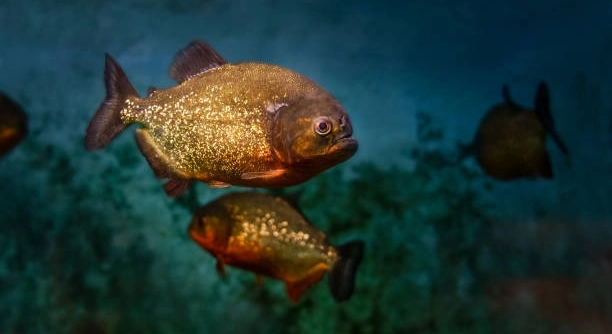
Do your piranhas often act skittish or hide more than usual, making it hard to enjoy their bold personalities in the tank?
Piranhas experience anxiety from poor tank conditions, limited hiding spaces, inconsistent lighting, and environmental disruptions. Addressing these specific factors can significantly reduce their stress and help them maintain healthy behavior in captivity.
Creating a calm environment helps piranhas feel safe and act naturally. The tips ahead offer simple ways to reduce stress and support your fish’s comfort.
Provide Consistent Water Parameters
Stable water conditions help piranhas feel secure. Fluctuating temperature, pH, or ammonia levels can create stress, leading to erratic behavior or hiding. Use a reliable heater and check temperature daily to keep it between 75°F and 80°F. Maintain pH levels around 6.5 to 7.5, and test weekly to catch any changes early. Regular water changes—about 25% every week—can prevent the build-up of harmful substances like nitrates. Avoid overfeeding, as decaying food adds to water pollution. Invest in a quality filtration system with strong biological filtration to maintain a stable and clean environment. Limit sudden changes during cleaning or maintenance, and always condition tap water before use. Piranhas respond well to consistency, and steady water quality reduces stress, supports immunity, and improves their overall behavior in the tank.
A stressed piranha often stays hidden or refuses food. Balanced water conditions help them swim freely and eat without fear.
Clean water gives piranhas a sense of safety. The more predictable their environment, the less likely they are to panic or act defensively. Routine monitoring may feel repetitive, but it plays a big role in reducing anxiety. Small efforts each week create long-term comfort for your fish.
Offer Plenty of Hiding Spaces
Tank setups without hiding places can leave piranhas feeling exposed. They need shaded areas to rest and feel secure.
Use driftwood, rocks, and artificial plants to create cover. Caves, tunnels, or dark corners in the tank can make a big difference in how relaxed your piranhas feel. Spread out the hiding spots to prevent territorial disputes, especially if you have more than one piranha. While they are often bold, piranhas still appreciate somewhere quiet to retreat. Avoid bright lighting directly above their favorite spots—opt for soft, indirect light or floating plants to add shade. Rearranging décor too often can cause stress, so once your piranhas choose their favorite spots, keep those areas stable. When piranhas feel hidden and safe, they are more likely to show natural behaviors like schooling or exploring the tank without fear. A secure environment does not just lower stress—it helps create a more active and healthy fish overall.
Minimize Sudden Movements Around the Tank
Fast hand movements or sudden activity near the tank can startle piranhas. This can trigger fear responses and make them more nervous over time. Try to move slowly and calmly when feeding or performing maintenance.
Piranhas are sensitive to changes in their environment. Loud noises, fast footsteps, or abrupt movements near the tank can cause stress and lead to skittish behavior. If your tank is in a high-traffic area, try placing a background on the rear and sides to block outside activity. Avoid tapping the glass, even if it seems harmless—it only heightens anxiety. When doing water changes or rearranging the tank, use slow, deliberate movements. Train children or guests to approach the tank gently. The calmer the environment around the tank, the more likely piranhas are to remain calm inside. Keeping external stress low plays a big role in making them feel at ease.
This habit becomes especially important during feeding times. If they feel startled or unsafe, piranhas may reject food or begin associating feeding with stress. Over time, this can affect their health. Move slowly when opening the lid, adding food, or checking equipment. Gradual movement builds trust. Calm surroundings encourage consistent eating and reduce anxious behavior.
Maintain a Regular Feeding Schedule
Piranhas feel more secure when their feeding routine is predictable. Skipping meals or feeding at random times can cause uncertainty, leading to stress and even aggression in some cases. Stick to a consistent time each day.
Feeding them once or twice a day at the same time can help regulate their behavior. Avoid overfeeding, as it can pollute the water and lead to health issues. Watch how much they eat in a few minutes and remove any leftovers. Use quality protein-rich foods like fish fillets, shrimp, or pellets designed for carnivores. Try to keep the tank calm during feeding. Sudden activity or lighting changes while they eat can cause them to panic and stop. If you’re away from home regularly, consider using an automatic feeder. Predictability gives them something to rely on. When they know food is coming at a regular time, it lowers their anxiety and helps keep their health stable.
Limit Reflections in the Glass
Piranhas can mistake their reflection for another fish, leading to stress or aggression. This is especially common in tanks with strong lighting or clear backgrounds. Adding a background or adjusting the angle of lighting helps reduce this issue.
Dark or matte-colored tank backgrounds work best. They cut down on light bounce and help reduce visible reflections during the day. Keeping the tank light consistent and avoiding direct sunlight also helps.
Keep Tank Mates Compatible
Piranhas do best either alone or with other piranhas of similar size and temperament. Adding the wrong fish can cause tension or stress.
Avoid fast swimmers, fin-nippers, or overly active species that might trigger aggression. If keeping multiple piranhas, ensure enough space—about 20 gallons per fish. Group them while young, if possible, and watch for bullying or signs of stress. Rearranging decorations occasionally can reset territory disputes. When piranhas feel overcrowded or challenged, they may stop eating or stay hidden. Choosing tank mates carefully, or even keeping them alone, can help reduce unnecessary anxiety. Peaceful surroundings help them stay more relaxed and active.
Avoid Bright, Harsh Lighting
Piranhas prefer dim or soft lighting. Harsh lights can make them feel exposed and nervous. Use adjustable lighting or floating plants to provide shade and create a calmer space for them to rest.
FAQ
Can piranhas get stressed from being alone?
Yes, some species of piranhas—like red-bellied piranhas—are social and feel more secure in small groups. However, they still need enough space to avoid aggression. A single piranha in a large, calm tank may do just fine if conditions are stable. It depends on the species and tank setup.
How can I tell if my piranha is anxious?
Signs include hiding more than usual, sudden darting, skipping meals, or rubbing against tank surfaces. Skittish behavior when you approach the tank is also common. These signs usually mean the fish feels unsafe or uncomfortable with something in its environment.
Should I use a tank background to reduce anxiety?
Yes. Solid backgrounds, especially dark ones, can help piranhas feel safer. It blocks outside movement that can make them feel exposed or threatened. It also cuts down on reflections, which can cause unnecessary stress or aggression.
Is a bubbler or strong current bad for piranhas?
Moderate water movement is fine, but strong currents can make them feel unsettled. Piranhas prefer calm water with gentle flow. Use a filter that doesn’t create excessive turbulence, or angle it toward a tank wall to diffuse the current.
Do piranhas like live plants in their tank?
They don’t depend on plants, but adding them can help reduce stress. Plants provide cover and break up sight lines, making piranhas feel less exposed. Choose hardy plants or artificial ones if real plants are difficult to maintain in your setup.
How often should I clean the tank to reduce anxiety?
Weekly partial water changes of 20–30% are ideal. Clean substrate and remove waste, but avoid over-cleaning or sudden changes. Stable water conditions reduce anxiety. Use a test kit to monitor ammonia, nitrite, nitrate, and pH levels regularly.
Do sudden changes in temperature stress piranhas out?
Yes. Piranhas need a stable temperature around 74–82°F (23–28°C). Sudden drops or rises can shock their system. Use a reliable heater and thermometer. Even small daily fluctuations can affect their mood and activity levels.
Is it better to keep the tank in a quiet room?
Definitely. Piranhas react to loud sounds and vibrations. A calm, low-traffic room without constant noise helps them stay relaxed. Avoid placing their tank near speakers, slamming doors, or areas with constant foot traffic.
Can changing the tank layout help reduce aggression or anxiety?
Yes. Rearranging decorations or adding hiding spaces can break up territories and reduce tension among multiple piranhas. It also gives them new places to explore, which helps keep them mentally stimulated without overwhelming them.
What should I do if my piranha stops eating?
First, check the water conditions and temperature. Stress, poor water quality, or changes in lighting can cause appetite loss. Try offering food during low-activity times or reducing tank stress. If it continues, rule out illness with a vet or aquatic expert.
Are sudden lighting changes bad for piranhas?
Yes. Flipping lights on and off too quickly can startle them. Use dimmers, timers, or turn on room lights first before switching on the tank light. Gradual lighting changes help keep them calm and reduce shock.
Do piranhas need complete darkness at night?
They don’t need pitch black, but very low light helps them rest. Avoid bright night lights or nearby screens. If your room has ambient light at night, floating plants or tank covers can help block some of it.
Can I hand-feed my piranha to build trust?
It’s not recommended. While some owners do it safely, it increases the risk of bites and adds tension for the fish. Use feeding tongs or drop food gently into the water to avoid creating excitement or fear.
How important is tank size in preventing stress?
Very important. Cramped tanks increase tension and aggression. For one adult piranha, aim for at least 40–50 gallons. For groups, allow 20 gallons per fish or more. More space means better water quality and fewer territorial issues.
Is it normal for piranhas to hide often?
Yes, especially if they are new to the tank or feel exposed. Give them hiding spots using driftwood, plants, or caves. Over time, if they feel secure, they may become more visible and active, especially during feeding times.
Final Thoughts
Tank anxiety in piranhas is more common than many people realize. These fish may seem tough, but they are sensitive to their environment. Things like water quality, loud noise, and poor lighting can cause them stress. Even small issues, such as a lack of hiding spots or too many tank mates, can affect their behavior. When stressed, piranhas may hide all the time, stop eating, or even become more aggressive. That’s why it is important to set up their tank carefully from the beginning and make small adjustments if you notice changes in their behavior. A calm and secure environment makes a big difference in how your piranha acts and feels.
Making a few changes to your setup can improve your piranha’s comfort and reduce anxiety. Adding plants, dimming the lights, lowering strong currents, or giving them a dark background can help them feel more relaxed. If you keep more than one piranha, providing enough space and creating separate areas can reduce tension. Checking water quality every week is also helpful. Even temperature changes of just a few degrees can affect them. Piranhas do best when their environment is stable. They don’t need too many decorations or fancy filters, but they do need consistency. Small steps can go a long way when it comes to their well-being.
It’s important to observe your piranha regularly. Watch how they move, eat, and react to you. If you notice them acting differently, something may be bothering them. Responding early helps prevent bigger problems later. With the right setup, your piranha will show natural behaviors, explore their tank, and eat without hesitation. Owning a piranha isn’t just about feeding them—it’s about making sure they feel secure and calm in their space. When their needs are met, they’re more enjoyable to watch and easier to care for. Tank anxiety isn’t always easy to spot, but understanding the signs and making simple changes will keep your piranha healthier and less stressed over time.

Hello,
If you enjoy the content that we create, please consider saying a "Thank You!" by leaving a tip.
Every little bit helps us continue crafting quality advice that supports the health, happiness, and well-being of pets around the world, for pets of all shapes, sizes, and species.
We really appreciate the kindness and support that you show us!