
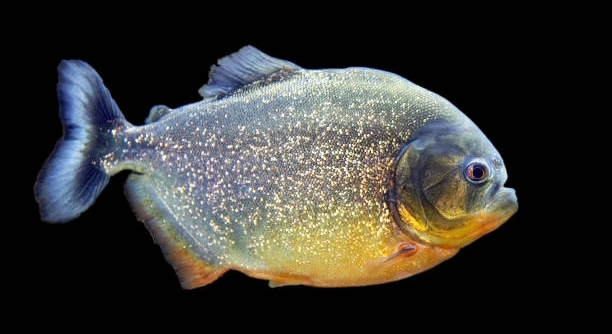
Uneven growth in piranhas is a common concern among fish keepers. Various factors can cause some fish to grow faster or slower than others. Recognizing these causes is important for maintaining a healthy aquarium environment.
Uneven piranha growth primarily results from differences in nutrition, water quality, genetics, and tank conditions. Inadequate feeding, overcrowding, poor water parameters, and stress contribute to growth disparities among individuals in the same habitat.
Identifying these causes helps improve care and promotes balanced development in your piranha population. This article outlines seven common factors to watch for.
Inconsistent Nutrition
Piranhas require a balanced diet to grow evenly. When some fish get more food or better quality nutrition than others, growth differences become noticeable. Overfeeding certain individuals or feeding only specific fish can cause uneven development. It is essential to provide adequate food portions that reach every fish. Nutritional deficiencies or feeding only pellets without variety can also slow growth in some piranhas. Including fresh or frozen foods like small fish, insects, or shrimp helps meet their dietary needs and supports steady growth. Consistent feeding schedules and careful monitoring improve overall health and reduce size differences.
Feeding unevenly or providing a limited diet often leads to competition and stress, affecting slower-growing fish negatively. Ensuring all piranhas have access to food reduces growth gaps.
Paying close attention to diet and feeding habits is the first step to balancing growth rates. Adjusting feeding techniques and diet variety will promote stronger, healthier piranhas with more uniform sizes.
Water Quality and Environment
Poor water conditions greatly impact piranha growth. Factors like high ammonia, nitrite, and nitrate levels harm fish health and stunt growth. Maintaining proper pH, temperature, and oxygen levels is crucial for their development. Frequent water changes and using quality filtration prevent toxic buildup and support stable conditions. Overcrowded tanks increase waste and reduce oxygen, adding stress that slows growth. Keeping a clean environment reduces illness risk and supports stronger growth.
Monitoring water parameters regularly is essential for healthy piranhas.
Proper water quality management ensures a healthy environment that supports even growth. Stable conditions reduce stress and illness risks. Overcrowding should be avoided to prevent competition for oxygen and space. Maintaining clean water with balanced chemical levels creates a better habitat, promoting consistent growth rates. Regular testing and filtration upkeep are necessary for long-term health. An appropriate tank size helps reduce stress and gives each piranha enough room to thrive. Together, these factors support balanced development across the entire group.
Genetic Variation
Genetics play a significant role in piranha growth differences. Some fish naturally grow faster or larger due to inherited traits. These variations can cause uneven sizes within the same tank despite similar care.
Even with perfect conditions, genetic diversity leads to size differences. Some piranhas are predisposed to be smaller or slower growing. Selective breeding may reduce these gaps but cannot eliminate them entirely. Understanding genetic factors helps set realistic expectations about growth patterns. Accepting this natural variation is important when managing a group of piranhas.
Genetic variation should be considered alongside environmental factors. Balanced care supports healthy growth for all fish, but genetics influence individual potential. Keeping this in mind prevents frustration over uneven sizes and promotes better tank management decisions.
Stress and Social Hierarchy
Stress greatly affects growth rates in piranhas. Dominant fish often intimidate or bully weaker ones, limiting their access to food. This social hierarchy causes slower growth in less dominant individuals. Reducing stress improves overall development.
Stress triggers physical and behavioral changes that reduce appetite and slow metabolism. Aggressive behavior within the tank can cause injury or constant fear. Providing enough space and hiding spots lowers conflict and stress levels. Separating overly aggressive fish or adjusting stocking density also helps reduce tension. A calm environment promotes more equal feeding opportunities and growth.
Social structure impacts growth beyond just food availability. Constant stress drains energy needed for healthy development. Managing aggression and stress through tank setup and population control supports balanced growth and healthier fish. Attention to these factors leads to improved well-being and reduces size disparities.
Tank Size and Space
A small tank limits piranhas’ movement and growth potential. Crowded conditions increase stress and competition, causing uneven development. Providing enough space is essential for balanced growth.
Larger tanks reduce aggression and improve water quality. Giving piranhas room to swim helps all individuals grow more evenly and stay healthier.
Disease and Parasites
Illness and parasites affect piranhas’ ability to grow properly. Infections drain energy and reduce appetite, slowing growth. Early detection and treatment are vital to prevent long-term effects. Maintaining clean water and monitoring fish regularly helps reduce disease risks and supports consistent development.
Feeding Frequency and Method
Feeding piranhas irregularly or using improper methods can cause growth differences. Consistent feeding schedules with appropriate portions ensure all fish get enough nutrition. Using feeding rings or distributing food evenly minimizes competition and promotes balanced growth.
Water Temperature
Water temperature directly influences piranhas’ metabolism and growth rate. Temperatures too low slow metabolism and growth, while too high increase stress. Maintaining a stable, optimal temperature supports healthy and uniform development.
FAQ
Why are some of my piranhas growing slower than others?
Growth differences are often caused by uneven access to food, stress from tank mates, genetics, or poor water quality. Some piranhas naturally grow slower due to inherited traits. Overcrowding or insufficient nutrition also impacts development. Improving feeding practices, water conditions, and reducing stress helps promote more even growth.
How can I ensure all my piranhas get enough food?
Feed smaller portions several times a day rather than one large feeding. Use feeding rings or spread food throughout the tank to reduce competition. Observe feeding behavior and adjust portions to make sure every fish is eating adequately. This reduces dominance by aggressive individuals and supports balanced growth.
What water conditions are best for piranha growth?
Maintain clean water with ammonia and nitrite levels near zero, nitrate below 20 ppm, and stable pH between 6.5 and 7.5. Keep temperature around 75–80°F (24–27°C). Regular water changes and good filtration are essential. Stable, clean water reduces stress and supports healthy growth.
Can tank size really affect how piranhas grow?
Yes. Smaller tanks restrict movement and cause stress due to crowding. This increases competition for food and oxygen, which slows growth in weaker fish. Providing a tank size of at least 55 gallons for a small group reduces stress and allows piranhas to develop more evenly.
What role does stress play in piranha growth?
Stress weakens the immune system and lowers appetite, slowing growth. Social dominance and bullying create stress for less dominant fish. Reducing aggression by providing hiding spaces and avoiding overcrowding helps maintain a calm environment and supports better growth rates.
How often should I feed my piranhas?
Feed adult piranhas once or twice daily with measured portions. Juveniles may require more frequent feedings, up to three times daily. Consistency is key to maintaining steady growth. Avoid overfeeding, as leftover food can harm water quality.
Can disease cause uneven growth in piranhas?
Diseases and parasites consume energy and reduce appetite, causing slow or stunted growth. Early detection through regular observation and quarantine of new fish is important. Treat illnesses promptly to minimize long-term growth problems.
Does genetics influence piranha size?
Genetics determine maximum growth potential and natural size variations. Even with optimal care, some fish will remain smaller or grow slower due to inherited traits. Selective breeding may reduce variation, but genetics cannot be changed.
What temperature is best for piranha growth?
Maintain a stable temperature between 75°F and 80°F (24–27°C). Temperatures outside this range stress fish and disrupt metabolism. Too cold slows growth; too warm increases stress and illness risks.
How do I reduce aggression in a piranha tank?
Provide ample space, hiding spots, and visual barriers. Avoid overcrowding and remove excessively aggressive fish. Spreading out feeding locations also minimizes conflict. A well-structured tank environment supports calmer social behavior and promotes even growth.
Final thoughts on uneven piranha growth highlight the importance of multiple factors working together to support healthy development. Growth differences are rarely caused by a single issue. Instead, they result from a combination of genetics, nutrition, tank environment, water quality, and social dynamics. Addressing only one aspect may not fully resolve the problem. A careful balance of proper feeding, clean water, enough space, and stress reduction is essential for more consistent growth among your piranhas.
It is important to remember that some variation in size is natural due to genetics. Even with ideal conditions, individual fish may grow at different rates. Managing expectations can help reduce frustration when some piranhas appear smaller or slower growing. Focus on providing a stable and healthy environment that supports all fish as best as possible. Regular monitoring of water parameters, feeding routines, and fish behavior allows for early detection of problems and timely corrections. This approach creates the best chance for balanced and healthy growth across the tank.
In summary, consistent care is key. Proper nutrition distributed evenly, good water quality maintained through regular changes and filtration, sufficient tank size to reduce crowding, and minimizing stress from aggression all contribute to better growth rates. Paying attention to these factors will improve the well-being of your piranhas and help reduce uneven growth. While genetic differences remain, following these guidelines can create a more balanced and thriving aquarium. This careful management supports the health and longevity of your fish and creates a more enjoyable experience caring for them.

Hello,
If you enjoy the content that we create, please consider saying a "Thank You!" by leaving a tip.
Every little bit helps us continue crafting quality advice that supports the health, happiness, and well-being of pets around the world, for pets of all shapes, sizes, and species.
We really appreciate the kindness and support that you show us!