
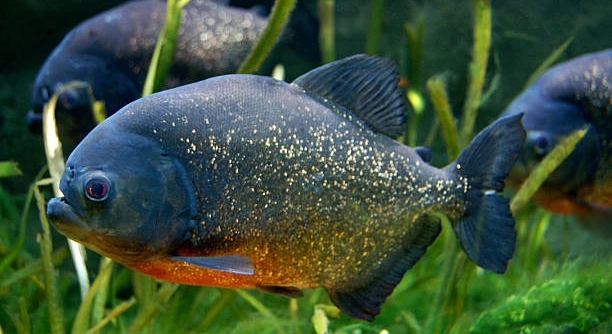
Are your piranhas not thriving the way you expected, or is your tank setup causing more stress than success for your fish?
The key to piranha tank success lies in seven essential elements: water quality, tank size, proper filtration, lighting, temperature, diet, and enrichment. Each factor contributes significantly to the health, behavior, and longevity of your piranhas.
These core elements form the foundation of a healthy, low-stress environment that allows your piranhas to thrive and display natural behaviors.
Water Quality Matters Most
Piranhas need stable, clean water to survive and thrive. Ammonia, nitrites, and nitrates should be tested regularly, and any imbalance should be corrected immediately. Use a good quality water testing kit and monitor levels weekly. Partial water changes, about 25–30% weekly, help remove waste buildup and replenish minerals. Avoid sudden temperature or pH swings. Keep the pH between 6.5 and 7.5 and maintain water temperature around 75–80°F. Using a dechlorinator and treating tap water before adding it to the tank is essential. Good water quality helps reduce stress and keeps your piranhas healthy and active.
Test water at the same time each week and record the results to spot trends. Stable water keeps your tank balanced.
If water conditions are poor, piranhas can become lethargic, lose their appetite, or fall ill. Clean water helps prevent infections, improves their color, and encourages natural behavior. It also reduces aggressive outbursts and territorial behavior.
Space and Tank Size
Piranhas need space to swim freely and to establish their own territory. A cramped tank leads to stress and increased aggression.
For a small group of piranhas, start with at least a 75-gallon tank. Each additional fish needs about 20 extra gallons. A spacious tank helps reduce fights and injuries caused by overcrowding. Horizontal swimming space is more important than height. Use a tank with a wide footprint to allow for natural movement. Add hiding spots with driftwood or plants to break the line of sight and give them places to rest. Avoid sharp decorations. Overcrowding leads to water quality issues and aggressive behavior, especially during feeding. With the right tank size, your piranhas are more likely to coexist peacefully and show less stress-related behavior. Keep a tight-fitting lid as piranhas can jump when startled. Adequate tank size and smart layout support a healthier, more stable environment.
Filtration and Water Flow
Strong filtration helps keep ammonia and waste under control. Piranhas produce a lot of waste, so a filter rated for double your tank size is best. Use both mechanical and biological media to maintain stable water conditions and reduce cleaning frequency.
Canister filters are ideal for piranha tanks because they offer strong flow and excellent filtration capacity. Keep the flow moderate to avoid stressing your fish. Too much current can make it hard for them to swim and rest. Place filter outlets so water moves gently across the tank. Clean filter media regularly, but avoid washing biological media in tap water, which can kill beneficial bacteria. Instead, rinse it in old tank water. Always monitor flow after cleaning, and make sure water circulation reaches all areas. This keeps debris from collecting and ensures healthy oxygen levels. Strong, stable filtration keeps the environment safe and reduces disease risk.
Uneven flow in the tank can lead to dead spots where waste collects and bacteria thrive. Position decorations to help guide water movement. Avoid placing large objects directly in front of the filter outlet. Adjust water return lines as needed to reach every corner. This small change can improve tank cleanliness and piranha comfort.
Temperature and Lighting
Piranhas do best in water temperatures between 75°F and 80°F. Use a reliable heater with a built-in thermostat to prevent fluctuations. Sudden drops in temperature can cause stress or illness. Keep a thermometer in the tank for quick checks.
Avoid strong lighting, which can cause stress and make piranhas hide more. Use dim or subdued lighting to mimic their natural river habitats. Low light encourages more natural movement and feeding behaviors. Set lights on a timer to maintain a steady day-night cycle. Sudden changes in light can startle them and lead to injury from panic swimming. If using tank plants, pick low-light species that do not require bright lighting. For nighttime viewing, consider using a soft blue moonlight LED. This allows observation without disturbing their routine. Proper lighting and stable temperature both help reduce stress and support a calm, consistent environment.
Feeding and Diet
Piranhas need a balanced diet to stay healthy. Offer a mix of high-quality pellets, frozen fish, shrimp, and occasional vegetables. Feed once a day, removing uneaten food quickly to avoid water contamination.
Avoid feeding live prey, as it can introduce disease and cause aggressive behavior. Stick to safe, prepared foods.
Enrichment and Hiding Spots
A plain tank can lead to boredom and stress. Add driftwood, smooth rocks, and hardy plants to create hiding spots and break up open space. This helps reduce aggression and gives your piranhas areas to rest and explore. Rearranging décor occasionally keeps them mentally stimulated.
Tank Mates
Avoid keeping piranhas with smaller or slower fish. Even peaceful tank mates can trigger territorial or predatory behavior. If housing piranhas together, ensure enough space and watch for signs of bullying.
FAQ
How many piranhas should I keep together?
Piranhas are social but can also become aggressive without enough space. A group of 4 to 6 red-bellied piranhas is common, but you’ll need at least a 75 to 100-gallon tank for that number. Each extra fish should have 20 more gallons of space. When kept alone, a piranha can become skittish and stressed. In groups, they feel more secure but may become aggressive if space is tight or food is limited. Monitor their behavior regularly. Remove any fish that shows signs of injury or constant aggression to prevent fights and further injury.
Can piranhas live with other fish?
It’s risky to keep piranhas with other fish. They may ignore tank mates at first, but this can change suddenly. Even fast or semi-aggressive species can be injured or eaten. If you do try tank mates, pick fish that are too large to be swallowed and avoid colorful or slow-moving species. Use plenty of hiding spaces and keep a close eye on interactions. Some keepers have success with larger plecos or silver dollars, but it depends on the individual piranhas. Be prepared to separate them quickly if aggression starts.
How often should I clean a piranha tank?
Partial water changes should be done weekly, around 25–30%. Piranhas are messy eaters and produce a lot of waste, which quickly affects water quality. Remove uneaten food within a few minutes to keep the water clean. Use a gravel vacuum during water changes to remove waste from the substrate. Filters should be rinsed monthly in old tank water. Avoid changing all the filter media at once, as this can disrupt the beneficial bacteria. Keep a schedule and check water parameters weekly to stay on top of ammonia, nitrite, and nitrate levels.
What temperature should I keep my piranha tank at?
Maintain a steady temperature between 75°F and 80°F. Use a reliable heater and a thermometer to keep conditions stable. Sudden changes in temperature can cause stress or make your piranhas more prone to illness. Avoid placing the tank near windows or heating vents where temperatures may fluctuate. For larger tanks, two heaters may help keep the temperature even throughout. Always check the temperature during water changes to make sure new water matches the tank. Stable temperature is key to preventing stress and supporting immune health in piranhas.
How can I tell if my piranha is healthy?
A healthy piranha will eat regularly, swim actively, and have clear eyes and bright coloring. If a fish hides all the time, stops eating, or has ragged fins or spots, it may be stressed or sick. Watch for signs like gasping at the surface, clamped fins, or erratic swimming. Poor water quality is a common cause of health issues, so test your water often. Address any changes in behavior early. A healthy tank environment helps prevent most illnesses. Quarantine new fish or plants before adding them to the main tank to avoid introducing disease.
Do piranhas bite humans?
Piranhas rarely bite humans in captivity unless provoked or handled roughly. Most bites happen during tank cleaning if a hand gets too close, especially during feeding times. Use long tools when moving objects or cleaning the tank. Avoid sudden movements near the glass, and never hand-feed them. While their teeth are sharp, piranhas prefer to avoid confrontation. They’ll usually swim away rather than attack. Still, use caution. Respecting their space is the best way to avoid problems.
What should I avoid putting in a piranha tank?
Avoid sharp decorations or small objects that can injure the fish. Stay away from plastic plants that could be chewed or cause injury. Don’t add untreated driftwood or rocks from outside, as they may carry harmful bacteria or parasites. Never use soaps or harsh chemicals to clean tank items. Avoid placing bright lights directly over the tank, as it can make piranhas feel exposed and stressed. Use dim lighting and smooth surfaces to keep the tank safe. Stick to well-cleaned, aquarium-safe materials to avoid problems.
Can I breed piranhas in a home aquarium?
Breeding piranhas in a home tank is rare but possible with the right setup. You’ll need a very large tank—often over 150 gallons—with controlled lighting and temperature. A breeding pair may become more aggressive and territorial. They need a flat surface to lay eggs and quiet conditions. After spawning, one fish often guards the eggs while the other becomes aggressive. Remove tank mates to avoid fights. If fry hatch, they need their own tank with fine foods like baby brine shrimp. Breeding requires experience and patience but can happen under controlled conditions.
Final Thoughts
Keeping piranhas healthy and comfortable in an aquarium takes more than just feeding them and watching them swim. Their care involves managing space, water conditions, diet, and stress levels with consistency. A well-maintained tank with clean water, proper temperature, and enough room helps reduce the chance of illness or aggressive behavior. Tank size and equipment matter, but the daily attention you give them plays the biggest role in their success. These fish can be sensitive to changes, so stability is key. Whether you keep a single piranha or a small group, your setup and routine will shape their behavior and overall health.
Feeding is another important part of care. Piranhas are meat eaters, but they still need variety to avoid nutritional gaps. Offering different protein sources while keeping the tank clean after each meal helps prevent water quality issues. Avoid overfeeding, and stick to a simple schedule. Uneaten food quickly creates problems. Observing how your piranhas eat also gives clues to their health. A sudden change in appetite or behavior should not be ignored. These signs often appear before physical symptoms and can help you catch issues early. Staying consistent and paying attention to small changes will make a difference over time.
Finally, remember that these fish are not just aggressive animals. In the right environment, they show natural group behaviors and respond to their surroundings. They can be nervous, curious, or even calm when they feel secure. A tank that mimics their natural habitat with cover, space, and soft lighting encourages better behavior and reduces stress. Owning piranhas requires a mix of patience and structure. It’s not about constant changes or expensive upgrades but about doing the basics well. The more effort you put into understanding their needs, the more likely your piranhas will thrive. Once their environment is stable and their needs are met, they can live long and healthy lives in your care.

Hello,
If you enjoy the content that we create, please consider saying a "Thank You!" by leaving a tip.
Every little bit helps us continue crafting quality advice that supports the health, happiness, and well-being of pets around the world, for pets of all shapes, sizes, and species.
We really appreciate the kindness and support that you show us!