
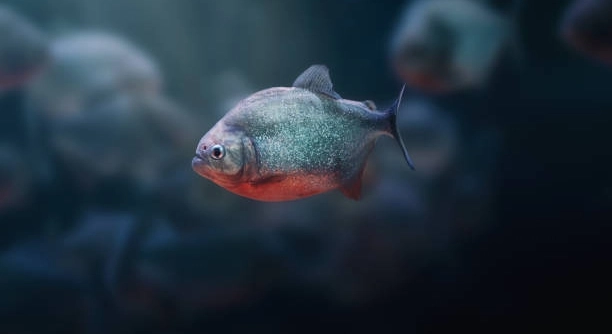
Piranhas are known for their sharp teeth and fast movements in water. Many people want to understand how to keep them calm and avoid sudden attacks. Learning the right ways to move near piranhas can help reduce their aggressive reactions.
Certain quick, sharp, or unusual movements can startle piranhas and cause them to retreat instantly. Movements such as sudden splashes, rapid arm waves, and abrupt changes in swimming patterns trigger their natural fear response, helping to keep them at bay.
Knowing which actions trigger piranhas’ instinctive fears can make a big difference in safely observing or handling them. These simple movements hold the key to a safer experience around these fish.
Sudden Splashing
Sudden splashing in the water is one of the quickest ways to scare piranhas. When water is disturbed abruptly, piranhas perceive it as a potential threat. This makes them more cautious and likely to move away from the source. Splashing creates noise and movement that triggers their natural fight-or-flight response. Even small splashes can startle a group of piranhas, especially if they are resting or feeding nearby. In some cases, splashing may cause them to scatter and hide among plants or rocks. This behavior helps protect them from predators and unexpected dangers. For those interacting with piranhas, minimizing sudden water disturbances can keep situations safer. Calm, slow movements reduce the chance of causing panic. Knowing how sensitive piranhas are to splashes helps in controlling your presence around them.
Avoiding splashy movements can help keep piranhas calm and less aggressive. Gentle motions are always better for safety.
Understanding the effect of splashing on piranhas allows you to better manage your actions near them. When you move quietly, it lowers the chance of startling these fish. This is especially useful if you want to observe them closely without causing alarm. Keeping the water calm lets piranhas stay relaxed, which is safer for everyone involved. It also reduces the risk of unexpected attacks, since the fish don’t feel threatened. By practicing this, you can maintain peaceful interactions whether you’re swimming, fishing, or simply near their habitat.
Rapid Arm Movements
Rapid arm movements near piranhas tend to trigger their fear response immediately. These fast, sudden motions signal danger, causing them to retreat quickly.
Making quick arm gestures creates waves and vibrations in the water that piranhas find threatening. Their instinct pushes them to escape or hide rather than approach. This behavior is part of their survival mechanism to avoid larger predators or sudden dangers. If you are swimming or handling equipment near piranhas, moving your arms slowly and steadily will help keep them calm. Avoid waving your arms or splashing abruptly, as this will only make them more defensive. Learning to control your movements improves safety and reduces stress on the fish. Over time, piranhas may become less reactive if exposed to calm, predictable actions. This helps create a more peaceful environment around them and lowers the chance of aggression.
Quick Changes in Swimming Direction
Rapid changes in swimming direction can spook piranhas instantly. They interpret sudden shifts as signs of threat or prey trying to escape.
Piranhas rely heavily on detecting movement patterns in the water to assess danger. When something moves erratically or changes direction quickly, it confuses and alarms them. This reaction helps them avoid predators or prepare for an attack if needed. If you swim calmly and steadily, piranhas are less likely to feel threatened or defensive. Abrupt turns or fast swims near them will cause them to scatter or become aggressive. Staying smooth in your movements helps reduce their stress and keeps encounters safer.
Slow, predictable swimming reassures piranhas and lowers the chance of startling them. This approach helps maintain calm water around you and avoids provoking defensive behavior.
Sudden Noise in the Water
Sudden noises like banging or loud splashes unsettle piranhas immediately. These sounds signal danger and often cause the fish to scatter.
Piranhas have sensitive hearing and rely on vibrations in the water to understand their environment. Unexpected noises create alarm, making them cautious and defensive. This response keeps them safe from predators. When near piranhas, avoiding loud sounds is important to prevent causing panic. Gentle, quiet behavior helps maintain calmness in their habitat. If noises do occur, piranhas usually move away to safer areas until they feel secure again. Being mindful of noise can improve safety and make interactions with piranhas less stressful for both sides. Quiet environments help build trust and reduce aggressive responses.
Jerky Movements
Jerky, sudden movements catch piranhas off guard. These unexpected motions make them feel threatened and ready to flee.
Keeping your movements smooth and steady helps avoid triggering their defensive instincts. Jerky actions increase the chance of startling piranhas, which can lead to aggressive reactions.
Splashing Hands or Feet
Splashing hands or feet near piranhas creates loud disturbances in the water. This noise makes the fish nervous and causes them to scatter quickly.
Avoid splashing to keep piranhas calm. Gentle, controlled movements reduce water disturbances and help maintain a peaceful environment for the fish.
Fast Flicking of Fingers
Fast flicking of fingers near piranhas looks like the sudden flutter of prey. This movement grabs their attention and may provoke a cautious response.
Abrupt Pauses
FAQ
What movements are safest around piranhas?
The safest movements near piranhas are slow, smooth, and steady ones. Avoid splashing, jerky actions, or sudden changes in direction. Gentle motions help keep the water calm and prevent triggering their defensive instincts. Staying calm yourself will help the fish stay calm too. Moving predictably reduces the chance of startling them.
Why do sudden splashes scare piranhas?
Sudden splashes create loud noises and vibrations in the water, which piranhas interpret as danger. Their natural reaction is to become cautious and retreat to safer areas. This helps protect them from predators. Because piranhas have sharp teeth and quick reflexes, they respond instantly to such disturbances by moving away or hiding.
Can piranhas become less aggressive over time?
Yes, piranhas can become less aggressive if they are regularly exposed to calm, non-threatening movements. When they learn that certain motions are safe and not a threat, their stress levels lower. However, this depends on the situation and individual fish. It’s important to always move carefully to maintain a peaceful environment.
What should I avoid doing to prevent spooking piranhas?
Avoid rapid arm movements, splashing, jerky motions, and sudden changes in swimming direction. Loud noises in the water should also be minimized. These actions are seen as threats by piranhas and will cause them to react defensively or flee. Keeping movements smooth and quiet is the best way to avoid spooking them.
How do piranhas sense danger in water?
Piranhas use vibrations, noise, and visual cues to sense danger. Their lateral line system detects water movement and pressure changes, alerting them to sudden disturbances. When something moves quickly or creates loud sounds, they interpret it as a possible threat, triggering their fight-or-flight response.
Is it safe to swim near piranhas?
Swimming near piranhas can be safe if you move calmly and avoid sudden splashes or jerky motions. Quick, aggressive movements may provoke them, but slow, gentle swimming usually keeps them relaxed. It’s important to respect their space and avoid behaviors that might alarm them.
Do all piranhas react the same way to movements?
Not all piranhas react exactly the same, but most share similar instinctive responses to sudden disturbances. Some may be more aggressive, while others are shy and quick to hide. Factors like species, environment, and whether they feel threatened influence their reactions.
Why do sudden noises affect piranhas so much?
Sudden noises cause vibrations that piranhas detect easily underwater. These unexpected sounds signal possible danger, causing them to become alert and often retreat. Their survival depends on quickly reacting to such stimuli, making them sensitive to any loud or sharp noise nearby.
Can slow, steady movements calm piranhas?
Yes, slow and steady movements help calm piranhas because they don’t signal threat or danger. Predictable motions allow the fish to feel secure. When piranhas are not stressed, they are less likely to act aggressively or flee, making it easier to observe or interact with them safely.
What happens if I splash too much near piranhas?
If you splash excessively, piranhas may become startled and scatter quickly, sometimes showing aggressive behavior. This could increase the risk of bites or attacks if they feel cornered or threatened. Minimizing splashing helps keep the water calm and piranhas more relaxed.
Are piranhas more sensitive to movements during feeding?
Piranhas can be more sensitive to sudden movements when feeding. They are more alert and reactive because they may see fast motions as competition or threats. During feeding times, extra caution with movements is important to avoid provoking aggression or causing unnecessary stress.
Can I train piranhas to ignore certain movements?
While piranhas can get used to calm, regular motions and become less reactive, full “training” isn’t guaranteed. Their natural instincts remain strong. Consistent gentle handling and predictable movements can reduce their stress but won’t completely remove their instinct to respond to sudden or threatening actions.
How do piranhas use their lateral line system?
The lateral line system runs along the sides of piranhas and detects water vibrations and pressure changes. This sensory organ helps them sense movement around them, especially in murky water. It alerts them to nearby threats, prey, or environmental changes, playing a key role in their survival and reactions.
Is it better to avoid swimming with piranhas altogether?
Avoiding swimming with piranhas is the safest choice for most people. However, if you must enter their habitat, moving slowly and calmly can reduce risks. Being aware of your actions and respecting their environment helps prevent unwanted encounters and keeps both you and the fish safer.
Understanding how piranhas react to different movements can help create safer interactions with these fish. Piranhas are sensitive to sudden disturbances in their environment, such as quick splashes, rapid arm motions, or loud noises. These actions often trigger their natural instinct to flee or defend themselves. By keeping movements slow and steady, it is possible to avoid startling them. This reduces the chances of aggression and makes it easier to observe piranhas without causing stress. Simple changes in behavior can have a big impact on how these fish respond, making encounters less tense and more controlled.
Piranhas use their senses to stay alert to possible danger around them. Their lateral line system detects water vibrations, while their sharp eyesight picks up fast or unusual motions. When they notice sudden changes, they quickly become defensive. This is why jerky movements, splashing, and fast swimming near them cause such a strong reaction. Being mindful of these natural instincts is important when near piranhas. Avoiding abrupt actions helps maintain calm water and lowers the chance of provoking their bite reflex. Over time, piranhas may become less reactive if they experience only gentle, predictable movements. This can make it easier to share space with them safely.
Overall, respecting how piranhas sense and react to movement leads to better safety for both humans and fish. Keeping actions deliberate and smooth reduces stress and helps piranhas stay relaxed. Whether observing piranhas in the wild or caring for them in captivity, understanding their behavior is key. By minimizing loud noises, splashes, and sudden gestures, it is possible to avoid triggering their defensive instincts. This thoughtful approach helps maintain peaceful environments and reduces the risks of accidental bites. Taking the time to adjust how you move near piranhas will improve your experience and ensure safer encounters.

Hello,
If you enjoy the content that we create, please consider saying a "Thank You!" by leaving a tip.
Every little bit helps us continue crafting quality advice that supports the health, happiness, and well-being of pets around the world, for pets of all shapes, sizes, and species.
We really appreciate the kindness and support that you show us!