
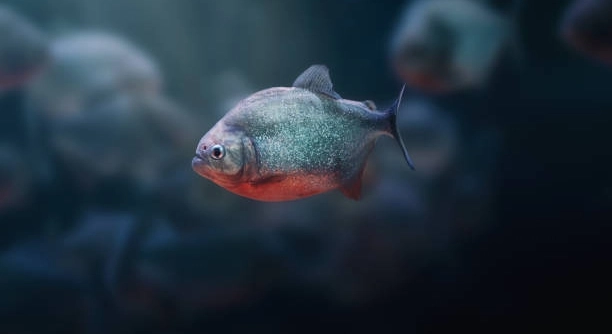
Piranhas are known for their sharp teeth and fast movements. They live in rivers and lakes where they encounter many new objects. Observing how piranhas react to unfamiliar items helps us understand their behavior better.
Piranhas display several distinct reactions to new objects, including cautious inspection, sudden attacks, ignoring the object, or showing signs of stress. These behaviors vary depending on the object’s size, shape, and movement within their environment.
Recognizing these reactions provides insight into piranha behavior and their interaction with changes in their habitat. This knowledge is useful for both hobbyists and researchers alike.
Initial Cautious Inspection
When a new object enters their environment, piranhas often begin with a careful and cautious inspection. They approach slowly, using their keen eyesight to examine the object’s size, shape, and movement. This behavior helps them determine if the object poses any threat or if it might be food. Piranhas rely on subtle water vibrations and changes in light reflections to gather information. They may circle the object or pause nearby for extended periods. This cautious approach reduces the risk of unnecessary aggression or injury. In some cases, this inspection can last several minutes before the piranhas decide to interact further or ignore the object altogether. This phase is essential for their survival, as piranhas must quickly distinguish between safe and dangerous elements in their environment.
This initial inspection reflects piranhas’ natural wariness and their reliance on sensory input to make decisions.
Understanding this behavior can improve handling of piranha habitats and reduce stress for these fish.
Sudden Aggression and Attack
Piranhas sometimes respond to new objects with sudden aggression. This reaction can include quick lunges or bites aimed at the unfamiliar item. Aggressive behavior is often triggered by rapid movements or sharp edges, which can be perceived as threats. This instinctive defense mechanism protects their territory and deters potential predators. The attack may not always cause damage but serves as a warning. Piranhas may also display aggressive body language, such as flaring their gill covers or spreading their fins to appear larger. This behavior tends to decrease if the object remains motionless or is removed quickly. Aggressive responses vary depending on the species and environmental conditions.
Repeated exposure to non-threatening objects can reduce aggressive reactions over time, showing some level of habituation in piranhas.
Ignoring or Avoidance Behavior
In many cases, piranhas choose to ignore new objects entirely. If the item does not move or emit signals that trigger curiosity or defense, the fish often swim away or remain indifferent. This behavior conserves energy and minimizes unnecessary confrontations. Avoidance is a practical response when the object lacks food value or threat potential. Piranhas are known to prioritize energy efficiency, focusing on hunting and survival rather than investigating harmless elements. When several piranhas are present, some may ignore the object while others maintain distance but observe from afar. This group behavior helps reduce risk while maintaining awareness. Ignoring or avoidance can be an adaptive strategy in dynamic environments where non-threatening objects frequently appear.
Signs of Stress
Piranhas can show stress when exposed to unfamiliar objects. Stress indicators include rapid breathing, erratic swimming, and hiding. Prolonged stress affects their health and appetite. Monitoring these signs helps maintain better care and habitat conditions.
Curiosity-Driven Exploration
Piranhas often approach new objects out of curiosity. They use their mouths and bodies to explore the texture and shape. This exploratory behavior helps them learn more about their surroundings and can lead to increased comfort with the object over time.
This exploration may include nibbling or bumping the object repeatedly. It allows piranhas to assess whether the item is edible or simply an obstacle. Sometimes, piranhas become more interactive after initial hesitation. Their natural curiosity helps them adapt to environmental changes. This behavior is common in captive and wild piranhas alike.
Repeated exposure encourages familiarity, reducing stress and aggressive responses. Curiosity-driven exploration is part of their survival strategy, balancing caution with the need to investigate potential food sources or threats.
Group Reaction Dynamics
Piranhas often react differently when in groups. Group presence can increase their confidence, making reactions stronger or more coordinated. At times, one piranha’s behavior influences the rest, resulting in collective inspection or attack.
Group dynamics enhance their ability to evaluate threats or new objects more effectively. Social cues help them decide whether to engage or avoid. When one piranha attacks, others may join or remain alert nearby. This coordinated behavior improves their defense and food acquisition chances. Group reactions can vary depending on the species, size, and previous experiences. Understanding these social responses is important for managing piranha groups in captivity or studying their natural behavior.
Habituation to New Objects
Piranhas can become habituated to new objects over time. Repeated exposure reduces their initial reactions, making them less aggressive or curious. This adaptation helps minimize unnecessary stress.
Habituation varies based on the object’s characteristics and how often it appears in their environment. It helps maintain stability in their behavior.
Sensory Response to Movement
Piranhas respond strongly to moving objects. Movement triggers their predatory instincts, often leading to attacks or closer inspection. Motion mimics prey and demands immediate attention. This reaction is an essential part of their hunting strategy.
Visual Recognition Limits
Piranhas rely heavily on movement, but their ability to visually recognize objects is limited. They focus more on shapes and vibrations than detailed images. This means unfamiliar stationary objects might not always be noticed.
Defensive Posturing
Piranhas often display defensive postures when faced with new objects. This behavior includes flaring fins and gill covers to appear larger and more intimidating. It serves as a warning to potential threats nearby.
How do piranhas react to completely unfamiliar objects?
Piranhas typically respond to unfamiliar objects with caution. Their first reaction is often to inspect the object carefully by circling or hovering near it. They rely on their senses, such as sight and detecting vibrations in the water, to assess if the object is dangerous or edible. If the object is still or doesn’t resemble prey, many piranhas will eventually ignore it. However, sudden movements or sharp edges might provoke a more defensive or aggressive response. The initial inspection phase helps them avoid wasting energy on harmless items and prevents injury from potentially harmful objects.
Can piranhas become accustomed to new objects in their tank or environment?
Yes, piranhas can become habituated to objects that remain in their environment. With repeated exposure, they tend to show less aggression or curiosity. This process, called habituation, allows them to conserve energy by ignoring items that pose no threat or food value. For example, piranhas introduced to decorations or equipment in aquariums often explore these objects initially but grow comfortable over time. Habituation is helpful for reducing stress in captive piranhas. It also helps maintain a stable environment where they focus on feeding and social behaviors instead of constant vigilance.
What triggers an aggressive response to new objects?
Movement is the primary trigger for aggression in piranhas when faced with new objects. Rapid or erratic motions mimic prey or threats, causing piranhas to react defensively or offensively. Sharp or reflective surfaces may also provoke attacks due to their unfamiliar appearance. Aggression serves as a territorial defense mechanism or a way to test the object’s edibility. However, if the object remains motionless or is removed quickly, aggressive behavior usually subsides. Environmental factors, such as water quality and tank size, can also influence how intensely piranhas react.
Do all piranha species react the same way to new objects?
Reactions vary between species, but many share common patterns like cautious inspection, aggression, and eventual habituation. Some species tend to be more territorial and aggressive, responding quickly with attacks. Others are more reserved and take longer to approach unfamiliar objects. The differences often relate to natural habitat conditions and social behaviors. Knowing the species you are working with helps predict their reactions and manage their environment more effectively.
Why do piranhas sometimes ignore new objects entirely?
Ignoring new objects helps piranhas conserve energy and avoid unnecessary risks. If the object does not move or present signals related to food or danger, piranhas often remain indifferent. This behavior reflects their focus on survival priorities like hunting or defending territory. Ignoring harmless, stationary objects also reduces stress. In groups, some individuals may ignore while others keep a watchful eye from a distance. This balance keeps the group safe without wasting energy on every environmental change.
How does group behavior influence reactions to new objects?
Group dynamics amplify piranha reactions. When one piranha investigates or attacks an object, others often join or stay alert nearby. Social cues help coordinate responses, improving safety and effectiveness. A confident individual can encourage the group to explore or defend more actively. Conversely, if most ignore the object, the group tends to avoid it. Group size, species traits, and previous experiences shape these social reactions. Managing piranhas in groups requires attention to how they influence each other’s behavior around new stimuli.
What signs indicate stress in piranhas when exposed to new objects?
Stress in piranhas shows through rapid breathing, erratic or frantic swimming, hiding, or loss of appetite. Prolonged exposure to stressful stimuli, like frequent introduction of unfamiliar objects, can harm their health. Recognizing stress signs helps prevent negative effects and improves welfare. Maintaining a stable, familiar environment reduces stress and supports natural behaviors.
How important is movement versus visual details for piranhas in assessing new objects?
Movement is more important than fine visual details for piranhas. They respond strongly to water vibrations and object movement, which trigger instinctive hunting or defense behaviors. Their vision detects shapes and contrasts but does not focus on detailed recognition like mammals. This explains why motionless objects often receive little attention, while even small movements prompt immediate reactions.
Can piranhas distinguish between threatening and non-threatening objects?
To some extent, yes. Piranhas assess objects based on sensory input—movement, size, shape, and vibrations—to judge threat level. Initial caution helps avoid mistakes. Over time, they learn to ignore harmless items or show aggression only when necessary. However, their reactions are instinctive and sometimes imprecise, especially with novel stimuli.
What role does defensive posturing play when piranhas encounter new objects?
Defensive posturing, such as flaring fins and gill covers, makes piranhas appear larger and more intimidating. This warning display helps deter potential threats without direct confrontation. It often precedes or replaces aggressive attacks. Posturing is an energy-efficient way to protect territory or signal discomfort, reducing the chance of injury for both the fish and the object source.
This FAQ covers common reactions and behaviors piranhas show when introduced to new objects. Understanding these patterns can improve care and observation in both natural and captive settings.
The reactions piranhas show to new objects reflect their instincts and environment. They rely on a mix of curiosity, caution, and defense to decide how to respond. At first, piranhas often inspect unfamiliar items carefully. This behavior helps them gather information about potential threats or food sources. Over time, many piranhas become accustomed to objects that pose no danger, showing less interest or aggression. This adaptation allows them to focus on more important activities like feeding and interacting with their group. Understanding these natural behaviors can help in managing piranhas in captivity and observing them in the wild.
Group behavior plays a significant role in how piranhas react. When piranhas are in groups, their responses to new objects are often more pronounced. One piranha’s reaction can trigger similar responses from others, leading to coordinated inspection or defensive behavior. This social dynamic helps protect the group by increasing vigilance and deterring potential threats. However, it can also lead to heightened aggression if the group perceives the object as dangerous. The balance between curiosity and caution in groups shows how piranhas use social signals to survive and thrive in their environment.
Knowing how piranhas respond to new objects is important for anyone who keeps them or studies their behavior. Providing a stable and predictable environment reduces stress and helps piranhas adjust more quickly to changes. Introducing new objects slowly and observing their reactions can prevent unnecessary aggression and improve their overall well-being. These responses highlight the complexity of piranha behavior beyond their reputation for aggression. They are adaptable fish that use their instincts to navigate new situations carefully and efficiently.

Hello,
If you enjoy the content that we create, please consider saying a "Thank You!" by leaving a tip.
Every little bit helps us continue crafting quality advice that supports the health, happiness, and well-being of pets around the world, for pets of all shapes, sizes, and species.
We really appreciate the kindness and support that you show us!