
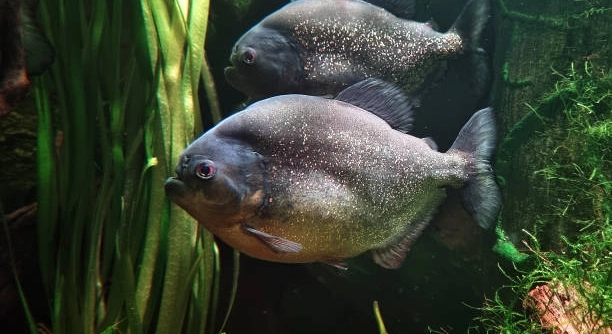
New piranhas require careful attention on their first day to ensure a smooth transition into their new environment. Proper setup and supplies can greatly affect their health and behavior in the critical initial period. This article outlines essential needs to address immediately.
New piranhas need clean, well-conditioned water, stable temperature, appropriate tank size, hiding spots, proper diet, minimal stress, and suitable tank mates. These factors promote their well-being and adaptation during the initial day in a new aquarium setting.
These foundational steps create a safe and supportive environment. Following them helps prevent common issues and supports the long-term health of new piranhas.
Clean, Well-Conditioned Water
New piranhas are very sensitive to water quality. It is important to prepare the tank with clean, dechlorinated water before introducing them. Water conditioners remove harmful chemicals like chlorine and chloramine, which can stress or harm fish. Regular water testing ensures the right pH level, hardness, and ammonia content. Ideal pH for piranhas ranges from 6.5 to 7.5. Temperature should be stable between 75°F and 82°F. Sudden changes in water parameters can shock the fish, causing health problems or aggression. A filter helps keep the water clean but avoid strong currents, as piranhas prefer calm water. Make sure to cycle the tank properly to establish beneficial bacteria that break down waste. This creates a safer environment for the piranhas on day one and beyond.
Maintaining these water conditions is crucial to reduce stress and support their immune systems.
Providing clean, well-conditioned water sets the foundation for healthy piranhas. It prevents illness and supports natural behavior. Preparing the water carefully reduces stress that can make piranhas defensive or lethargic. Testing parameters regularly keeps the environment stable. Using a reliable water conditioner removes harmful chemicals instantly. A filter and regular partial water changes keep the water fresh, preventing toxin buildup. Avoid overcrowding the tank to reduce waste levels. The combination of proper water conditions and careful tank cycling protects piranhas from early health issues and creates a stable space where they can adjust comfortably. This initial care is essential for their survival and growth.
Proper Tank Size and Hiding Spots
A spacious tank reduces stress and aggression among piranhas.
Piranhas need a tank of at least 20 gallons per fish to have enough room to swim and establish territories. Overcrowding causes stress and can lead to fights. Including hiding spots like plants, driftwood, or rocks helps piranhas feel secure. These areas offer shelter and reduce visible aggression by providing retreats. Hiding places also mimic their natural environment and encourage natural behavior. Arrange decorations to create multiple hiding areas and break the line of sight between fish. This lowers competition and territorial disputes. Avoid sharp objects that can injure them. Providing adequate space and shelter contributes to a balanced and peaceful aquarium on the first day and helps maintain long-term harmony among piranhas.
Appropriate Diet on Day One
Feeding new piranhas correctly from the start helps reduce stress and supports their immune system. Avoid overfeeding to prevent water pollution.
Piranhas are primarily carnivorous and prefer live or frozen food such as small fish, shrimp, or insects. On the first day, offer small portions to encourage eating without overwhelming their system. Fresh, protein-rich food helps them regain energy after transport and adjusts their digestion to the new environment. Avoid pellet food initially, as some piranhas may reject it at first. Introducing variety gradually will keep them healthy and encourage natural feeding behavior.
It is important to monitor feeding closely to prevent leftovers that can degrade water quality. Uneaten food should be removed promptly to avoid ammonia spikes. Feeding a balanced diet from day one promotes growth and vitality.
Minimizing Stress for New Piranhas
Stress weakens piranhas’ immune defenses and can cause illness or aggression. Minimize sudden changes in their surroundings.
Keep the tank environment calm by limiting noise, vibrations, and rapid movements near the aquarium. Avoid excessive handling or moving decorations immediately after introduction. Dim lighting can reduce stress, as piranhas naturally avoid bright light. Maintaining stable temperature and water parameters helps them settle faster. Avoid introducing new tank mates too soon, as this can increase tension. Reducing disturbances on the first day helps piranhas acclimate to their new space and feel secure.
A peaceful environment encourages natural behavior and prevents unnecessary energy loss. Stress-free piranhas are more likely to eat well and display normal activity, which benefits their overall health. Creating calm conditions is essential for smooth adaptation during the critical first hours in a new tank.
Stable Temperature
Maintaining a consistent water temperature is vital for new piranhas. Sudden fluctuations can cause stress and weaken their immune system.
Use a reliable heater and thermometer to keep the water between 75°F and 82°F. Avoid placing the tank near drafts or heat sources that cause temperature swings.
Suitable Tank Mates
Piranhas are territorial and aggressive, especially when newly introduced. Avoid mixing them with small or passive fish that may become targets.
Choosing tank mates requires caution. Larger, robust species may coexist, but it is often safer to keep piranhas alone or in groups of their own kind. This reduces stress and aggression, creating a more stable environment.
Minimal Handling
Limit handling new piranhas to prevent stress and injury. Use a soft net gently if moving is necessary.
Handling should be avoided unless absolutely required, as it can cause physical harm and increase vulnerability to disease.
FAQ
What is the best water temperature for new piranhas?
New piranhas thrive best in water temperatures ranging from 75°F to 82°F. Maintaining this stable temperature helps prevent stress and supports their immune function. Sudden drops or spikes can weaken their health and lead to illness. Using an adjustable aquarium heater and a reliable thermometer ensures the tank stays within this ideal range consistently.
How often should I feed my new piranhas?
On the first day, it is best to offer small amounts of food once or twice. Overfeeding can pollute the water and cause digestive problems. Once settled, feeding can be adjusted to once daily or every other day depending on their appetite and size. It is important to remove uneaten food promptly to maintain water quality.
Can I keep piranhas with other fish?
Piranhas are naturally aggressive and territorial, especially when newly introduced. It is generally safer to keep them in a species-only tank or with fish that can handle their temperament. Smaller or passive fish risk being attacked. If tank mates are chosen, they should be robust and fast enough to avoid conflict.
How do I reduce stress for new piranhas?
Reducing stress involves maintaining stable water conditions and limiting disturbances. Avoid loud noises, rapid movements, or sudden changes around the tank. Dim lighting helps, as bright light can make them nervous. Providing hiding spots allows piranhas to feel secure, which is important for their adjustment.
What type of food should I give on the first day?
Start with live or frozen protein-rich food like small fish, shrimp, or insects. These mimic their natural diet and encourage feeding. Avoid dry pellets initially, as some piranhas may reject them. Fresh, high-quality food supports their energy needs and helps them recover from transport stress.
How important is tank cycling before adding piranhas?
Cycling the tank is essential before introducing piranhas. It establishes beneficial bacteria that break down harmful waste like ammonia and nitrites. Adding piranhas to an uncycled tank can expose them to toxic conditions, causing illness or death. Proper cycling usually takes several weeks, but it greatly increases their chances of thriving.
What size tank is appropriate for new piranhas?
Each piranha needs at least 20 gallons of space. Adequate tank size reduces territorial aggression and gives them room to swim naturally. Overcrowding causes stress and fights. Bigger tanks also allow for better water quality management and easier temperature control, which benefits overall health.
Should I handle new piranhas after introducing them?
Handling should be minimized. Moving or netting piranhas can cause stress and physical injury. Only handle when absolutely necessary, such as during tank maintenance or medical treatment. Use a soft net gently to avoid damaging their fins or scales. Less handling supports a smoother adjustment to their new environment.
How do I monitor water quality for new piranhas?
Regularly test water for ammonia, nitrites, nitrates, pH, and temperature using aquarium test kits. Keeping ammonia and nitrites at zero is critical, as these chemicals are toxic. Maintain pH between 6.5 and 7.5. Frequent partial water changes help keep parameters stable. Good water quality reduces disease risk and promotes healthy fish behavior.
What signs indicate stress or illness in new piranhas?
Look for lethargy, loss of appetite, unusual hiding, rapid breathing, or visible spots and wounds. Clamped fins and erratic swimming also suggest stress or health issues. Early detection allows for prompt action, such as improving water conditions or consulting a veterinarian. Keeping stress low helps prevent many common problems.
Final Thoughts
Starting with new piranhas requires careful attention to several key factors. Ensuring stable water temperature and proper tank setup helps them settle quickly. Maintaining clean water through regular testing and partial changes is essential to avoid harmful conditions. Feeding the right diet in small amounts supports their health without polluting the environment. These steps together create a solid foundation for piranhas to grow strong and avoid stress or illness.
Limiting stress is crucial during the first day and beyond. Piranhas respond poorly to sudden changes in light, noise, or handling. Creating a calm, quiet environment with plenty of hiding spaces allows them to feel secure. Avoid overcrowding and aggressive tank mates to reduce territorial conflicts. A peaceful setting encourages natural behavior and improves appetite, which is important for their overall well-being.
Patience is necessary when introducing new piranhas. They need time to adjust to their new environment before they fully thrive. Monitoring water parameters and observing their behavior will help identify any issues early on. Taking these measures seriously ensures a healthier, longer life for the fish. With proper care from day one, piranhas can develop into strong, active inhabitants of your aquarium.

Hello,
If you enjoy the content that we create, please consider saying a "Thank You!" by leaving a tip.
Every little bit helps us continue crafting quality advice that supports the health, happiness, and well-being of pets around the world, for pets of all shapes, sizes, and species.
We really appreciate the kindness and support that you show us!