
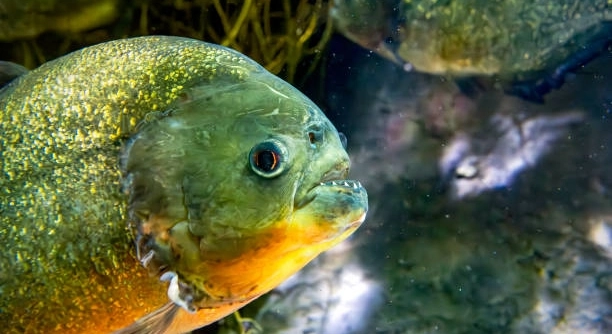
Piranhas are often seen as fierce fish with quick reactions. These small predators respond instinctively to their environment. Their behavior is shaped by survival needs and natural instincts in the wild.
Piranhas instinctively react to sudden movements, changes in water pressure, vibrations, the presence of potential food, threats from predators, changes in water temperature, and chemical signals in the water. These responses help them survive and thrive in their habitats.
Understanding these natural reactions can give better insight into how piranhas behave. Learning about these triggers reveals more about their role in the ecosystem and their survival strategies.
Sudden Movements Trigger Immediate Responses
Piranhas have sharp senses that pick up quick changes around them. When something moves suddenly nearby, they react fast. This instinct helps them spot both prey and danger. Sudden movements create vibrations in the water that alert piranhas to possible food or threats. Their sharp eyesight also helps them notice fast motions. This reaction is important for hunting because piranhas rely on speed to catch prey. It also helps them avoid larger predators. In a natural river setting, piranhas stay alert to any fast movement. This behavior shows their survival skills and natural caution. It’s interesting how such small fish have developed these keen instincts over time. Their ability to react quickly keeps them alive and ready in their environment.
This fast response to movement is one of the key survival traits of piranhas. It allows them to act quickly when needed.
By understanding how piranhas react to sudden movements, we see how their senses are tuned for survival. These reactions are not just about feeding but about protecting themselves. Piranhas depend on their sharp instincts to maintain balance in their habitat. Their quick reflexes show how nature shapes behavior. Watching this can give insight into how fish live under constant alert. The environment they live in requires them to be both hunters and cautious animals. This dual role is supported by their reactions to movement, which serve multiple purposes. Knowing this helps explain their behavior in both wild and captive settings.
Changes in Water Pressure Affect Behavior
Piranhas sense shifts in water pressure to understand their surroundings.
Water pressure changes signal movement or presence of something nearby. This helps piranhas detect prey or other animals in the water. When water pressure shifts suddenly, piranhas often become more alert or active. They use this sense along with sight and vibrations to get a complete picture. Changes in pressure can indicate a swimming animal or an object moving close to them. This is important in murky waters where visibility is low. Their lateral line system, a sensory organ, helps detect these pressure changes. It adds to their ability to react quickly and accurately. This sensitivity to pressure changes is part of their survival toolkit. It complements their other senses and helps them stay aware of their environment. Understanding this helps explain how piranhas navigate and hunt in complex river systems.
Vibrations in the Water Catch Their Attention
Piranhas detect vibrations through their lateral line system. This helps them sense nearby movement even when they can’t see clearly. Vibrations can come from struggling prey or other animals moving close.
This sensory system allows piranhas to respond quickly in cloudy or dark waters. When an animal moves or thrashes, it sends waves through the water. Piranhas feel these waves and can locate the source. This ability is especially useful in murky river conditions where visibility is limited. It makes them effective hunters even without relying solely on sight. The lateral line is like an underwater radar that helps them track prey or avoid danger. This instinctive reaction to vibrations plays a big role in their hunting strategy and survival. It shows how piranhas use multiple senses to stay aware of their surroundings and act fast.
Reacting to vibrations helps piranhas capture prey efficiently and avoid threats. Their ability to sense these subtle signals gives them an advantage in their environment.
Detecting Potential Food Sources
Piranhas are naturally drawn to signals indicating food nearby. These can be smells, movements, or disturbances in the water. Their instincts push them to investigate any signs that suggest a meal.
Their strong sense of smell allows piranhas to detect blood or other scents in the water from a distance. Movement caused by struggling fish or injured animals quickly grabs their attention. This combination of sensory cues triggers their feeding instincts, prompting them to gather and hunt. In nature, this reaction helps them find food quickly and efficiently. It also explains why piranhas sometimes appear aggressive when they sense something edible. Their behavior is driven by survival needs, not just aggression. Understanding this instinct reveals how piranhas fit into their ecosystem as both predators and scavengers, always ready to respond to feeding opportunities.
Responses to Threats from Predators
Piranhas quickly recognize danger signals. They become more alert and may swim away or form groups to protect themselves.
Grouping helps reduce the risk of being attacked. This defensive behavior increases their chances of survival when predators approach.
Sensitivity to Water Temperature Changes
Piranhas respond to shifts in water temperature because it affects their activity and metabolism. When the water becomes warmer, their metabolism speeds up, making them more active and increasing their need for food. Conversely, cooler water slows them down, causing them to conserve energy and reduce movement. These temperature changes influence how they hunt and interact with their environment. Their instinctive reaction to temperature helps them adapt to seasonal variations and maintain balance in their natural habitat. It also impacts breeding cycles and overall health, showing how closely their behavior links to environmental conditions.
Chemical Signals Trigger Reactions
Piranhas react to chemicals released in the water.
These signals can indicate danger, food, or other fish nearby.
What do piranhas instinctively react to first?
Piranhas most often react first to sudden movements in the water. Their keen eyesight and lateral line system pick up quick changes, alerting them to potential prey or danger. This fast response is crucial for survival, helping them catch food and avoid predators.
How do vibrations in water affect piranhas?
Vibrations are important signals for piranhas. They sense vibrations through a special sensory organ called the lateral line. This allows them to detect struggling or moving animals nearby, even in murky water where visibility is poor. These vibrations trigger hunting behavior or caution.
Do piranhas respond to changes in water temperature?
Yes, water temperature influences piranhas’ behavior. Warmer water increases their metabolism, making them more active and hungry. Cooler water slows their activity and reduces their feeding. These instinctive reactions help them adjust to seasonal changes and maintain energy balance.
Can piranhas smell food in the water?
Piranhas have a strong sense of smell and can detect chemical signals like blood or decaying matter in the water. This helps them locate injured prey or food sources quickly. Their feeding behavior often begins when these scents are present.
How do piranhas react to threats from predators?
When sensing danger, piranhas become alert and may swim away or form protective groups called schools. Schooling helps reduce individual risk and confuses predators, increasing their chances of survival. This instinct is a natural defense mechanism.
What role do chemical signals play in piranha behavior?
Piranhas respond to chemical cues released by injured fish or other piranhas. These signals can trigger feeding frenzy or alert them to danger nearby. Chemical communication is vital for coordinating group behavior and detecting environmental changes.
Are piranhas aggressive all the time?
No, piranhas are not constantly aggressive. Their aggression is mostly driven by instinctive reactions to food, threats, or environmental changes. Outside these triggers, they tend to be more peaceful and focus on survival rather than constant attacking.
How do piranhas use their senses together?
Piranhas combine sight, smell, vibration detection, and chemical sensing to interpret their surroundings. This multi-sensory approach allows them to respond quickly and appropriately to different situations. It helps them hunt efficiently and avoid dangers effectively.
Do piranhas react differently in captivity compared to the wild?
In captivity, piranhas may show less instinctive reaction due to limited stimuli and controlled environments. However, their basic instincts like responding to movement, vibrations, and food signals remain strong. Understanding these instincts helps in proper care and tank setup.
What can trigger a feeding frenzy in piranhas?
A feeding frenzy usually starts when piranhas detect blood, sudden movement, or injured prey through their senses. The combination of smell, vibrations, and visual cues triggers aggressive feeding behavior, which is an instinct to secure food quickly before competitors arrive.
These questions cover many instinctive reactions of piranhas and explain how these small fish survive and thrive using their natural behaviors. Understanding these helps appreciate the balance they maintain in their environment.
Piranhas are often misunderstood because of their fierce reputation. In reality, their behavior is driven mainly by natural instincts that help them survive in the wild. These instincts allow them to react quickly to their surroundings, whether it is sensing danger or finding food. By understanding what triggers these reactions, we can see that piranhas are not just aggressive fish, but creatures shaped by their environment to respond to certain signals. Their responses to sudden movements, vibrations, and chemical cues all serve a purpose that supports their life in rivers and streams.
The way piranhas react to threats and changes in their environment shows how well-adapted they are. Their grouping behavior when faced with danger is a natural way to protect themselves, not just random aggression. They also adjust their activity based on water temperature, which affects how they use their energy and hunt. These instinctive behaviors highlight the balance piranhas maintain to survive. Their ability to detect food sources through smell and vibrations further demonstrates their complex sensory system. Understanding these traits helps explain why piranhas behave the way they do in both natural habitats and captivity.
In summary, piranhas’ instinctive reactions are key to their survival. They respond quickly and efficiently to environmental changes and possible threats. These natural responses have developed over time to help piranhas thrive in their specific conditions. Knowing about their instincts allows us to appreciate them beyond just their fierce image. It also helps in creating better care practices when keeping them in aquariums. Overall, the study of these reactions gives a clearer picture of how piranhas live, feed, and protect themselves in their watery homes.

Hello,
If you enjoy the content that we create, please consider saying a "Thank You!" by leaving a tip.
Every little bit helps us continue crafting quality advice that supports the health, happiness, and well-being of pets around the world, for pets of all shapes, sizes, and species.
We really appreciate the kindness and support that you show us!