
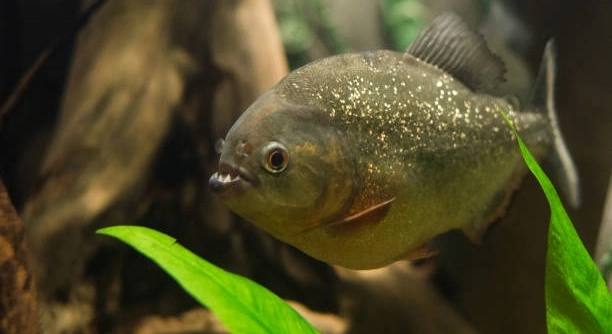
Piranhas are known for their sharp teeth and fast movements. These fish respond to many sounds in their environment, which can change their behavior. Understanding these sounds helps us learn more about how they act.
Seven specific sounds have been found to disturb piranha behavior. These include sudden loud noises, vibrations, and water surface disturbances. Such sounds cause piranhas to become more aggressive or to hide, affecting their natural activities.
Knowing which sounds affect piranhas can improve how we interact with them and their habitats. It also helps in managing their behavior more effectively.
Loud Bangs and Claps
Sudden loud noises like bangs or claps near the water can startle piranhas quickly. These sharp sounds disrupt their calm, making them more alert and aggressive. The noise waves travel through water and air, confusing their senses. When exposed to such sounds, piranhas often react by swimming rapidly or hiding behind plants. This behavior shows their natural defense mechanism, triggered by unexpected disturbances. Repeated loud noises can stress the fish, which might affect their health over time. In an aquarium or natural habitat, minimizing these sounds helps keep piranhas calm and less aggressive. Handling or moving tanks should be done gently to avoid loud impacts that disturb them. Observing how piranhas react to sounds can give clues about their environment’s condition and safety. Understanding their response is important for anyone caring for or studying these fish, ensuring their wellbeing is prioritized.
The effect of loud bangs is immediate but can also have lasting impacts on piranhas’ stress levels.
Keeping noise levels low around piranha habitats supports more natural behavior and reduces stress-induced problems.
Vibrations in the Water
Vibrations caused by footsteps or machinery near water can disturb piranhas. These vibrations spread through the water, signaling potential danger to the fish. In response, piranhas may stop feeding or swim away to find shelter. Such disturbances interfere with their normal activities and can make them more defensive. In natural habitats, vibrations from boats or heavy equipment often affect piranha groups. Even small vibrations from aquarium filters or pumps might change their behavior if too strong. It is important to place equipment carefully to reduce unnecessary vibrations. Observing piranhas’ reactions to vibrations can help monitor their stress and comfort levels. Controlling vibrations contributes to healthier fish and a better environment for them to thrive. When vibrations decrease, piranhas tend to return to normal behavior more quickly, showing the importance of a calm habitat.
Understanding how vibrations affect piranhas helps manage both natural and artificial environments to keep the fish safe and calm.
Water Surface Disturbances
Ripples and splashes on the water surface often catch piranhas’ attention immediately. These disturbances signal movement, which may mean food or danger nearby.
When the water surface is disturbed frequently, piranhas become more alert and cautious. This can interrupt their usual swimming and feeding patterns. They may swim away from the area or hide until the water calms down. In natural settings, surface disturbances caused by animals or falling debris also affect their behavior. Keeping the water surface calm in aquariums helps reduce stress and keeps piranhas relaxed. Calm water means more natural and steady behavior from these fish, which is important for their health.
Water surface disturbances are a simple but effective trigger that changes how piranhas behave, making them more defensive or hesitant.
Low-Frequency Sounds
Low-frequency sounds, like distant thunder or deep machinery hums, are felt more than heard by piranhas. These sounds travel far underwater and influence fish behavior significantly.
Piranhas detect these low-frequency vibrations through sensory organs and react with caution or increased alertness. These sounds can signal threats, causing them to stop normal activities and become defensive. In captivity, even low-frequency noises from household appliances may cause subtle stress. Understanding the impact of these sounds helps in creating a quieter and more suitable environment for piranhas. Managing noise and vibrations can improve their overall wellbeing and reduce aggressive episodes caused by unexpected low-frequency sounds.
Noticing how piranhas respond to these sounds can give insight into their comfort level and help maintain a better habitat.
Sudden Silence
Piranhas often expect background noise in their environment. Sudden silence can make them uneasy or alert.
This change disrupts their usual sense of safety, causing them to become cautious or more active as they try to understand the shift.
High-Pitched Sounds
High-pitched noises, such as whistles or electronic beeps, can irritate piranhas. These sounds are sharp and unnatural in their habitat.
Such noises may cause piranhas to swim erratically or avoid the area, showing signs of discomfort and stress. Reducing these sounds helps maintain calm behavior in the fish.
Continuous Low Humming
Continuous low humming noises, like those from nearby machinery, create constant disturbance for piranhas.
This persistent sound prevents them from relaxing and can lead to increased stress or aggression over time.
What sounds disturb piranha behavior the most?
Piranhas react strongly to sudden loud noises, vibrations, water surface disturbances, and certain frequency sounds. Loud bangs or claps can startle them immediately, causing increased aggression or flight behavior. Vibrations in the water, like footsteps near their tank or boat engines, also trigger stress. Surface disturbances, such as ripples or splashes, make them alert as they sense movement nearby. Low-frequency hums and high-pitched noises are additional sound types that disrupt their normal behavior. These sounds cause changes ranging from hiding to erratic swimming. Minimizing these noises helps maintain calm and healthy piranhas.
How do vibrations affect piranhas?
Vibrations travel efficiently through water and signal piranhas about potential threats or prey. When vibrations come from machinery, footsteps, or strong water flow, piranhas become cautious or defensive. In some cases, constant vibrations can stress the fish, causing them to stop feeding or hide for longer periods. Even aquarium filters can create vibrations if not placed correctly, impacting their behavior. Managing vibrations means placing equipment carefully and reducing nearby disturbances, allowing piranhas to remain comfortable and behave naturally.
Why do piranhas react to water surface disturbances?
Piranhas use water surface movements to detect activity around them. Ripples or splashes suggest the presence of other animals or objects, which could mean food or danger. When the surface is disturbed often, piranhas become alert and may hide or swim away until the water calms. This response is natural for survival but can cause stress if it happens repeatedly. Keeping the water surface still in tanks supports calmer behavior and helps piranhas maintain regular feeding and swimming habits.
Do low-frequency sounds stress piranhas?
Yes, low-frequency sounds travel far underwater and are often detected by piranhas as potential threats. These sounds may come from distant thunder, machinery, or large moving objects. Piranhas sense these vibrations through special sensory organs, which can trigger defensive or cautious behavior. Continuous exposure to such sounds can increase stress and make them less active or aggressive. Reducing low-frequency noise in piranha habitats is important for their wellbeing and natural behavior.
Are high-pitched sounds harmful to piranhas?
High-pitched sounds are not necessarily harmful, but they can irritate or disturb piranhas. Whistles, electronic beeps, or sharp noises are uncommon in their natural environment, making the fish uncomfortable. These sounds often cause erratic swimming or avoidance behavior. Minimizing exposure to such noises helps keep piranhas calm and reduces stress-related health problems. Quiet environments with natural sound ranges are ideal for piranhas in captivity.
How does sudden silence affect piranhas?
Piranhas expect some level of background noise in their environment. A sudden drop to silence can confuse or unsettle them. This unexpected change makes them more alert or cautious, as they try to detect what caused the silence. It interrupts their sense of security and may lead to increased activity or defensive behavior. Gradual changes in noise levels are less likely to disturb piranhas compared to sudden silence.
Can continuous low humming cause long-term stress in piranhas?
Continuous low humming, like noise from nearby machines, can create ongoing disturbance for piranhas. This constant sound prevents them from relaxing fully, potentially leading to chronic stress. Over time, stressed piranhas may show aggression, loss of appetite, or weakened immune systems. It’s important to control background noise levels in their habitat to promote healthier behavior and reduce stress effects.
What practical steps can be taken to reduce sound disturbances for piranhas?
To reduce disturbances, keep loud noises and sudden impacts away from their tanks or natural environment. Use vibration-dampening mats or place tanks on sturdy, cushioned surfaces. Position pumps and filters carefully to minimize vibrations. Avoid playing loud music or using noisy equipment near their habitat. Maintaining calm water surfaces and limiting exposure to high-pitched or low-frequency sounds helps keep piranhas comfortable. Observing their behavior for signs of stress can guide adjustments in their environment for better care.
How can I tell if sound is affecting my piranhas?
If piranhas swim erratically, hide more than usual, or show aggression without clear reason, sound disturbances might be a factor. Changes in feeding habits, such as refusal to eat, can also indicate stress caused by noise. Monitoring their reactions when loud sounds or vibrations occur can help identify triggers. Calm, steady behavior usually means the environment is suitable. Adjusting noise levels and vibrations should improve their activity and overall health.
Understanding how different sounds affect piranhas is important for anyone caring for these fish or observing them in nature. Piranhas are sensitive to many noises, especially sudden loud sounds, vibrations, and changes at the water’s surface. These sounds can make them stressed, cause them to hide, or make them more aggressive. By paying attention to these effects, we can help create a safer and calmer environment for piranhas, whether in an aquarium or in the wild. Keeping their surroundings quiet and stable helps the fish stay healthy and behave naturally.
Managing the noise around piranhas does not have to be difficult. Simple steps like reducing loud noises, placing equipment carefully to avoid vibrations, and keeping the water surface calm make a big difference. It is also helpful to avoid high-pitched sounds or constant low humming, as these can disturb the fish over time. Watching how piranhas react to different sounds can give important clues about their comfort and wellbeing. When the sounds around them are controlled, piranhas are less stressed and more active, which is a good sign of a healthy environment.
In summary, sound plays a key role in the behavior and health of piranhas. Being aware of the types of noises that disturb them can help improve their care and study. Reducing loud bangs, vibrations, surface disturbances, and strange frequency noises allows piranhas to live more peacefully. This not only benefits the fish but also makes it easier to observe and enjoy them without causing unnecessary stress. Taking small, thoughtful actions to manage sound can lead to better results and happier piranhas over time.

Hello,
If you enjoy the content that we create, please consider saying a "Thank You!" by leaving a tip.
Every little bit helps us continue crafting quality advice that supports the health, happiness, and well-being of pets around the world, for pets of all shapes, sizes, and species.
We really appreciate the kindness and support that you show us!