
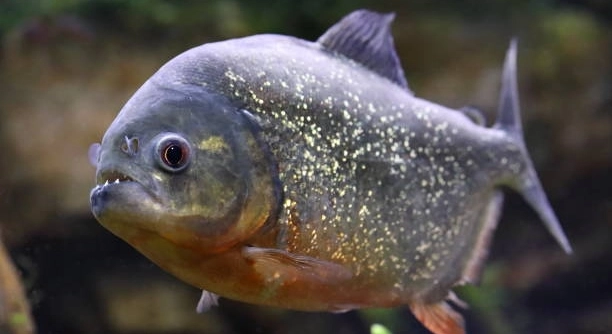
Are your aquarium fish acting differently, or does the water look a bit off even after a recent cleaning? Weekly tank tests can help. These quick checks keep your aquatic environment balanced and your fish healthier.
Running seven essential tests every week is one of the most effective ways to maintain a stable and healthy aquarium. Regular monitoring helps catch imbalances early, supporting both water quality and the well-being of your fish.
Understanding what to test and why makes weekly care feel more manageable and less overwhelming, especially with a clear routine in place.
Test 1: Ammonia Levels
Testing for ammonia each week is essential because even small amounts can be dangerous for your fish. Ammonia is produced from waste, uneaten food, and decaying plants. It builds up quickly in a tank that’s not properly maintained. Using a liquid test kit gives you accurate results, and it’s a simple process. Just collect a water sample and follow the kit instructions. Results are color-coded, making it easy to understand. If ammonia levels are above zero, act immediately. Perform a partial water change and check your filtration system. Consistently high levels may signal overfeeding or overcrowding. Keeping ammonia at zero helps prevent stress and long-term damage in fish.
Make ammonia testing part of your regular routine so issues don’t build up unnoticed.
Even if your tank looks clean, ammonia can still be present. Checking for it weekly keeps the environment safer and supports the health of every fish in your aquarium.
Test 2: Nitrite Levels
Nitrite forms as bacteria break down ammonia, and it can quickly affect your fish’s health. Testing every week ensures that the tank’s natural cycle is working properly and that your fish are not being exposed to harmful levels.
Nitrite should always measure at zero. When nitrite is present, it interferes with oxygen transport in fish, causing stress and eventually leading to death if not corrected. Use a test kit that provides clear readings. If you detect nitrite, do a partial water change and reduce feeding. It’s also helpful to check that your biological filter media is intact and not clogged. High nitrite levels are often seen in newly set up tanks, but they can also occur when beneficial bacteria are disrupted. Avoid cleaning all filter media at once, and don’t replace too much tank water at one time. With consistent testing and gentle maintenance, your aquarium’s cycle remains stable, helping your fish thrive.
Test 3: Nitrate Levels
Nitrate is the final byproduct of the nitrogen cycle and tends to build up over time. It’s less harmful than ammonia or nitrite but still dangerous at high levels, especially for sensitive species and live plants.
Weekly nitrate tests help you monitor gradual buildup. A reading under 40 ppm is generally safe, though many aim for below 20 ppm. If your test shows high levels, a partial water change is the most effective fix. Reducing feeding and adding more live plants can help, too. These plants absorb nitrates as they grow. Avoid overstocking your tank, as more fish means more waste. Regular gravel vacuuming also removes trapped organic matter that breaks down into nitrates. Keeping this test in your routine will prevent long-term issues and help maintain a more balanced environment.
Fish may tolerate higher nitrates for a short time, but constant exposure weakens their immune systems. Weekly checks keep levels from climbing silently.
Test 4: pH Levels
pH measures how acidic or alkaline your water is. Fish species thrive within specific pH ranges, so sudden changes can stress or even harm them. Weekly pH tests help catch any shifts caused by new additions or changes in water chemistry.
Test your pH at the same time each week since daily fluctuations are normal. Most freshwater tanks are stable between 6.5 and 7.5, though specific needs vary by species. If your results suddenly shift, check for causes like decaying matter, tap water inconsistencies, or issues with substrates and décor. Use pH buffers only when necessary, and avoid large adjustments at once. Even small changes can upset fish. It’s better to make slow corrections and retest over time. Stability is more important than achieving a perfect number. A steady, consistent pH reduces stress and helps your fish remain active and healthy in their environment.
Test 5: Temperature Check
Tank temperature should stay consistent throughout the day. Fluctuations can stress fish and weaken their immune systems. Use a reliable aquarium thermometer and check it at the same time each day for the most accurate reading.
Different species need different ranges, so know what your fish require. Heaters can fail or overheat, so weekly checks help spot problems early.
Test 6: KH (Carbonate Hardness)
KH helps stabilize pH by buffering the water. Low KH can lead to sudden pH drops, which stress your fish and disrupt the tank’s balance. Weekly KH tests are especially useful in planted tanks or soft water setups. Keep KH between 4–8 dKH for most freshwater tanks. If your levels are low, crushed coral or commercial KH buffers can help increase hardness slowly. Avoid sudden changes and always recheck after making any adjustments. Stable KH supports a steady pH and improves overall tank stability. It’s a test that’s often skipped but adds a valuable layer of protection for your tank’s environment.
Test 7: GH (General Hardness)
GH measures minerals like calcium and magnesium. These support healthy bones, osmoregulation, and breeding. Weekly GH testing helps ensure your water contains the right mineral levels for your fish and plants.
FAQ
How often should I run all seven tests?
Run these tests once a week to stay ahead of problems. It’s easier to prevent issues than to fix them after something goes wrong. Weekly testing helps you catch small changes before they affect your fish. Stick to the same day each week so the results stay consistent. Over time, this routine becomes quick and easy. Keep your test supplies organized and make it part of your tank maintenance. If you notice changes in fish behavior, test right away, even if it’s not your usual day. Consistency matters more than perfection.
Can I skip some tests if my tank looks fine?
Even if your water looks clear and your fish seem healthy, problems can develop quietly. Some water parameters, like ammonia or nitrite, don’t show visible signs right away. Skipping tests increases the risk of missing early warnings. It’s better to confirm everything is stable than to guess. Tests take only a few minutes and can save time and money in the long run. If you have a heavily planted tank or a low-stock setup, you might test less often, but weekly checks are still safer.
Are test strips reliable, or should I use liquid kits?
Test strips are convenient and fast but can be less accurate, especially for critical readings like ammonia or nitrite. Liquid test kits take a bit more time but offer more reliable and precise results. Many fishkeepers use both—strips for quick checks and liquid kits for accuracy. If you’re just starting out, invest in a good-quality liquid kit. They last a long time and give you better control over your tank’s health. Over time, you’ll learn which test method works best for your setup and comfort level.
What should I do if one of the parameters is off?
Take action based on the specific test result. For ammonia, nitrite, or high nitrate, start with a partial water change. Reduce feeding and check your filter system. If the pH is too low or high, adjust slowly using pH buffers or natural materials. Low KH or GH can be corrected with additives like crushed coral or mineral supplements. Always avoid sudden changes. Test again after adjusting to see if the levels improve. Logging your results helps track patterns and see if something is consistently off.
How long do water test kits last?
Most liquid test kits are good for one to two years, but check the expiration dates on each bottle. Expired reagents can give false readings, which could lead to poor decisions. Store kits in a cool, dry place, away from sunlight. Shake the bottles before use and follow the instructions carefully. If your results seem unusual, it’s a good idea to repeat the test or compare it with a second kit. Keeping your test kits in good condition helps ensure accurate results every time.
What if I miss a week of testing?
Missing one week won’t ruin your tank, but it’s best to return to your routine as soon as possible. If your fish seem fine and your water looks clear, you may not see problems right away. But keep in mind that small issues can build up. Do a full round of tests when you get back on track. It’s helpful to keep a simple log of test dates and results to stay organized. Consistent habits lead to a more stable tank in the long term.
Do I need to test both tap water and tank water?
Testing your tap water helps you understand what you’re starting with. This is important because tap water can have varying pH, GH, KH, or even traces of ammonia. Knowing your source water helps you choose the right treatments or conditioners. Test both tap and tank water when setting up a new tank or when dealing with persistent issues. After that, focus on the tank unless something changes. It’s also useful to test tap water every few months since municipal water quality can shift seasonally.
Final Thoughts
Weekly water testing is one of the easiest ways to keep your aquarium healthy. It helps you stay aware of what’s going on inside the tank, even when everything looks fine on the surface. Running quick checks on ammonia, nitrite, nitrate, pH, KH, GH, and temperature gives you a clear picture of your tank’s stability. These tests are not only for catching problems but also for preventing them. When you stay consistent with testing, you create a safer environment for your fish. It doesn’t take much time once you get into a routine, and it quickly becomes part of basic maintenance.
Using either test strips or liquid kits, you can choose a method that works best for your setup. If you’re busy, test strips give you fast results, but they may miss small changes. Liquid kits take longer but are better for accuracy. The goal is to test in a way that feels manageable and to keep records of your results. This helps you spot trends over time and take early action if something begins to shift. A small issue like a rise in nitrate can be fixed easily if caught early, but it can become a bigger problem if left alone. Weekly tests give you a chance to fix things before they get worse.
Keeping your fish healthy is about more than just feeding them or cleaning the tank. Testing the water gives you the full picture. It’s one of the most useful habits you can build as a fishkeeper. It might seem like a small step, but it plays a big role in long-term success. You don’t need to be an expert to run these tests. Most kits come with clear instructions, and over time, you’ll get faster and more confident. Whether you’re caring for bettas, guppies, shrimp, or snails, consistent testing supports their well-being. It also gives you peace of mind knowing that everything is in balance. Making weekly water testing a regular part of your routine helps keep your aquarium stable, your fish calm, and your setup running smoothly.

Hello,
If you enjoy the content that we create, please consider saying a "Thank You!" by leaving a tip.
Every little bit helps us continue crafting quality advice that supports the health, happiness, and well-being of pets around the world, for pets of all shapes, sizes, and species.
We really appreciate the kindness and support that you show us!