
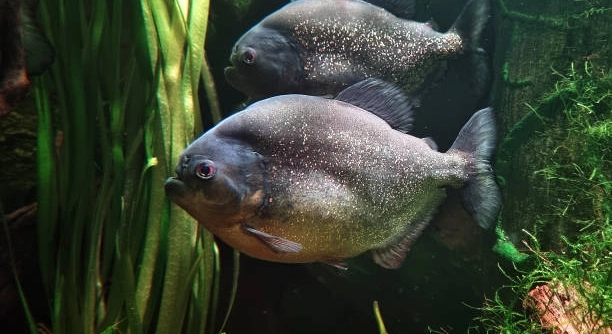
Piranhas are fascinating fish that many enjoy keeping in aquariums. After feeding, some owners notice their piranhas appear bloated or swollen. This common issue can be concerning without knowing the reasons behind it.
Piranha bloating post feeding is mainly caused by overeating, poor water quality, infections, constipation, swim bladder disorders, stress, or improper diet. Each factor affects their digestive system and overall health in specific ways.
Understanding these causes helps you care better for your piranhas and prevent discomfort. The article explains each reason clearly to support their well-being and keep them thriving.
Overeating and Digestive Stress
Piranhas can sometimes eat more than their stomachs can handle, especially if food is given in large amounts or too quickly. Overeating causes the digestive system to work harder, leading to swelling in the abdomen. This bloating can make the fish uncomfortable and affect their swimming. It’s important to feed them appropriate portions based on their size and activity level. Offering food in smaller amounts throughout the day can prevent this problem. Also, avoid feeding them foods that are too rich or hard to digest. A consistent feeding schedule helps the fish’s digestive system stay balanced and reduces the risk of bloating. If you notice your piranha looking swollen after meals, adjusting feeding habits is a good first step to help reduce discomfort and promote better health.
Overfeeding not only causes bloating but can also impact water quality, increasing ammonia levels and stressing your fish. Keeping feeding moderate benefits both the fish and the tank environment.
A balanced diet with proper portion control supports digestion and prevents bloating. Feeding smaller meals often allows piranhas to process their food better. It’s also helpful to remove any uneaten food promptly to avoid water pollution, which can worsen health problems. Monitoring feeding closely keeps your piranhas comfortable and lively.
Poor Water Quality Effects
Dirty or poorly maintained water can quickly affect a piranha’s health. High levels of toxins or unbalanced pH stress the fish and may cause bloating. Regular water changes and monitoring parameters are key to avoiding this problem.
Water that is not clean makes it difficult for piranhas to regulate their body functions properly. Waste buildup releases ammonia and nitrites, which can cause swelling and other health issues. Even slight changes in water temperature or chemistry can weaken their immune system, leading to infections that cause bloating. Using a good filtration system and testing water regularly keeps conditions stable. A well-maintained tank reduces stress, helping piranhas digest food normally without swelling. Clean water supports overall fish health and prevents many common problems, including bloating after feeding.
Infections and Parasites
Bloating in piranhas can often be caused by infections or parasites. These invade the fish’s body and disrupt normal digestion.
Bacterial infections may develop when the tank environment is poor or the fish is stressed. Parasites, such as worms, can block or irritate the digestive tract, leading to swelling. Signs include lethargy, loss of appetite, and unusual swimming. Treating infections early with proper medication is important to prevent serious health issues. Quarantining new fish before adding them to the tank helps avoid spreading diseases.
Keeping the tank clean and feeding quality food supports the fish’s immune system. If bloating appears suddenly and lasts, a vet’s advice or specific treatment might be necessary. Regular observation helps catch infections before they worsen.
Constipation in Piranhas
Constipation is a common reason for bloating after feeding. It happens when food moves too slowly or gets stuck in the intestines.
This condition can be caused by poor diet or lack of fiber. Feeding mostly dry or low-quality food increases the risk. Constipated fish may have difficulty swimming and appear swollen. Adding fresh vegetables like peas or using special foods designed for digestion can help relieve constipation. Changing feeding routines and including fiber improves gut health. Hydration and clean water also support digestion.
If constipation persists, adjusting diet and monitoring bowel movements becomes critical. Overfeeding or sudden diet changes might worsen the problem. Prevention through proper nutrition and portion control keeps piranhas healthy and less prone to bloating caused by constipation.
Swim Bladder Disorders
Swim bladder issues can cause bloating in piranhas, affecting their ability to swim properly. The swim bladder helps control buoyancy, so any problem can make the fish float unevenly or struggle to stay upright.
Injuries, infections, or poor diet can lead to swim bladder disorders. These often result in swelling near the belly area. Proper care and feeding can reduce the risk of this condition.
Stress and Its Effects
Stress weakens piranhas and can cause bloating by disrupting normal digestion. Factors like overcrowding, sudden changes, or aggressive tank mates increase stress levels. Keeping a calm environment with enough space helps reduce this risk.
Improper Diet Choices
Feeding the wrong types of food can cause digestive problems and bloating. Avoid fatty or processed foods that are hard for piranhas to digest. A diet rich in protein and natural prey supports good digestion and reduces swelling after meals.
Impact of Temperature Changes
Sudden changes in water temperature affect metabolism and digestion in piranhas. These shifts can slow down their digestive system, leading to bloating. Maintaining a stable temperature within the ideal range keeps fish healthy and comfortable.
FAQ
Why does my piranha get bloated after eating?
Bloating after eating is often caused by overeating, constipation, or eating food that is difficult to digest. Sometimes, poor water quality or infections can make the problem worse. Feeding in smaller portions and keeping the tank clean usually helps prevent bloating.
How can I tell if my piranha’s bloating is serious?
If the swelling lasts more than a day or your piranha shows signs of lethargy, loss of appetite, or unusual swimming behavior, it could be serious. These symptoms might indicate infection, parasites, or swim bladder issues that need attention.
Can poor water quality cause bloating in piranhas?
Yes, dirty water with high ammonia or nitrite levels stresses piranhas and can cause bloating. Regular water changes and using a good filter are essential to keep water parameters safe and prevent health problems.
What foods should I avoid to prevent bloating?
Avoid feeding too much dry, processed, or fatty food. Foods hard to digest, like large chunks of meat or low-quality pellets, can cause constipation or swelling. Instead, offer protein-rich, fresh, or frozen prey items in controlled amounts.
How often should I feed my piranhas?
Feed adult piranhas once or twice a day in small portions they can finish within a few minutes. Overfeeding can lead to bloating and poor water quality, so sticking to a consistent feeding schedule is best.
Can parasites cause my piranha to bloat?
Yes, internal parasites can block or irritate the digestive tract, leading to swelling. If you notice bloating along with other signs like weight loss or abnormal behavior, a parasite infestation could be the cause.
What is swim bladder disorder, and how does it cause bloating?
Swim bladder disorder affects the fish’s buoyancy and can make the belly look swollen. It may result from infections, injuries, or diet issues. Affected piranhas may float awkwardly or struggle to swim normally.
How do I treat constipation in my piranha?
Increasing fiber in their diet, such as feeding peas or specially formulated foods, can help relieve constipation. Avoid overfeeding and maintain good water quality to support digestion.
Can stress cause bloating in piranhas?
Yes, stress weakens the immune system and digestion, which can lead to bloating. Causes include overcrowding, aggressive tank mates, sudden water changes, or poor environmental conditions.
What water temperature is best to avoid bloating?
Piranhas thrive in stable temperatures between 74°F and 82°F (23°C to 28°C). Sudden temperature changes can slow digestion and cause bloating, so maintaining a consistent temperature is important.
When should I consult a vet for my bloated piranha?
If bloating persists for several days despite proper feeding and tank care, or if your piranha shows other symptoms like difficulty swimming or loss of appetite, it’s time to get professional help. Early treatment can prevent serious complications.
Final Thoughts
Piranha bloating after feeding is a common issue many fish keepers notice. It can be caused by several factors like overeating, poor water quality, infections, constipation, swim bladder problems, stress, or an improper diet. Each factor affects the fish in different ways, but most can be managed with proper care. Understanding what causes bloating helps prevent discomfort and supports your piranha’s health.
Feeding your piranhas the right amount and type of food is very important. Overfeeding is one of the main reasons for bloating. Giving smaller portions more often is better than large meals. Also, avoid feeding foods that are hard to digest or too fatty. Including fiber-rich foods like peas can help with constipation. Keeping a regular feeding schedule helps their digestive system work well and reduces the chance of swelling.
Tank conditions also play a big role in preventing bloating. Clean water with stable temperature and good filtration keeps your piranhas healthy. Stress from overcrowding or aggressive tank mates can weaken their immune system and cause digestion problems. Paying attention to water quality and the environment creates a comfortable space for your fish. If bloating continues despite good care, consulting a vet is a good idea. Early detection and treatment can make a big difference in your piranha’s well-being.

Hello,
If you enjoy the content that we create, please consider saying a "Thank You!" by leaving a tip.
Every little bit helps us continue crafting quality advice that supports the health, happiness, and well-being of pets around the world, for pets of all shapes, sizes, and species.
We really appreciate the kindness and support that you show us!