
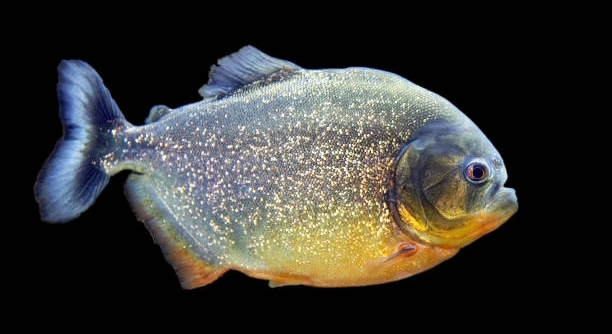
Creating a lively aquarium can make your fish feel more at home and active. Decorations in a tank do more than just look nice—they help fish explore and stay engaged in their environment. Adding the right elements can transform any aquarium.
Using specific tank decorations can stimulate fish behavior and encourage exploration. These items provide hiding spots, landmarks, and textures that enrich the tank environment. This promotes natural activity and reduces stress among aquatic inhabitants.
The right decorations bring life and interest to your tank, making it a better space for both fish and observers alike. Let’s look at seven decorations that support curiosity and movement in your aquarium.
Driftwood: Natural Hiding Spots and Exploration Areas
Driftwood is a popular decoration in many aquariums because it adds a natural touch and creates hiding places for fish. Fish feel safer when they have places to retreat to, and driftwood offers that in abundance. It also encourages fish to swim around and explore different parts of the tank. The texture of driftwood provides surfaces for beneficial bacteria and algae to grow, which can be a food source for some fish species. Over time, driftwood can release tannins into the water, slightly coloring it and mimicking natural environments like rivers or lakes. This can help reduce stress for some fish. Choosing the right size and shape of driftwood for your tank is important to avoid overcrowding and to keep the aquarium balanced. Proper cleaning before placing it in the tank is also essential to prevent unwanted substances from entering the water.
Driftwood offers shelter, texture, and interest that promote natural fish behavior and exploration.
Including driftwood can make your aquarium look more natural while benefiting your fish’s wellbeing. It encourages movement and provides places to hide, helping fish feel secure and active throughout the day. Driftwood can complement plants and other decorations, adding depth and character to your tank’s design.
Rock Formations: Structure and Territory Markers
Rock formations help fish establish territories and explore vertical spaces in the tank. These structures create caves, ledges, and crevices that encourage fish to investigate and hide. Rock arrangements also influence water flow, creating small currents and quiet spots that mimic natural habitats. Fish use these areas to rest or search for food. When arranging rocks, it’s important to ensure they are stable to prevent accidents and injury to your aquatic pets. Different types of rocks can affect water chemistry, so choose those suitable for your fish species. Using rock formations thoughtfully adds visual interest and functional space, making your tank environment more stimulating and dynamic. Fish tend to be more active in tanks with varied structures, showing natural behaviors such as exploring, hiding, and interacting with their surroundings. Proper placement is key to maintaining balance and safety in the aquarium.
Live Plants: Natural Exploration and Oxygen Boost
Live plants offer hiding spots and surfaces for fish to explore. They also improve water quality by producing oxygen and absorbing harmful substances. Different plants create a varied landscape that attracts fish activity and curiosity.
Many fish enjoy swimming through dense plant areas or nibbling on soft leaves. Live plants create a natural habitat feel, which can reduce fish stress and encourage natural behaviors like foraging and hiding. They also help keep the tank balanced by absorbing nitrates and providing shelter for small tank inhabitants.
Maintaining live plants requires some care, such as proper lighting and nutrient supply. But the benefits for both the tank’s environment and the fish make it worthwhile. Plants add depth and softness to the tank, making it more inviting and engaging for aquatic life.
Caves and Tunnels: Safe Spaces for Exploration
Caves and tunnels give fish secure spots to hide and rest while promoting exploration. These structures encourage shy or territorial fish to feel comfortable moving around the tank more freely.
Offering various cave sizes helps meet the needs of different species. Fish can claim their own territory or retreat when they feel stressed. The tunnels create pathways that stimulate movement and curiosity. Positioning caves near plants or rocks enhances the tank’s complexity, making it more interesting for the fish.
Using caves and tunnels reduces aggression in community tanks by giving fish places to escape. They also add a natural look that mimics the hiding places fish would seek in the wild. These decorations balance safety with activity, supporting healthy behaviors.
Floating Plants: Shade and Shelter
Floating plants create shaded areas on the water surface, giving fish places to hide from bright light. They add a natural cover that encourages fish to explore lower parts of the tank safely.
These plants also help reduce algae growth by limiting sunlight penetration. They contribute to water quality by absorbing excess nutrients and provide a calm environment that fish appreciate.
Aquarium Backgrounds: Visual Interest and Depth
Aquarium backgrounds add color and texture, creating an illusion of depth that makes the tank feel larger. They reduce stress by blocking external distractions and help fish focus on their surroundings inside the tank. A well-chosen background complements decorations and promotes a more engaging environment for fish to explore.
Driftwood Branches: Climbing and Hiding Paths
Driftwood branches offer climbing surfaces and narrow paths that encourage active exploration. They break up open spaces, making the tank more dynamic and interesting for fish.
What decorations are best for encouraging fish to explore?
The best decorations for encouraging exploration are those that provide hiding places, varied textures, and interesting pathways. Driftwood, caves, tunnels, and rock formations are excellent choices because they create safe spots and stimulate natural behavior. Live plants and floating plants add complexity and cover, helping fish feel secure while moving around. These items not only make the tank more visually appealing but also help fish stay active and reduce stress. By offering places to explore and claim as territory, these decorations support healthier and happier fish.
How do decorations reduce fish stress?
Decorations like caves, tunnels, and plants give fish places to hide when they feel threatened or overwhelmed. This helps them feel safe and secure, which lowers stress levels. When fish have a well-structured environment, they are less likely to display aggressive or anxious behaviors. Decorations that mimic natural habitats also make fish feel more at ease because they can act naturally. Stress reduction is important because stressed fish are more prone to illness and have shorter lifespans. A thoughtfully decorated tank helps fish stay calm and healthy.
Are live plants better than artificial ones for encouraging exploration?
Live plants tend to be better at encouraging exploration because they create a natural environment that fish recognize. They provide hiding spots, surfaces for grazing, and oxygenate the water, which supports fish health. Live plants also change over time, giving fish new areas to explore as plants grow. Artificial plants can add color and decoration but don’t offer the same benefits. However, live plants require more care, including lighting and nutrients, while artificial ones need only occasional cleaning. Both can be used together depending on your tank setup and maintenance preference.
Can decorations affect water quality?
Yes, some decorations can impact water quality. For example, driftwood may release tannins that slightly tint the water, which is usually harmless but can lower pH. Rocks made from certain minerals can alter water hardness or pH levels. Live plants generally improve water quality by absorbing nitrates and producing oxygen. It’s important to choose decorations made for aquarium use and to rinse or soak them before adding them to the tank. Monitoring water parameters regularly helps ensure that decorations are not causing harmful changes.
How do caves and tunnels promote healthy fish behavior?
Caves and tunnels offer shelter and places to hide, which encourage fish to explore more actively. These structures allow fish to establish territories and rest safely, reducing stress and aggression. By providing multiple hiding spots, caves and tunnels give shy or timid fish confidence to move around and interact with their environment. This results in more natural swimming and social behaviors, improving the overall wellbeing of the fish. Having a variety of caves in different sizes benefits different species, supporting a balanced community tank.
Is there a risk of overcrowding the tank with too many decorations?
Yes, overcrowding the tank with too many decorations can limit swimming space and reduce water circulation, which may stress fish. Decorations should be chosen and arranged carefully to create a balanced environment that offers hiding spots without making the tank feel cramped. Too many large or bulky decorations can also trap debris and make cleaning difficult. It’s best to start with a few key pieces and add more gradually while observing fish behavior and tank conditions. Good flow and open areas are important for fish health and comfort.
How often should I clean or replace tank decorations?
Tank decorations should be cleaned regularly to prevent algae buildup and debris accumulation. A gentle scrub with warm water (no soap) is usually enough for artificial decorations and rocks. Driftwood may require soaking or rinsing occasionally. Live plants need trimming rather than cleaning. Decorations don’t need frequent replacement unless they become damaged or negatively affect water quality. Monitoring decorations during water changes helps maintain a healthy environment. Proper care extends their lifespan and keeps the tank visually pleasing for both fish and viewers.
Can decorations help with fish breeding?
Certain decorations like caves, tunnels, and dense plants can encourage breeding by providing secure places for fish to lay eggs and protect their young. Many species seek out hidden spots to reduce threats from other tank mates. Adding breeding-friendly decorations increases the chances of successful spawning and survival of fry. It’s important to research the specific needs of your fish species since some prefer different types of shelter or surfaces. Creating a safe, comfortable environment with varied decorations supports natural reproductive behavior.
Decorating a fish tank is more than just making it look nice. The right decorations can improve the lives of the fish by creating an environment that encourages them to explore, hide, and feel safe. When fish have places to swim through, rest, or hide, they tend to be more active and less stressed. This makes the tank a better home for them. Simple items like driftwood, rocks, live plants, and caves add variety to the tank and help fish behave naturally. By thinking about how decorations affect the fish’s daily life, you can create a tank that is both beautiful and healthy.
It’s important to remember that decorations also affect the tank’s water quality and space. Some materials, like certain rocks or driftwood, can change the water chemistry, so it is important to choose decorations carefully. Overcrowding the tank with too many decorations can limit swimming space and cause problems with water flow. Fish need room to move freely to stay healthy. Regular cleaning and maintenance of decorations are also necessary to keep the tank clean and safe. Taking time to plan and care for your decorations will help create a balanced aquarium that supports fish wellbeing.
Overall, tank decorations are essential tools for building a happy and natural environment for fish. They provide shelter, stimulate exploration, and help reduce stress. Choosing the right combination of decorations and arranging them thoughtfully makes a big difference in how fish behave and thrive. Whether you prefer natural elements like live plants and driftwood or artificial caves and backgrounds, the goal is to offer variety and comfort. When done well, decorations turn a simple fish tank into a lively and engaging space where fish can live healthier, more active lives.

Hello,
If you enjoy the content that we create, please consider saying a "Thank You!" by leaving a tip.
Every little bit helps us continue crafting quality advice that supports the health, happiness, and well-being of pets around the world, for pets of all shapes, sizes, and species.
We really appreciate the kindness and support that you show us!