
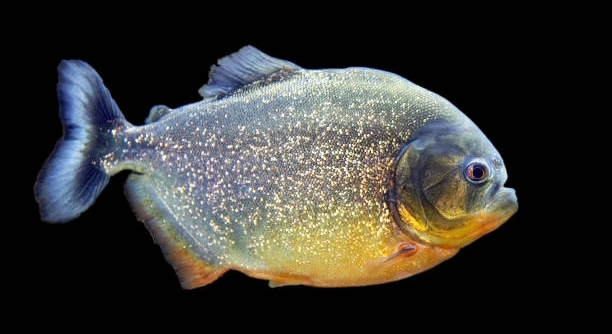
Piranha pacing is a common behavior observed in these fish when they become restless or stressed. It can occur in home aquariums or natural habitats. Understanding why this happens helps owners maintain healthier environments for their piranhas.
Seven common causes of piranha pacing include inadequate tank size, poor water quality, lack of stimulation, improper diet, overcrowding, sudden changes in environment, and presence of perceived threats. Each factor contributes to stress or discomfort that triggers pacing behavior.
Recognizing these causes can improve piranha care and reduce pacing incidents. This article will explain each cause and how to address it effectively.
Inadequate Tank Size
Piranhas require enough space to swim comfortably. When their tank is too small, they feel confined and stressed. This restriction often leads to pacing as they try to move around more than the space allows. Smaller tanks also make it harder to maintain stable water conditions. Over time, cramped living conditions can affect their health and behavior. It is important to provide a tank that meets or exceeds the recommended size for piranhas. The minimum recommended size for a single piranha is around 20 gallons, but larger groups need significantly more space. Proper tank size allows them to exhibit natural behavior and reduces pacing caused by stress.
A tank that is too small limits natural movement and increases anxiety in piranhas.
Choosing a tank size depends on the number of fish and their adult size. Larger tanks promote better water quality, which reduces stress. Inadequate space causes frustration and boredom, leading to repetitive pacing. Owners should invest in a tank that provides room to swim freely and includes hiding spots. Adding plants or decorations can offer stimulation and reduce pacing. Proper tank size is the foundation for a healthy environment and calmer fish. Monitoring tank conditions and upgrading when necessary prevents pacing related to space limitations.
Poor Water Quality
Poor water quality is a major factor that stresses piranhas. When water conditions deteriorate, toxins build up, making the environment uncomfortable and harmful. Ammonia, nitrites, and nitrates can increase if the tank is not cleaned regularly. High levels of these substances cause irritation and illness, prompting fish to pace in distress. Consistent water testing and partial water changes are necessary to maintain healthy conditions. Clean water supports piranhas’ immune systems and reduces pacing caused by discomfort.
Regular water maintenance is key to preventing stress-related pacing in piranhas.
Keeping the tank clean involves weekly water changes and monitoring chemical levels. Using a reliable water testing kit helps detect harmful spikes early. Filtration systems must be efficient and appropriate for the tank size. Overfeeding should be avoided as leftover food decays and pollutes the water. Proper feeding habits and tank cleaning routines improve water quality. When water conditions are stable, piranhas are less likely to pace due to environmental stress. Regular attention to water health is essential to keep piranhas calm and active.
Lack of Stimulation
Piranhas are active fish that require mental and physical engagement. Without enough stimulation, they can become bored and restless, resulting in pacing. A tank without decorations, hiding places, or plants offers little interest. This emptiness causes them to swim repetitively along the same paths. Providing a varied environment encourages natural behaviors and reduces stress. Movement of water, objects to explore, and visual barriers help keep piranhas occupied.
Stimulating the tank environment prevents pacing linked to boredom.
Adding driftwood, rocks, and plants creates hiding spots and exploration areas. Changing the tank layout occasionally can renew their interest. Toys or floating objects designed for fish tanks add enrichment. Interaction with their surroundings lowers stress and pacing frequency. In sum, mental and environmental stimulation is vital for maintaining healthy behavior in piranhas.
Improper Diet
Feeding piranhas the wrong diet affects their health and behavior. A diet lacking essential nutrients can lead to weakness and increased anxiety. Overfeeding causes poor water quality, which also stresses the fish. Piranhas need a balanced diet of protein-rich foods, such as fish fillets, shrimp, and specially formulated pellets. Providing a variety of food supports their nutritional needs and prevents pacing due to hunger or discomfort.
A poor diet weakens piranhas and increases pacing caused by stress.
Ensuring proper feeding routines is crucial. Feeding small amounts once or twice daily helps avoid overfeeding. Supplements like vitamins may be necessary in some cases. Observing their eating habits helps detect issues early. A healthy diet contributes to calmer fish and reduces the chance of pacing behavior related to dietary problems.
Overcrowding
Overcrowding in a tank causes competition for space, food, and oxygen. This leads to stress and pacing as fish try to escape or assert dominance. It also increases aggression among piranhas.
Too many piranhas in one tank restrict their movement and create tension. Limited space means fish cannot establish territories, leading to constant stress. They may pace near tank edges or swim rapidly to avoid others. Overcrowding affects water quality by increasing waste, further stressing the fish. Proper stocking levels and regular monitoring are necessary to prevent this problem. Reducing the number of piranhas or upgrading to a larger tank helps restore balance and calm.
Overcrowding also contributes to disease spread due to close contact. Stress weakens the immune system, making piranhas vulnerable. It is essential to balance the number of fish with tank size to maintain a healthy environment. Observing behavior regularly helps catch signs of overcrowding early, allowing for prompt adjustments. Maintaining proper conditions reduces pacing and improves overall well-being.
Sudden Changes in Environment
Sudden environmental changes, such as moving the tank or altering water temperature, cause stress in piranhas. They need stability to feel secure and avoid pacing behavior.
Any abrupt change disrupts their routine and can trigger panic or anxiety. Piranhas rely on consistent light, temperature, and water chemistry. Drastic shifts can shock their system and cause pacing or hiding. Slowly introducing changes helps the fish adjust without distress. Monitoring the tank carefully after any modification is crucial to detect stress signs. Maintaining a stable environment supports healthier behavior and reduces pacing.
Presence of Perceived Threats
Piranhas are naturally cautious and react strongly to anything they see as a threat. This can include sudden movements outside the tank or nearby aggressive tank mates.
Such perceived dangers increase stress levels, causing pacing as the fish tries to escape or stay alert. Removing or minimizing these threats helps calm their behavior.
Lighting Conditions
Bright or fluctuating lighting can stress piranhas. They prefer dim, consistent light that mimics their natural habitat. Harsh lighting may cause pacing as they try to find shaded areas.
Adjusting the lighting schedule and using subdued bulbs creates a comfortable environment. This reduces anxiety and promotes natural behavior in piranhas.
Tank Decorations and Hiding Spots
Providing adequate hiding places is essential for reducing stress. Piranhas feel safer with plants, rocks, or caves to retreat to when they feel threatened.
Hiding spots prevent pacing caused by anxiety and offer stimulation. A well-decorated tank helps maintain a peaceful environment and healthier fish.
FAQ
Why is my piranha pacing constantly?
Constant pacing usually signals stress or discomfort. Common causes include inadequate tank size, poor water quality, overcrowding, or sudden environmental changes. Piranhas need space, clean water, and stability to stay calm. Checking these factors often helps identify the reason behind pacing. Adjusting the tank conditions or environment can reduce pacing behavior significantly.
How can I reduce pacing in my piranha?
To reduce pacing, start by ensuring the tank is large enough and properly maintained. Improve water quality through regular cleaning and testing. Add decorations or hiding spots to provide stimulation. Avoid overcrowding and sudden changes in water temperature or lighting. Feeding a balanced diet also supports calmer behavior.
Is pacing harmful to piranhas?
Pacing itself is not directly harmful but indicates stress that can lead to health problems over time. Stress weakens the immune system, making piranhas more prone to illness. Addressing the causes of pacing early helps prevent long-term issues and promotes well-being.
Can lighting affect piranha behavior?
Yes, lighting plays an important role. Bright or inconsistent lighting stresses piranhas, which may result in pacing. They prefer dim, steady light similar to their natural environment. Adjusting lighting to suit their needs reduces anxiety and helps maintain normal behavior.
Does overcrowding increase pacing?
Overcrowding increases competition for space, food, and oxygen. This tension causes stress and pacing as fish try to cope. Proper tank stocking and space allow piranhas to establish territories and reduce aggression. Preventing overcrowding is key to calming pacing.
What diet helps minimize pacing?
A balanced, protein-rich diet supports healthy behavior. Overfeeding or poor nutrition can cause discomfort and stress, increasing pacing. Feeding quality pellets, fresh fish, and occasional treats in controlled amounts promotes calmness.
How often should I clean my piranha tank?
Regular tank maintenance is essential. Weekly partial water changes and consistent filter cleaning keep water quality high. Poor water conditions cause stress and pacing. Monitoring chemical levels with test kits helps maintain a safe environment.
Can tank decorations reduce pacing?
Yes, decorations provide hiding spots and mental stimulation. Plants, rocks, and caves offer places to retreat and explore. This enrichment reduces boredom and anxiety, which often cause pacing.
Is pacing normal for piranhas?
Occasional pacing may happen but frequent pacing signals a problem. It is a sign the fish is stressed or uncomfortable. Understanding the causes and making adjustments usually stops persistent pacing.
What should I do if pacing continues despite changes?
If pacing persists, reassess tank conditions and water quality. Consult an aquarium specialist or vet to rule out illness or injury. Sometimes underlying health issues can cause unusual behavior that requires professional attention.
Final Thoughts
Piranha pacing is a common behavior that often signals stress or discomfort in the fish. Understanding the reasons behind this behavior is important for providing the right care. Factors like overcrowding, poor water quality, sudden changes in environment, and lack of hiding places all contribute to pacing. Addressing these issues can help reduce stress and improve the overall well-being of piranhas. Creating a stable and comfortable environment should always be the priority for any fish keeper.
Maintaining proper tank conditions is essential in preventing pacing. This includes keeping the water clean and balanced, providing enough space for the fish to swim freely, and ensuring consistent lighting and temperature. Adding plants, rocks, and caves offers places for piranhas to hide and feel secure, which helps calm their nerves. Feeding a nutritious diet and avoiding overcrowding are also key elements in keeping them healthy. Regular observation allows you to detect pacing early and make necessary changes before the behavior worsens.
Even with the best care, some pacing may still occur as piranhas are naturally active fish. However, frequent or intense pacing should never be ignored. It often points to a problem that needs attention. Being patient and attentive helps create an environment where piranhas can thrive without stress. The effort put into understanding and addressing pacing will lead to healthier fish and a more enjoyable aquarium experience.

Hello,
If you enjoy the content that we create, please consider saying a "Thank You!" by leaving a tip.
Every little bit helps us continue crafting quality advice that supports the health, happiness, and well-being of pets around the world, for pets of all shapes, sizes, and species.
We really appreciate the kindness and support that you show us!