
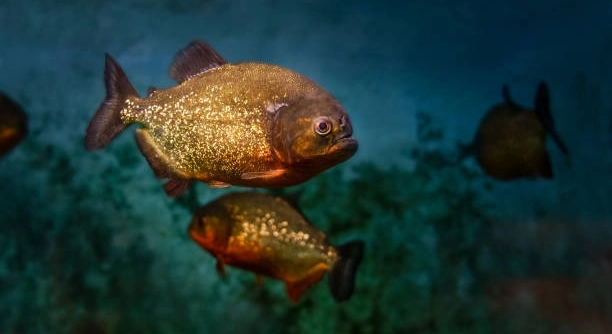
Low-flow setups are becoming popular for keeping piranhas healthy and comfortable. These systems use gentle water movement and filtration, creating an environment that matches piranhas’ natural habitats. Many hobbyists prefer low-flow setups for easier maintenance and better fish welfare.
Low-flow aquarium setups are designed to minimize water turbulence, reduce stress, and maintain stable water parameters for piranhas. These setups typically involve gentle filtration and circulation, which support the species’ natural behavior and improve overall tank conditions.
Understanding the benefits and options for low-flow systems can help you create a better home for your piranhas. This article highlights seven effective setups that piranhas appreciate for their calm and balanced environment.
Choosing the Right Low-Flow Filter
Selecting a suitable low-flow filter is essential for a piranha tank. These fish prefer calmer waters, so high-powered filters that create strong currents can cause stress. Common options include sponge filters, canister filters with adjustable flow, and internal filters set to low speed. Sponge filters are gentle and provide excellent biological filtration without disturbing the water too much. Canister filters can be customized to slow the flow, which helps maintain water clarity and quality without overwhelming the fish. Internal filters work well in smaller tanks but may need adjustments to reduce water movement. Choosing the right filter depends on your tank size and setup, but the key is to ensure the water moves gently while still maintaining proper filtration. This balance supports piranha health and reduces the risk of injuries caused by strong currents.
Low-flow filters help maintain clean, stable water conditions while keeping the environment calm and safe for piranhas.
Using the right filter also means less frequent maintenance and a happier, less stressed piranha. When the water flow is gentle, your fish can exhibit natural behavior, feed better, and avoid unnecessary exhaustion. This makes managing your aquarium easier and more enjoyable.
Creating Natural Hiding Spots
Piranhas need places to hide and feel secure. Including natural hiding spots in the tank, such as driftwood, rocks, and dense plants, helps reduce their stress. These spots mimic their natural habitat where they can retreat when feeling threatened or resting. Driftwood not only provides shelter but also releases tannins that slightly soften water, which many piranhas prefer. Rocks create caves and crevices, offering additional refuge areas. Plants, whether real or artificial, add cover and help break up open spaces in the tank. A well-planned layout with multiple hiding spots encourages piranhas to explore while giving them a sense of safety. Avoid overcrowding the tank with too many decorations, as this can limit swimming space and cause territorial aggression.
Strategically placed hiding spots help piranhas feel secure and behave naturally.
Adding these elements creates a balanced environment that lowers stress and promotes healthy interactions. The calm, sheltered spaces reduce aggressive encounters, making your tank a better place for all fish.
Using Gentle Water Circulation
Low-flow setups depend on gentle water movement to avoid stressing piranhas. Too much current can tire them out and disrupt their natural behavior.
Creating soft water circulation often involves adjusting filter flow rates or adding air stones to encourage slow, even water movement. This helps oxygenate the tank without causing strong currents. Avoid placing filter outputs directly toward resting or hiding areas, as constant strong flow can discourage fish from using those spots. Using flow diffusers or spray bars can help spread water movement evenly across the tank. Soft circulation also aids in distributing nutrients and maintaining consistent water quality, which supports piranha health. Balancing flow is key to a comfortable, natural-feeling environment for these fish.
Gentle water movement ensures a stable habitat while reducing stress. This approach helps piranhas stay active yet relaxed in their tank.
Adjusting circulation according to tank size and filter power can prevent problems like excessive swimming or injury. Monitoring fish behavior will guide fine-tuning until the flow suits your piranhas perfectly.
Maintaining Stable Water Parameters
Stable water conditions are vital in low-flow piranha tanks to keep fish healthy. Sudden changes in temperature, pH, or ammonia levels can be harmful. Regular testing and consistent water changes help maintain balance. Low-flow setups may experience slower filtration, so monitoring parameters is important to avoid buildup of toxins.
Using a reliable heater with a thermostat maintains steady temperatures, usually between 74°F and 82°F, which piranhas prefer. Keeping pH between 6.5 and 7.5 helps mimic their natural environment. Partial water changes, about 20-30% weekly, support water quality without stressing fish with large fluctuations. Avoid overfeeding to reduce waste, which can quickly degrade water conditions. Clean substrate and decorations during maintenance to prevent buildup. Consistent care and attention to water parameters ensure a healthy, thriving piranha habitat over time.
Choosing Appropriate Tank Size
Piranhas need enough space to swim without feeling crowded. A larger tank reduces stress and aggression.
A minimum of 20 gallons per piranha is recommended for low-flow setups to maintain water quality and provide room for natural behavior.
Selecting Compatible Tank Mates
Piranhas are aggressive and may harm other fish. Choosing tank mates requires caution. Avoid smaller or slow-moving species.
Opt for larger, robust fish that can tolerate similar water conditions and strong personalities without triggering conflicts.
Using Soft Substrate
Soft substrates like sand or smooth gravel prevent injury. Rough or sharp substrates can harm piranhas’ delicate fins and bodies.
Soft substrate also makes cleaning easier and replicates the natural riverbeds where piranhas live. It supports a calm tank environment.
FAQ
What is a low-flow setup, and why is it important for piranhas?
A low-flow setup refers to an aquarium system where water movement is gentle and slow. This type of setup is important for piranhas because they come from calmer waters where strong currents are uncommon. High water flow can cause stress, tire the fish, and disrupt their natural behavior. Low-flow systems help maintain stable water conditions while providing a comfortable environment that mimics their natural habitat.
How can I reduce the flow rate in my existing filter?
Most filters allow you to adjust the flow rate by using valves or control knobs. If your filter doesn’t have adjustable settings, you can attach flow diffusers or spray bars to disperse the water more evenly. Another option is to partially block the filter output with foam or mesh to slow down water movement. It’s important to monitor your fish closely after adjustments to make sure the flow is gentle but still effective for filtration.
What types of filters work best in a low-flow piranha tank?
Sponge filters, canister filters with adjustable flow, and internal filters set on low are ideal. Sponge filters provide biological filtration without creating strong currents. Canister filters allow you to control flow and maintain high water quality. Internal filters are good for smaller tanks but may need modifications to reduce water movement. The key is balancing efficient filtration with minimal water disturbance.
How often should I perform water changes in a low-flow setup?
Regular water changes are necessary to maintain water quality. In low-flow systems, toxins can build up faster due to slower filtration. Aim for a 20-30% water change every week. This helps remove waste and replenish essential minerals. Consistency is important to avoid sudden shifts in water chemistry that could stress your piranhas.
Can piranhas live peacefully with other fish in a low-flow setup?
Piranhas are naturally aggressive and territorial, so choosing tank mates requires care. Large, fast-swimming fish with similar temperaments may coexist, but it’s risky. Smaller or slow-moving fish are likely to be attacked. In low-flow tanks, piranhas feel more secure, which can reduce aggression slightly, but it doesn’t guarantee peaceful behavior. Many keepers prefer keeping piranhas alone to avoid conflicts.
What kind of substrate should I use in a low-flow piranha tank?
Soft substrates like fine sand or smooth gravel are best. These substrates reduce the risk of injury to your piranhas, who can be sensitive to sharp or rough surfaces. Soft substrate also helps replicate the natural riverbeds piranhas come from and makes tank cleaning easier. Avoid sharp or coarse gravel that might damage fins or skin.
How can I create hiding spots without disrupting low-flow conditions?
Use decorations like driftwood, rocks, and plants placed carefully to avoid blocking water circulation. Arrange them to form caves and shaded areas where piranhas can retreat. Make sure water can still flow gently around these spots. Avoid overcrowding, as too many decorations can reduce swimming space and increase aggression. Balanced placement keeps the tank both safe and comfortable.
Is it necessary to add an air stone in a low-flow setup?
Adding an air stone can improve oxygenation without creating strong currents. It provides gentle bubbles that help circulate surface water, increasing gas exchange. This is helpful in low-flow tanks where water movement is minimal. However, make sure the air stone is not too powerful, as excessive bubbles might stress the fish.
How do I monitor if the flow is too strong or too weak?
Observe your piranhas’ behavior closely. If they constantly swim against the current, appear tired, or avoid certain areas, the flow might be too strong. If debris or waste builds up quickly or water quality declines, the flow may be too weak to circulate the tank properly. Adjust flow settings gradually and watch for changes in fish behavior and tank cleanliness.
Can I use live plants in a low-flow piranha tank?
Yes, but choose hardy plants that tolerate low to moderate water movement, such as Anubias, Java fern, or Amazon sword. Live plants improve water quality and provide natural hiding spots. Avoid delicate species that need strong currents. Plants also help maintain a natural environment, which benefits your piranhas’ health and reduces stress.
How important is lighting in a low-flow piranha aquarium?
Lighting should mimic natural day and night cycles. Too much light can stress piranhas, while too little may harm plants and disrupt fish behavior. Use moderate lighting with a timer to create consistent periods of light and darkness. Proper lighting supports healthy plants and fish while keeping the tank environment balanced.
What temperature range is ideal for piranhas in a low-flow tank?
Piranhas thrive in temperatures between 74°F and 82°F (23°C–28°C). Maintaining a stable temperature within this range reduces stress and promotes healthy metabolism. Use a reliable heater with a thermostat to avoid fluctuations. Sudden temperature changes can weaken your fish and make them more susceptible to disease.
How do I prevent piranhas from becoming aggressive in a low-flow setup?
Aggression is natural but can be managed by providing adequate space, hiding spots, and minimizing stress. Low-flow water reduces agitation, which helps calm the fish. Avoid overcrowding and keep tank conditions stable. Regular feeding with a balanced diet also reduces competition. While aggression can’t be completely eliminated, these steps help keep it under control.
What should I feed piranhas in a low-flow aquarium?
Piranhas are carnivores that thrive on a diet of high-protein foods. Offer a mix of pellets formulated for carnivorous fish, frozen or live foods such as shrimp, fish fillets, and insects. Feed in small amounts to avoid leftover waste, which can pollute the tank. Consistent, balanced feeding supports health and reduces aggressive behavior caused by hunger.
Are there any special maintenance tips for low-flow piranha tanks?
Regularly check water parameters and clean filters to maintain stable conditions. Low-flow setups may accumulate debris faster, so vacuum the substrate gently during water changes. Inspect decorations and plants for buildup or damage. Monitor fish behavior to catch early signs of stress or illness. Keeping the tank clean and balanced ensures a healthy environment for your piranhas.
Final Thoughts
Setting up a low-flow aquarium for piranhas requires careful planning and attention to their natural needs. These fish come from calm waters, so strong currents can cause them stress and discomfort. Choosing the right equipment and arranging the tank properly helps create a peaceful environment. Low-flow setups allow piranhas to behave more naturally, reducing unnecessary aggression and improving their overall well-being. This type of setup also helps maintain stable water conditions, which is essential for the health of these fish.
While creating a low-flow tank, it is important to balance filtration with gentle water movement. Filters should clean the water efficiently without producing strong currents. Adding soft substrate, hiding spots, and suitable decorations can make the tank feel safe and comfortable. Live plants are a good option for enhancing the tank’s natural look and improving water quality. Attention to temperature, lighting, and regular maintenance keeps the environment stable and reduces stress for your piranhas. All these factors contribute to a healthier and happier aquarium.
Maintaining a low-flow piranha tank takes effort and patience, but it is worth it to see your fish thrive. Understanding their specific requirements helps avoid common problems like aggression, illness, or poor water quality. Regular water changes and proper feeding are simple but important steps. Remember that each tank is unique, so adjustments might be necessary based on how your piranhas respond. Overall, a well-planned low-flow setup creates a peaceful habitat where these fascinating fish can live comfortably and safely.

Hello,
If you enjoy the content that we create, please consider saying a "Thank You!" by leaving a tip.
Every little bit helps us continue crafting quality advice that supports the health, happiness, and well-being of pets around the world, for pets of all shapes, sizes, and species.
We really appreciate the kindness and support that you show us!