
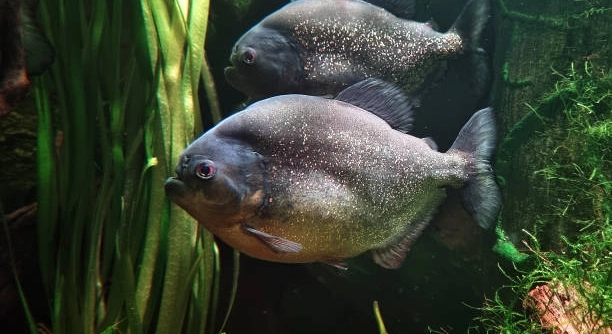
Many aquarium owners enjoy keeping piranhas but sometimes struggle with how they react to filter settings. Knowing how piranhas respond can help maintain a healthy tank environment. This article will explain key filter settings that affect their behavior.
Piranhas often react to filter flow rate, water current direction, oxygen levels, noise, vibrations, water temperature changes, and filter placement. These factors influence their stress levels, swimming patterns, and overall health in captivity.
Understanding these filter settings will help you create a stable habitat for your piranhas and improve their well-being in your aquarium.
Filter Flow Rate and Water Current Direction
The flow rate of your filter plays a big role in how piranhas behave. If the water moves too fast, piranhas can become stressed and try to avoid strong currents. This may cause them to hide more or swim in an erratic way. On the other hand, if the flow is too slow, the tank may not get enough circulation, which can reduce oxygen levels. Water current direction also matters because piranhas prefer to swim against a gentle current. Setting your filter to create a steady, moderate flow will help them feel comfortable. Adjusting the flow helps keep the tank clean without overwhelming the fish. Many piranha keepers notice calmer fish when flow is balanced properly. Avoid placing the filter outlet too close to where piranhas gather to prevent disturbances. Overall, paying attention to flow rate and current direction improves their environment and reduces stress.
Finding the right flow balance keeps piranhas active but relaxed, supporting their natural behavior.
Proper flow and current make your tank a better home for piranhas and help maintain water quality efficiently.
Noise and Vibrations from the Filter
Filters often produce noise and vibrations that affect piranhas. Even small sounds or shaking can disturb them, causing hiding or unusual swimming. Piranhas have sensitive lateral lines, which detect vibrations in water. Excess noise makes them uneasy. To minimize this, choose a quiet filter and place it on a soft surface or use vibration pads. Reducing noise improves their comfort and decreases stress levels. Some filters are specially designed to operate silently, which works well for sensitive species like piranhas. Keeping the filter well-maintained also prevents extra noise from worn parts. Regular checks and cleaning can keep vibrations low and your fish calm. Simple adjustments to noise and vibrations can create a peaceful aquarium atmosphere that piranhas prefer.
Oxygen Levels in the Tank
Oxygen levels in the water are vital for piranhas’ survival. Too little oxygen can make them weak and inactive.
Filters help increase oxygen by moving water and exposing it to air. However, if the filter flow is too gentle or the tank is overcrowded, oxygen might still be low. Using an air stone or adjusting the filter outlet to agitate the water surface can boost oxygen levels. Proper oxygenation supports healthy metabolism and reduces stress, keeping piranhas more energetic and alert in their environment.
Maintaining consistent oxygen levels is crucial, especially during warm weather when oxygen naturally decreases. Checking oxygen regularly and adjusting filtration can prevent problems before they start.
Water Temperature Changes
Sudden temperature shifts can cause stress or illness in piranhas. Filters that warm or cool the water too quickly may harm their health. Consistent, stable temperature is best for these fish.
Avoid placing filters near heat sources or air vents that cause temperature swings. Using a reliable heater and monitoring water temperature daily helps keep it steady. Piranhas usually thrive between 74°F and 82°F (23°C–28°C). Slow, gradual changes allow piranhas to adjust better, minimizing shock. Stability in temperature also supports their immune system, reducing risks of disease.
If you notice frequent temperature changes, consider repositioning your filter or tank. Small steps like insulation or room temperature control can make a big difference. This creates a safer environment where piranhas can grow and behave naturally.
Filter Placement in the Aquarium
Where the filter is placed affects piranhas’ comfort. Filters too close to hiding spots can cause stress. Placing the filter near open swimming areas helps maintain good water circulation without disturbing resting fish.
Proper placement also ensures waste is removed efficiently, keeping water cleaner and healthier for piranhas.
Water Clarity and Filtration Quality
High-quality filtration improves water clarity by removing debris and harmful substances. Clear water helps piranhas see their environment better and reduces stress. Mechanical filtration traps solid waste, while biological filtration breaks down toxins. Regular maintenance ensures filters work well. Dirty or clogged filters reduce effectiveness and can harm water quality, causing piranhas to react negatively.
Investing time in good filtration supports healthy, active fish and a cleaner tank overall.
Filter Maintenance Frequency
Filters need regular cleaning to work properly. Neglecting maintenance lowers filtration quality, affecting piranhas’ health.
FAQ
How often should I clean my piranha tank filter?
Cleaning your filter every two to four weeks is usually enough, depending on your tank size and fish load. Overcleaning can remove beneficial bacteria, so rinse filter media gently in tank water instead of tap water. Regular cleaning keeps the filter working well, preventing poor water quality that stresses piranhas.
What filter flow rate is best for piranhas?
Piranhas prefer moderate flow rates that mimic gentle river currents. Too strong a flow can cause stress and erratic swimming. Look for filters with adjustable flow settings and aim for around 4 to 6 times the tank volume per hour. This balance keeps water clean without overwhelming your fish.
Can piranhas tolerate low oxygen levels?
Piranhas need well-oxygenated water to stay healthy. Low oxygen can lead to lethargy and even death. Good filtration combined with surface agitation helps maintain oxygen levels. Using an air stone or bubbler can also improve oxygen without disturbing the fish.
Is filter noise harmful to piranhas?
Excessive noise and vibrations from filters can stress piranhas. Their sensitive lateral line system detects vibrations, so noisy filters might make them hide or behave nervously. Choosing a quiet filter and reducing vibration with pads or soft placement helps create a calm environment.
How do temperature changes affect piranhas?
Sudden temperature changes can shock piranhas, weakening their immune system and causing illness. Keep the tank temperature stable between 74°F and 82°F (23°C–28°C). Avoid placing filters near heaters or vents that cause rapid temperature swings. Consistency is key for their well-being.
Where should I place my filter in the tank?
Place the filter outlet where it creates gentle water flow without directly blasting piranhas’ resting or hiding areas. This keeps fish comfortable and improves overall water circulation. Positioning the filter near open spaces encourages natural swimming behavior while maintaining cleanliness.
How does water clarity impact piranha behavior?
Clear water helps piranhas see their surroundings and reduces stress. Dirty or cloudy water makes them nervous and less active. Proper mechanical and biological filtration is essential for keeping water clear and healthy. Regular filter maintenance is important to avoid buildup of waste and toxins.
What are signs that the filter is not working properly?
If water becomes cloudy, smells bad, or you notice more fish hiding or gasping, the filter may be failing. Also watch for excessive algae growth or debris accumulation. These signs mean the filter needs cleaning or repair. Keeping the filter in good condition supports piranhas’ health.
Can I use any type of filter for a piranha tank?
Not all filters suit piranhas. Choose filters designed for medium to large fish tanks with adjustable flow and quiet operation. Sponge filters can be good for small tanks but may not provide enough circulation for bigger setups. Consider your tank size and fish number when picking a filter.
How do vibrations from the filter affect piranhas?
Vibrations stress piranhas because their lateral lines detect even subtle movements in the water. This can cause hiding, loss of appetite, or aggression. To reduce vibrations, place the filter on soft material and check for loose parts regularly. Quiet, stable filtration improves their comfort and health.
Finding the right filter settings for your piranha tank is important for keeping your fish healthy and comfortable. Filters help keep the water clean and oxygen-rich, which supports good fish health. However, if the flow is too strong or the noise is too loud, piranhas can become stressed. It’s important to find a balance that keeps the tank environment stable and calm. Paying attention to how your fish behave can help you adjust settings as needed.
Regular maintenance is also a key part of keeping your filter working well. Cleaning the filter media gently and on a consistent schedule helps remove waste without disturbing beneficial bacteria. This keeps the water clear and safe for your piranhas. Checking the filter for vibrations or unusual noises and placing it carefully in the tank will also improve your fish’s environment. Small steps like these add up and make a big difference in their overall health and activity.
Temperature stability and oxygen levels work hand in hand with filtration to support your piranhas. Sudden changes in water temperature or low oxygen can cause stress and illness. Ensuring your filter promotes good circulation and surface agitation helps maintain oxygen levels. Avoiding quick temperature shifts by positioning heaters and filters properly creates a steady habitat. By focusing on these factors, you can create a tank where piranhas feel safe, swim naturally, and thrive over time.

Hello,
If you enjoy the content that we create, please consider saying a "Thank You!" by leaving a tip.
Every little bit helps us continue crafting quality advice that supports the health, happiness, and well-being of pets around the world, for pets of all shapes, sizes, and species.
We really appreciate the kindness and support that you show us!