
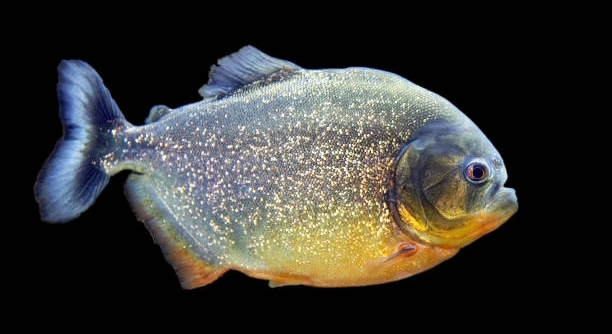
Piranhas are known for their sharp teeth and powerful bite. Maintaining their teeth is essential for their survival in the wild. Understanding how piranhas manage their dental health helps explain their behavior and feeding habits.
Piranha teeth require constant maintenance through natural processes such as regular tooth replacement and wear from chewing. Their teeth grow in rows and are continuously replaced to prevent damage and ensure effective feeding. This biological system supports their predatory lifestyle.
Learning about these facts reveals the unique adaptations piranhas have to keep their teeth functional. This knowledge highlights the balance between their anatomy and environment.
Natural Tooth Replacement in Piranhas
Piranhas continuously replace their teeth throughout their lives. Unlike humans, whose teeth are permanent, piranhas have several rows of teeth in their jaws. When one tooth becomes worn or damaged, it falls out, and another tooth from the row behind moves forward to take its place. This cycle happens regularly, allowing piranhas to maintain sharp, functional teeth at all times. The replacement process ensures that their teeth stay effective for biting and tearing prey. This natural adaptation prevents issues related to broken or dull teeth, which could impact their ability to feed properly. The constant regeneration is vital because piranhas rely heavily on their teeth to hunt and survive. Without this system, they would be less efficient predators.
This tooth replacement happens rapidly compared to many other animals. Piranhas can replace a tooth within days or weeks, depending on the wear and damage.
Maintaining sharp teeth is necessary because piranhas use them not only for feeding but also for defense and territorial fights. Their teeth must stay strong and sharp to perform these tasks effectively, and continuous replacement supports these critical needs.
How Piranha Teeth Wear Down
Piranha teeth wear down due to their diet and behavior. They consume tough prey, which requires powerful biting and tearing motions. This constant pressure and abrasion naturally erode their teeth over time. Additionally, piranhas sometimes bite hard surfaces like rocks or submerged wood, accelerating tooth wear. Their feeding habits mean their teeth must endure frequent stress, causing chips or cracks. These factors make continuous tooth replacement essential to keep them functional.
The wear on piranha teeth happens gradually but is unavoidable due to their feeding environment and habits.
Because their teeth wear down so quickly, piranhas have evolved to grow new teeth swiftly. This rapid tooth turnover allows them to maintain effective hunting tools without interruption. The cycle of wear and replacement is a natural part of their life, balancing the need for durability with the limitations of tooth material. Understanding this process explains why piranhas’ teeth are always sharp, despite the challenges of their diet and environment.
The Role of Saliva in Tooth Care
Saliva plays an important role in keeping piranha teeth healthy. It helps clean the teeth by washing away food particles and bacteria that could cause damage. This natural cleansing protects their teeth from decay and infection.
Piranha saliva contains enzymes that assist in breaking down food, reducing the buildup on their teeth. These enzymes help to prevent harmful bacteria from accumulating, which could otherwise lead to infections or weaken their teeth. Saliva also maintains moisture, preventing the teeth from drying out and becoming brittle. This combination of cleansing and protective functions makes saliva an essential factor in piranha dental health, working alongside their constant tooth replacement.
The continuous presence of saliva supports a healthy environment in the mouth, helping piranhas avoid complications that could interfere with feeding. Without saliva, their teeth would be more vulnerable to damage and disease.
Diet Influences on Teeth Maintenance
A piranha’s diet directly affects how its teeth wear and grow. Their preference for meat and tough prey puts extra strain on their teeth. Hard bones, scales, and other resistant materials contribute to faster tooth wear.
Because of their demanding diet, piranhas must replace teeth more frequently than animals that eat softer foods. This constant tooth renewal compensates for the damage caused by biting into hard materials. Their teeth are adapted to handle this wear, but replacement ensures they remain sharp and functional. The diet’s impact on tooth maintenance highlights the importance of their natural tooth cycle in survival. Piranhas without the ability to replace teeth would struggle to process their typical prey, which could lead to starvation or injury.
Teeth Sharpness and Hunting Efficiency
Sharp teeth are crucial for piranhas to catch and hold prey. Dull teeth reduce their ability to bite effectively, making hunting difficult. Their natural tooth replacement keeps teeth sharp for survival.
Maintaining sharpness allows piranhas to tear through flesh quickly. This sharpness is vital during feeding and territorial disputes.
Environmental Factors Affecting Teeth Health
Water quality and habitat conditions impact piranha teeth health. Polluted or acidic water can weaken teeth and slow the replacement process. Clean, balanced environments help maintain strong teeth and overall health.
Piranha Teeth Structure
Piranha teeth are triangular, pointed, and serrated. This shape aids in cutting through prey flesh efficiently. Their teeth are firmly anchored but designed to fall out easily when worn.
Interaction with Other Species
Piranhas sometimes use their teeth defensively against predators and competitors. Sharp teeth serve as deterrents and weapons in aggressive encounters.
FAQ
How often do piranhas replace their teeth?
Piranhas replace their teeth regularly, usually every few weeks. The exact timing depends on how much their teeth wear down from feeding and biting. Since their teeth are essential tools for survival, this frequent replacement keeps them sharp and effective.
Why do piranhas need multiple rows of teeth?
Multiple rows of teeth ensure that when one tooth falls out or wears down, another is ready to replace it immediately. This system prevents any gaps in their bite, maintaining their ability to catch prey without interruption. It also distributes the stress of biting among several teeth.
Can piranha teeth get infected?
Infections are rare because piranhas have natural defenses like saliva that reduce harmful bacteria. However, if a tooth is damaged badly or the water they live in is polluted, infections can occur. Healthy water and regular tooth replacement help prevent these problems.
Do piranha teeth ever stop growing?
No, piranha teeth do not stop growing. They continuously produce new teeth throughout their lives. This constant growth and replacement process is vital because their teeth wear down quickly due to their tough diet and biting habits.
How sharp are piranha teeth compared to other fish?
Piranha teeth are sharper than most fish because of their pointed and serrated shape. This sharpness allows them to tear flesh efficiently, which is necessary for their carnivorous diet. Their teeth function similarly to small knives or saw blades.
What happens if a piranha loses several teeth at once?
If a piranha loses several teeth simultaneously, it is usually not a serious problem. The replacement teeth in the rows behind quickly move forward to fill the gaps. This rapid replacement system minimizes the time they are without functional teeth.
Does diet affect how quickly piranhas lose their teeth?
Yes, diet directly influences tooth wear. Piranhas eating harder or tougher prey will wear down their teeth faster. Softer diets might reduce tooth damage, but piranhas naturally prefer meat and bones, which increase wear and tear.
Can piranhas survive without their teeth?
Survival without teeth is difficult for piranhas. Their feeding style depends on biting and tearing. Without sharp teeth, they cannot catch or process prey efficiently, which threatens their survival. The tooth replacement system prevents long-term tooth loss.
How does water quality influence piranha teeth health?
Good water quality supports healthy teeth by reducing exposure to harmful chemicals and bacteria. Poor water conditions can cause tooth decay or slow down the tooth replacement process. Maintaining clean habitats is important for overall piranha health.
Are piranha teeth used for anything besides feeding?
Yes, piranha teeth are also tools for defense and territorial disputes. They use their sharp teeth to scare off predators and rivals. This aggressive use makes their teeth essential beyond just feeding.
Do piranha teeth vary between species?
There are some differences in tooth size and shape among piranha species, but all have sharp, serrated teeth designed for cutting. These variations reflect different diets or hunting methods but generally serve the same purpose.
How fast can a piranha bite?
Piranhas bite very quickly, often within milliseconds. This fast action depends on their strong jaw muscles and sharp teeth, allowing them to grab prey before it escapes. Speed is important in their hunting success.
Can humans get infected from piranha bites?
Piranha bites can cause wounds, but infections depend on wound care and water conditions. Proper cleaning and medical attention reduce infection risks. Piranha teeth carry bacteria, so caution is needed after a bite.
Are piranha teeth used in any cultural or practical ways?
In some cultures, piranha teeth are used as jewelry or tools due to their sharpness and unique shape. However, these uses are secondary to the biological function of the teeth in nature.
How do scientists study piranha teeth maintenance?
Researchers study piranha teeth through observation, examination of jaw structures, and analysis of feeding behavior. Advances in imaging help understand tooth growth and replacement at the cellular level. These studies reveal important survival mechanisms.
Final Thoughts
Piranha teeth maintenance is a fascinating example of natural adaptation. Their ability to replace teeth frequently keeps them well-equipped to handle their tough diet and aggressive feeding habits. This constant renewal process ensures that piranhas maintain sharp, effective teeth, which are essential for catching and processing prey. Unlike many other animals, piranhas do not rely on dental hygiene or cleaning methods. Instead, their teeth wear down and fall out naturally, making room for new teeth to grow in their place. This system works efficiently to keep their bite strong and functional at all times.
The environment in which piranhas live plays a significant role in their dental health. Water quality, diet, and habitat conditions all influence how well their teeth develop and replace themselves. Clean water and a natural diet help minimize damage and prevent infections. Polluted or acidic environments, on the other hand, can weaken their teeth and slow down the replacement cycle. Understanding these factors is important for anyone studying piranhas or caring for them in captivity. Providing conditions that mimic their natural habitat supports their overall health, including the maintenance of their teeth.
In summary, piranha teeth maintenance is a complex, ongoing process that highlights the resilience of these fish. Their teeth are specialized to suit their carnivorous lifestyle, and the constant replacement ensures they remain sharp and functional. Environmental factors and diet impact this process, but their natural design allows them to adapt and survive. Recognizing how these elements interact helps in appreciating the biological efficiency of piranhas. This knowledge can also aid in conservation efforts and improve the care provided to these remarkable creatures in aquariums or research settings.

Hello,
If you enjoy the content that we create, please consider saying a "Thank You!" by leaving a tip.
Every little bit helps us continue crafting quality advice that supports the health, happiness, and well-being of pets around the world, for pets of all shapes, sizes, and species.
We really appreciate the kindness and support that you show us!