
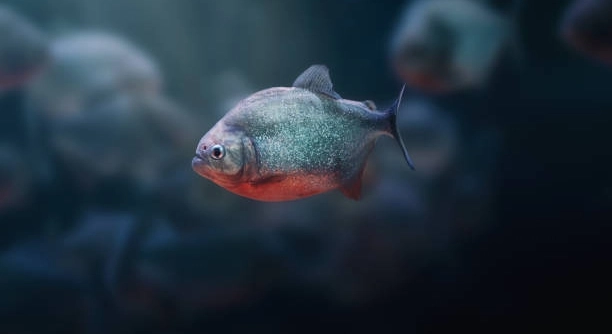
Keeping a piranha’s environment stable is important for its health and well-being. Consistent water conditions and proper tank care help reduce stress and prevent disease. This article will guide you on how to maintain a steady habitat for your piranha.
Maintaining a consistent environment for piranhas involves regular monitoring of water temperature, pH levels, and filtration systems. Stability in these factors prevents fluctuations that can harm the fish’s immune system and overall health. Consistent feeding schedules also contribute to their well-being.
Understanding the basics of piranha care can improve your fish’s quality of life. Small changes in their environment can make a big difference in keeping them healthy and active.
Setting the Right Water Temperature
Piranhas need stable water temperatures to thrive, usually between 75°F and 80°F (24°C to 27°C). Sudden temperature changes can stress them and cause health problems. Using a reliable heater with a thermostat helps maintain this range consistently. Regularly check the temperature with a thermometer to catch any shifts early. It’s also important to avoid placing the tank near windows or vents where temperatures can fluctuate due to sunlight or drafts. Keeping the water warm but steady creates a comfortable environment that supports your piranha’s natural behavior. If the water becomes too cold or too warm, their immune system weakens, making them vulnerable to infections. Monitoring and adjusting the heater ensures a calm and healthy habitat for your fish every day. Consistency here is key to preventing unnecessary stress or illness.
Keeping the tank temperature steady prevents sudden stress for your piranha, helping it stay healthy and active over time.
Water temperature affects more than just comfort; it controls metabolic rate and digestion. When water is too cold, your piranha may become lethargic and eat less. Too warm, and their oxygen needs increase, which can be dangerous. To maintain ideal conditions, avoid placing the tank near heat sources or cold drafts. Using an aquarium heater with a built-in thermostat is the best way to keep temperatures stable. Make sure to test water temperature daily, especially during seasonal changes. Regular maintenance of the heater also ensures it functions correctly. Consistent temperature supports your piranha’s immune system and behavior, making them less prone to stress and disease. These small steps can make a big difference in your fish’s health and comfort.
Maintaining Water Quality
Keeping the water clean and balanced is essential for piranhas. Frequent water changes help remove toxins and waste that build up over time. Use a good filter to keep water clear and remove harmful substances. Testing water parameters like pH, ammonia, nitrites, and nitrates regularly ensures the tank stays safe. Piranhas prefer slightly acidic to neutral water with a pH between 6.5 and 7.5. Keeping these levels steady prevents stress and illness. Avoid overcrowding the tank, as too many fish create more waste and increase the need for cleaning. Maintaining proper water quality requires attention and routine care, but it helps your piranha live longer and stronger.
A clean, balanced tank supports your piranha’s health and reduces the chance of disease.
Good water quality is the foundation of a healthy piranha environment. Regular partial water changes, usually 20-30% weekly, remove harmful chemicals and replenish essential minerals. Avoid using untreated tap water, as chlorine and other chemicals can be harmful. Use a water conditioner to make tap water safe. The filter plays a critical role by removing debris and cycling beneficial bacteria that break down waste. Test kits help monitor water parameters so you can react quickly if something is off. Maintaining stable pH levels between 6.5 and 7.5 keeps your piranha comfortable and reduces stress. Watch out for ammonia and nitrite spikes, which are toxic even at low levels. Keeping the tank clean, well-filtered, and chemically balanced creates a safe home for your piranha to thrive.
Feeding Your Piranha
Feeding your piranha the right diet is important for its health. They need a mix of protein-rich foods and occasional vegetables. Avoid overfeeding, as leftover food can pollute the water and harm your fish.
Piranhas are carnivores, so their diet should mainly include fish pellets, frozen or live foods like shrimp, and small fish. These provide essential nutrients for growth and energy. You can offer vegetables like peas occasionally to support digestion, but protein should be the focus. Feed your piranha once or twice a day, only giving as much as they can eat in a few minutes. Overfeeding causes waste buildup and can lead to water quality issues that stress your fish. Proper feeding keeps your piranha healthy and active.
It’s important to monitor your piranha’s eating habits. If it suddenly stops eating or seems less interested, check the water conditions or stress factors. Changes in appetite can be signs of illness or discomfort. Regular feeding routines help keep your piranha in good shape and maintain a balanced environment in the tank.
Tank Setup and Decoration
Choose tank decorations carefully to avoid stressing your piranha. Use smooth rocks, driftwood, and plants to create hiding spots without sharp edges.
Piranhas feel safer with places to hide, so providing cover is essential. Avoid sharp or rough decorations that could injure them during swimming or territorial displays. Live or artificial plants add natural cover and help reduce stress. Make sure the tank is large enough—at least 75 gallons for one adult piranha—to allow space for swimming and reduce aggression. The substrate should be smooth gravel or sand to prevent damage to their delicate fins. A well-planned setup mimics their natural habitat, helping them feel secure and less aggressive.
Keeping the tank clean is easier when decorations are arranged thoughtfully. Avoid overcrowding the tank with too many items, which can trap waste and make cleaning difficult. Regularly clean decorations and check for algae growth. A good setup promotes healthy behavior and makes tank maintenance simpler for you.
Monitoring Water Parameters
Regular testing of water parameters is crucial to keep the environment safe. Use test kits to check pH, ammonia, nitrites, and nitrates frequently.
Consistent monitoring helps catch problems early before they affect your piranha’s health. Keeping these parameters stable supports a healthy tank.
Managing Tank Lighting
Use moderate lighting to simulate natural conditions. Avoid bright or direct light that can stress your piranha.
Proper lighting supports the fish’s natural rhythms and helps plants grow without causing stress or algae overgrowth.
Controlling Tank Temperature Fluctuations
Temperature swings are harmful to piranhas. Keep the tank in a stable spot away from drafts or direct sunlight.
FAQ
How often should I change the water in my piranha tank?
Regular water changes are important to keep your piranha healthy. Change about 20-30% of the water once a week to remove toxins and keep water quality high. More frequent changes may be needed if the tank is crowded or if water tests show high levels of ammonia or nitrates. Use a water conditioner when adding new water to remove chlorine and other harmful chemicals.
What is the ideal pH level for a piranha tank?
Piranhas prefer slightly acidic to neutral water. The ideal pH range is between 6.5 and 7.5. Keeping pH stable within this range reduces stress and helps your fish stay healthy. Sudden changes in pH can weaken their immune system and make them more prone to disease. Use test kits regularly and adjust with aquarium-safe products if needed.
Can piranhas live with other fish?
Piranhas are generally aggressive and territorial. It is best to keep them alone or with species that can handle their behavior. If you want tank mates, choose large, fast, and sturdy fish that won’t fit into the piranha’s mouth. Even then, watch closely for signs of aggression. A spacious tank with plenty of hiding spots helps reduce fights.
What should I feed my piranha?
Piranhas are carnivores and need a diet high in protein. Feed them fish pellets, frozen or live foods like shrimp, worms, or small fish. Occasionally, offer vegetables like peas to help with digestion. Feed small amounts once or twice a day, only as much as they can eat within a few minutes. Avoid overfeeding to prevent water pollution.
How do I know if my piranha is stressed?
Signs of stress include erratic swimming, hiding constantly, loss of appetite, or visible changes like faded color or clamped fins. Stress can result from poor water quality, sudden temperature changes, or overcrowding. Check your tank conditions carefully and adjust as needed to reduce stress factors.
What type of filter should I use for a piranha tank?
Use a strong filter that can handle the bioload of a piranha tank. Canister filters or hang-on-back filters with mechanical, biological, and chemical filtration work well. Good filtration helps remove waste and toxins, keeping the water clean and healthy for your fish. Regular filter maintenance is also important to keep it working efficiently.
How big should my piranha tank be?
An adult piranha needs at least 75 gallons of water. Larger tanks are better, especially if you keep more than one. A bigger tank helps reduce aggression and provides enough space for swimming and hiding spots. Small tanks cause stress and poor water quality, which harms your fish.
Can I use tap water for my piranha tank?
Tap water can be used if properly treated. Always use a water conditioner to remove chlorine and chloramine before adding tap water to the tank. Let the water sit for a few hours after treatment to stabilize. Avoid using untreated tap water, as chemicals and heavy metals can harm your piranha.
How often should I clean the tank decorations?
Clean decorations every few weeks or as needed when you notice algae buildup or debris. Use a soft brush and warm water—avoid harsh chemicals that could harm your fish. Clean decorations keep the tank looking nice and reduce places where harmful bacteria or toxins can accumulate.
What temperature should I keep my piranha tank?
Keep the water temperature between 75°F and 80°F (24°C to 27°C). Use a reliable aquarium heater with a thermostat to maintain this range. Avoid sudden temperature changes, as they can cause stress and illness. Monitor temperature daily with a thermometer to ensure stability.
How can I reduce aggression in a piranha tank?
Provide plenty of hiding spots using rocks, plants, and driftwood. Make sure the tank is large enough to reduce competition for space. Keep a consistent feeding schedule to avoid food-related fights. Avoid overcrowding and monitor fish behavior to separate aggressive individuals if needed.
Is it necessary to quarantine new fish before adding them to the tank?
Yes, quarantining new fish for at least two weeks helps prevent the spread of disease. Keep new fish in a separate tank with similar water conditions and watch for signs of illness before introducing them. This protects your piranha and other tank inhabitants from infections.
What should I do if my piranha stops eating?
Check water quality and temperature first, as poor conditions often cause appetite loss. Also, look for signs of illness or stress. If everything looks normal, try offering different types of food, such as live or frozen options. If the problem continues, consult a veterinarian experienced with fish.
How often should I test water parameters?
Test key water parameters like pH, ammonia, nitrites, and nitrates at least once a week. More frequent testing is needed when setting up a new tank or if you notice health issues. Regular testing helps catch problems early and maintain a stable environment.
Can I keep multiple piranhas together?
Keeping multiple piranhas is possible if the tank is large enough and has plenty of hiding spaces. Even then, aggression can occur, so careful monitoring is necessary. Introducing them at the same time and avoiding overcrowding helps reduce fighting.
What kind of substrate is best for a piranha tank?
Use smooth gravel or sand as substrate to prevent injury. Avoid sharp or rough materials that can damage fins or skin. Substrate should be easy to clean and help anchor plants or decorations securely.
How important is lighting for a piranha tank?
Moderate lighting helps maintain natural fish behavior and supports plant growth. Avoid very bright or direct light, which can stress your piranha. Use a timer to create a consistent day-night cycle for the tank.
Can piranhas recognize their owners?
Piranhas can learn to recognize feeding routines and may react to your presence during feeding time. While they do not form bonds like some pets, they can become accustomed to regular interactions. This can make caring for them more rewarding.
What should I do if I notice illness in my piranha?
Isolate the sick fish to prevent spreading disease. Check water quality and improve it if needed. Consult a vet or fish specialist for diagnosis and treatment options. Early action improves chances of recovery.
How long do piranhas typically live in captivity?
With proper care, piranhas can live 10 to 15 years in captivity. Maintaining stable water conditions, good diet, and a clean tank supports their longevity. Regular monitoring and timely problem-solving help keep them healthy for many years.
Maintaining a consistent environment for your piranha is key to keeping it healthy and comfortable. Stable water temperature, clean water, and proper feeding all work together to create the right conditions. Sudden changes or neglect can cause stress and lead to illness. By paying attention to these factors, you give your piranha a better chance to live a long and active life. Consistency in care means less worry about your fish’s health and more enjoyment watching it thrive.
It’s important to remember that piranhas have specific needs that are different from other fish. They require a larger tank, steady water parameters, and a diet rich in protein. Using good filtration and performing regular water changes will keep toxins low and water quality high. The tank setup should include hiding spots and safe decorations to reduce stress and aggressive behavior. Taking these steps helps prevent common problems and supports your piranha’s natural behavior. Small actions each day make a big difference in the overall health of your fish.
Lastly, keeping track of your piranha’s behavior and tank conditions helps you catch issues early. Monitoring water temperature, pH, and cleanliness along with a proper feeding schedule can prevent many health problems. If you notice changes in your piranha’s appetite or activity, it may be a sign to check the environment more closely. Maintaining consistency requires ongoing attention but becomes easier with routine. By creating a stable, clean, and safe habitat, you provide the best care for your piranha, helping it thrive for years to come.

Hello,
If you enjoy the content that we create, please consider saying a "Thank You!" by leaving a tip.
Every little bit helps us continue crafting quality advice that supports the health, happiness, and well-being of pets around the world, for pets of all shapes, sizes, and species.
We really appreciate the kindness and support that you show us!