
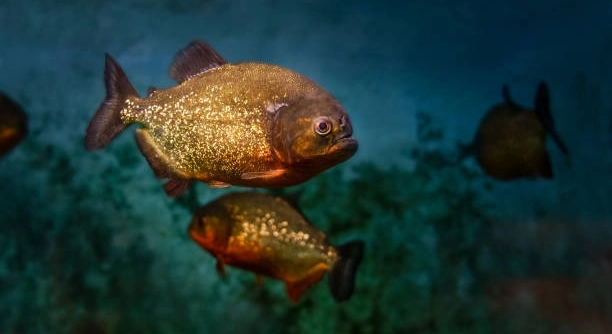
Having a piranha that struggles to swim can be worrying for any fish owner. These lively fish usually move swiftly and with ease in their tanks. When swimming problems appear, it’s important to understand what might be causing them.
Swimming difficulties in piranhas often result from water quality issues, injuries, infections, or swim bladder disorders. Addressing these causes quickly through proper tank maintenance, treatment, and observation is crucial for restoring your piranha’s health and mobility.
Knowing how to recognize signs and take action early can help your piranha recover and stay active. This guide will explain key steps to support your fish’s swimming ability and overall well-being.
Common Causes of Swimming Problems in Piranhas
Swimming trouble in piranhas can come from several issues. Poor water quality is one of the biggest factors. High levels of ammonia or nitrites, or wrong pH levels, stress the fish and affect their movement. Injuries from sharp decorations or fights with tank mates can cause pain or imbalance. Swim bladder disorders are also common and affect buoyancy, making it hard for the fish to swim properly. Infections caused by bacteria or parasites may weaken the piranha and impact its swimming ability. Sometimes, sudden changes in temperature or improper diet can contribute to these problems. Observing your piranha closely helps catch early signs. Watching for unusual swimming patterns, loss of appetite, or changes in color gives clues about its health. Keeping the tank clean and stable is essential to prevent many of these issues.
Regular water testing and tank maintenance reduce many risks and keep your piranha healthy.
Identifying the exact cause early allows you to act quickly and improve your fish’s condition before it worsens.
Improving Water Quality and Tank Environment
Keeping water clean and stable is vital for a piranha’s health. Test water parameters like ammonia, nitrite, nitrate, and pH regularly. Change 20-30% of the water weekly to remove toxins and refresh the tank. Use a good filter to maintain clear water and avoid overcrowding the tank to reduce stress. Temperature should stay stable, usually between 74°F and 82°F, to prevent shock. Avoid sharp decorations that can injure your piranha. A peaceful tank setup with proper hiding places helps your fish feel secure. Feeding high-quality food in appropriate amounts supports overall health. If water issues are fixed and the environment is safe, many swimming problems improve without medicine. Maintaining these conditions will support your piranha’s ability to swim well and stay active. Proper care prevents future swimming difficulties and promotes a longer, healthier life.
Recognizing Swim Bladder Issues
Swim bladder problems cause piranhas to float oddly or struggle to stay balanced. It can make them swim sideways, upside down, or sink to the bottom.
Swim bladder disorder often happens because of infections, constipation, or injury. Poor diet or sudden changes in water conditions can also trigger it. If your piranha is having trouble swimming straight or staying upright, it might be swim bladder related. Observing how it moves and checking for bloating or puffiness around the belly can help spot this issue early. Treatment usually involves adjusting diet, improving water quality, and sometimes using medications recommended by a vet or aquarium specialist.
Preventing swim bladder problems starts with a balanced diet and stable tank conditions. Avoid overfeeding and include fiber-rich foods like peas to help digestion. Keeping the water clean reduces infection risk. Early action increases the chance your piranha will regain normal swimming quickly.
Treating Infections and Injuries
Bacterial or parasitic infections can weaken a piranha and cause swimming difficulties. Injuries from fights or tank hazards also affect movement.
Infections need prompt treatment with appropriate antibiotics or antiparasitic medications. Removing sick fish to a quarantine tank can help prevent spreading. Clean the tank thoroughly and maintain good water quality during recovery. Injuries should be treated by keeping the tank clean to avoid infection and allowing time for healing. Avoid aggressive tank mates or sharp decorations that could cause wounds. Monitoring your piranha closely during treatment ensures you notice any worsening symptoms. Patience and proper care are key to helping your piranha swim normally again.
Providing a calm, stress-free environment and a nutritious diet supports healing and helps prevent future health problems.
Monitoring Behavior Changes
Swimming problems often come with changes in behavior. Your piranha might hide more, eat less, or stay still for long periods.
These signs can indicate stress, illness, or injury. Watching behavior closely helps catch issues early before they get worse.
Adjusting Diet for Better Health
A balanced diet is essential to support your piranha’s swimming ability. Feeding high-quality pellets and occasional live or frozen foods provides necessary nutrients. Overfeeding can cause constipation and swim bladder problems, so feed small amounts once or twice daily. Including fiber-rich foods like shelled peas helps digestion and prevents bloating. Avoid sudden diet changes, which can stress your fish. Clean any uneaten food promptly to maintain water quality. A good diet boosts your piranha’s immune system and supports overall health, helping it swim more easily and stay active.
When to Consult a Veterinarian
If your piranha’s swimming does not improve after water and diet changes, professional help is needed.
FAQ
Why is my piranha floating upside down?
Floating upside down usually points to a swim bladder issue. This organ helps fish control their buoyancy. If it’s affected by infection, injury, or digestive problems, your piranha can lose control of its balance and float awkwardly. Improving water quality, adjusting diet, and treating infections often help fix this.
Can poor water quality cause swimming problems?
Yes, poor water quality is one of the main reasons piranhas struggle to swim. High ammonia, nitrite, or nitrate levels irritate the fish’s body and damage their fins and gills. Regular water testing and cleaning prevent this, helping your piranha stay healthy and active.
How often should I change the water to prevent swimming problems?
Changing 20-30% of the water every week is best. This keeps toxin levels low and refreshes the tank environment. Doing partial water changes regularly supports your piranha’s health and reduces stress that affects swimming.
Can swim bladder issues be cured without medicine?
Many mild swim bladder problems improve with proper care alone. Fixing diet, avoiding overfeeding, and maintaining clean water can help your piranha recover. However, if an infection is involved, medication prescribed by a vet or aquarium specialist might be necessary.
What foods should I avoid feeding my piranha?
Avoid overfeeding and foods that cause constipation, like too many dry pellets or large pieces of food. Also, avoid sudden changes in diet, as this can stress your fish and cause digestive problems. Feed small amounts of varied, quality food.
How can I tell if my piranha is injured?
Look for signs like torn fins, wounds, unusual swimming patterns, or hiding more than usual. Injuries can cause pain and make swimming difficult. Keeping a peaceful tank and avoiding sharp decorations helps reduce injury risks.
Is it normal for piranhas to hide when they have swimming issues?
Yes, piranhas often hide when they feel weak or stressed. Hiding is a natural response to discomfort or illness. Noticing this behavior early can help you act quickly to improve their health.
Can tank mates cause swimming problems?
Aggressive or overly active tank mates can stress your piranha or cause injuries, affecting its swimming. Choosing compatible species and providing enough space helps prevent these problems.
How long does it take for a piranha to recover from swimming problems?
Recovery time varies depending on the cause. Minor issues may improve in a few days with proper care. More serious infections or injuries can take weeks. Patience and consistent treatment are important for full recovery.
Should I move my piranha to a separate tank if it has swimming problems?
Quarantine or separate tanks are helpful when treating infections or injuries. This prevents spreading illness and allows focused care. Use clean, stable water and monitor the fish closely during treatment.
Can temperature changes affect my piranha’s swimming?
Yes, sudden or extreme temperature changes can stress piranhas, weakening their immune system and causing swimming difficulties. Keep the tank temperature stable between 74°F and 82°F to avoid this.
What role does tank size play in swimming health?
A small or overcrowded tank limits movement and raises stress, harming your piranha’s ability to swim properly. Providing enough space—at least 20 gallons per piranha—is essential for healthy swimming and overall well-being.
How can I prevent swimming problems in my piranha?
Regular tank maintenance, stable water parameters, a balanced diet, and peaceful tank mates all help prevent swimming problems. Early observation and quick response to behavior changes keep your piranha active and healthy.
Swimming problems in piranhas can be concerning, but they often have clear causes and solutions. Keeping the water clean and stable is the first and most important step. Regular water testing and partial water changes help reduce harmful substances that can stress your fish. A well-maintained tank creates a healthy environment where your piranha can swim comfortably and stay strong. Paying attention to the tank setup, like avoiding sharp objects and overcrowding, also protects your fish from injuries and stress.
Diet plays a big role in your piranha’s swimming health. Feeding high-quality food in the right amounts helps prevent digestive issues and swim bladder problems. Overfeeding or sudden changes in diet can cause constipation, which affects swimming. Including some fiber-rich foods like shelled peas can support digestion and reduce the risk of swim bladder trouble. Balanced nutrition strengthens your piranha’s immune system, making it better able to fight off infections that might affect swimming.
If swimming problems continue despite good care, it may be necessary to seek professional help. Infections, injuries, or swim bladder disorders sometimes need treatment beyond tank maintenance and diet changes. Moving your piranha to a separate tank for treatment can protect other fish and make monitoring easier. Always watch your fish closely for behavior changes or worsening symptoms. Early action increases the chance of recovery. With patience and proper care, many piranhas recover their swimming ability and return to their lively, active selves.

Hello,
If you enjoy the content that we create, please consider saying a "Thank You!" by leaving a tip.
Every little bit helps us continue crafting quality advice that supports the health, happiness, and well-being of pets around the world, for pets of all shapes, sizes, and species.
We really appreciate the kindness and support that you show us!