
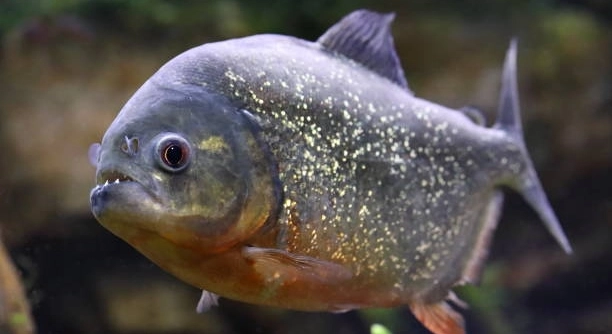
Piranhas are known for their striking appearance and active behavior in home aquariums. Observing their habits is part of fishkeeping, but sometimes they avoid one side of the tank without an obvious reason. This can be puzzling for many aquarium owners.
The primary reason a piranha avoids one side of the tank often relates to environmental factors such as water quality, lighting, temperature differences, or territorial behavior. Addressing these elements usually helps restore balanced tank activity and fish comfort.
Understanding why piranhas behave this way helps maintain a healthy tank environment. This article covers common causes and practical steps to improve your fish’s well-being.
Environmental Factors Affecting Tank Zones
Piranhas are sensitive to their surroundings, and variations within the tank can cause them to favor one side. Differences in lighting can make one area brighter or darker, which affects their comfort. Water temperature may not be uniform, especially near filters or heaters, leading the fish to seek the most comfortable spot. Uneven water flow can also create areas that feel turbulent or calm, influencing their position. Additionally, poor water quality in one section, such as higher waste buildup or less oxygen, can cause avoidance. Checking these environmental aspects regularly helps ensure the tank is balanced. Adjusting lighting, maintaining consistent temperature, and cleaning the tank often can promote even distribution of your piranha’s activity.
Small changes in tank setup can significantly impact your piranha’s behavior and comfort.
Maintaining a stable environment benefits your piranha’s health. Use a reliable thermometer to monitor temperature and position heaters properly. Ensure filters provide even water flow without creating strong currents. Regular water testing is essential to keep chemical levels safe and consistent. If one area is dimmer, consider repositioning lights or adding decorations to diffuse brightness. These adjustments prevent the fish from avoiding any side and encourage natural movement throughout the tank.
Territorial Behavior and Tank Layout
Territorial instincts can cause piranhas to claim specific areas in the tank.
Piranhas often establish territories, especially when multiple fish share the same tank. This behavior leads to one side being dominated and avoided by others. Tank layout, including hiding spots and open swimming areas, influences how these territories form. If the tank lacks sufficient space or decorations for hiding, the fish might feel stressed and restrict movement. Offering ample shelters and rearranging tank decorations can reduce territorial tension. Proper tank size and structure encourage more balanced exploration and reduce avoidance behavior.
Health Issues and Stress Factors
Stress or illness can cause piranhas to avoid certain areas of the tank. If a side has poor water quality or frequent disturbances, fish may stay away to protect themselves.
Stress affects piranhas significantly. Poor water conditions, such as high ammonia or nitrite levels, irritate their gills and skin. This discomfort makes them seek cleaner, calmer zones. Illness can also reduce activity and cause hiding. Stressors include aggressive tankmates, sudden changes in environment, or inconsistent feeding schedules. Monitoring water parameters and observing behavior regularly helps catch issues early. Keeping the tank stable and calm supports better fish health and encourages balanced movement.
Stress relief comes from consistent care. Frequent water changes, gentle handling, and a stable environment reduce anxiety. Avoid overcrowding and aggressive fish, which increase tension. Provide enough space and hiding spots to help piranhas feel secure. Balanced nutrition and routine feeding times also promote well-being. These steps minimize stress-related avoidance of tank areas and encourage more natural behavior throughout the aquarium.
Lighting and Temperature Variations
Uneven lighting often causes fish to prefer shaded areas, avoiding bright or flickering zones.
Piranhas thrive with consistent lighting that mimics their natural habitat. Bright light can stress them, leading to one-sided tank use. Shadows or dim spots offer comfort and security. Flickering lights or sudden changes disrupt their routine and cause hiding. Using adjustable lights and timed schedules creates a stable day-night cycle. Checking for broken bulbs or reflections reduces discomfort. Balanced lighting encourages exploration across the entire tank and supports healthy activity levels.
Temperature differences between tank areas affect fish location. Piranhas prefer stable, moderate temperatures around 75-80°F (24-27°C). Water near heaters or filters may become warmer or cooler, causing avoidance. Use multiple thermometers to check consistency. Adjust equipment placement to maintain even heat distribution. Sudden temperature shifts cause stress and reduce movement. Keeping the tank environment stable helps piranhas feel comfortable and swim freely throughout all areas.
Tank Size and Space
Inadequate tank size often limits piranhas’ movement, causing them to avoid certain areas. Crowding increases stress and territorial disputes.
Providing enough space allows fish to explore freely and reduces competition. A larger tank encourages more balanced swimming patterns and prevents avoidance behaviors caused by feeling confined.
Water Quality and Filtration
Maintaining high water quality is crucial for piranha health. Poor filtration can lead to waste buildup, creating areas with toxic levels of ammonia or nitrites. Regular water changes and efficient filters help maintain clean water throughout the tank, promoting even distribution and comfort for the fish.
Hiding Spots and Decorations
Providing adequate hiding spots helps piranhas feel secure and reduces stress. Without enough cover, they may avoid exposed areas, favoring sides with shelters. Properly arranged decorations create a more natural environment and encourage balanced movement around the tank.
FAQ
Why does my piranha stay on one side of the tank all the time?
Piranhas often stay on one side due to environmental differences such as lighting, temperature, or water quality. If one area is warmer, cooler, brighter, or has better oxygen levels, the fish will prefer it. Territorial behavior or stress can also cause them to limit their movement to a specific zone.
Can poor water quality make piranhas avoid part of the tank?
Yes. Waste buildup, high ammonia, nitrites, or nitrates can accumulate in certain parts of the tank if filtration is uneven. This creates an uncomfortable or even harmful environment, prompting fish to avoid those areas to protect their health.
How does tank layout affect piranha movement?
Tank decorations and hiding spots influence where piranhas feel secure. If one side offers more shelter or less open space, fish tend to stay there. Insufficient hiding places cause stress, and fish may avoid exposed sections entirely.
Is temperature variation a common cause for avoidance behavior?
Absolutely. Piranhas prefer stable temperatures between 75-80°F (24-27°C). Water near heaters or filters can be warmer or cooler, creating zones that feel uncomfortable. Uneven heating often results in fish crowding the more stable side.
Could tank size cause my piranha to avoid one side?
Yes, smaller tanks limit swimming space and increase territorial behavior. Overcrowding causes stress and forces piranhas to claim one area. Larger tanks help reduce these issues by providing more room to move and explore.
How can I reduce stress to encourage balanced swimming?
Keep water quality stable with regular testing and changes. Avoid overcrowding and aggressive tankmates. Provide plenty of hiding spots and maintain consistent lighting and temperature. Feeding on a schedule also supports fish comfort and normal activity.
Does lighting influence which side my piranha prefers?
Lighting plays a big role. Bright or flickering lights can stress piranhas, leading them to prefer shaded or dim areas. A consistent light schedule with adjustable intensity helps the fish feel secure and promotes even tank use.
What are signs of stress in piranhas?
Stress signs include lethargy, loss of appetite, erratic swimming, hiding excessively, or sudden color changes. Avoidance of certain tank areas can also indicate discomfort. Addressing environmental factors usually improves their condition.
How often should I test the water to avoid avoidance behavior?
Testing water weekly is ideal, especially for ammonia, nitrites, nitrates, and pH. This routine helps catch any issues early and maintain a healthy environment that encourages natural swimming behavior.
Can piranhas recover from avoidance behavior?
Yes. Correcting water quality, adjusting lighting and temperature, improving tank layout, and reducing stress can restore balanced swimming. It may take a few days to weeks for the fish to feel comfortable again and explore the entire tank.
What should I do if my piranha is sick and avoiding part of the tank?
Isolate the fish in a quarantine tank if possible. Treat common illnesses like infections or parasites with appropriate medication. Maintain clean, warm water and provide a stress-free environment to support recovery.
Are there specific tank equipment tips to prevent avoidance?
Place heaters and filters to distribute heat and flow evenly. Use gentle filtration to avoid strong currents that can push fish to one side. Avoid overcrowding the tank with decorations in one area to encourage free movement.
Can feeding habits affect piranha tank use?
Yes, uneven feeding spots may cause fish to gather on one side. Feeding in different locations or scattering food can promote swimming throughout the tank and reduce side preference.
How long does it take for piranhas to adjust after tank changes?
Adjustment can take from several days to a couple of weeks. Consistency in care and environment is important during this period. Monitoring behavior helps ensure fish adapt comfortably.
Is it normal for piranhas to have favorite spots?
Some preference is natural due to individual temperament or comfort zones. However, persistent avoidance of one side often signals an environmental or health issue that needs attention.
What is the ideal number of piranhas in a tank?
Tank size and species temperament dictate this. A minimum of 30 gallons per piranha is recommended to reduce territorial aggression and stress. Overcrowding leads to avoidance and health problems.
Final Thoughts
Piranhas can show avoidance behavior for several reasons, including stress, environmental conditions, and tank setup. It is important to observe their behavior carefully and consider factors such as water quality, temperature, lighting, and space. Making sure the tank provides a stable and comfortable environment can reduce the chances of your piranha avoiding certain areas. Proper care and attention to these details promote healthier, more active fish that use the entire tank evenly.
Maintaining a balanced aquarium requires regular water testing and cleaning to prevent harmful buildup of toxins. Ensuring even temperature distribution and avoiding overly bright or flickering lights also helps keep piranhas comfortable. Providing enough hiding spots and arranging decorations thoughtfully allows fish to feel secure while encouraging natural movement. Avoiding overcrowding and aggressive tankmates reduces stress and territorial behavior, which are common causes of side avoidance.
Overall, consistent care and observation are key to managing your piranha’s behavior. Small adjustments to the environment often lead to noticeable improvements. It is normal for fish to have slight preferences, but extreme or persistent avoidance usually signals an issue that needs addressing. By paying close attention and making necessary changes, you can create a healthier and more balanced habitat for your piranha to thrive.

Hello,
If you enjoy the content that we create, please consider saying a "Thank You!" by leaving a tip.
Every little bit helps us continue crafting quality advice that supports the health, happiness, and well-being of pets around the world, for pets of all shapes, sizes, and species.
We really appreciate the kindness and support that you show us!