
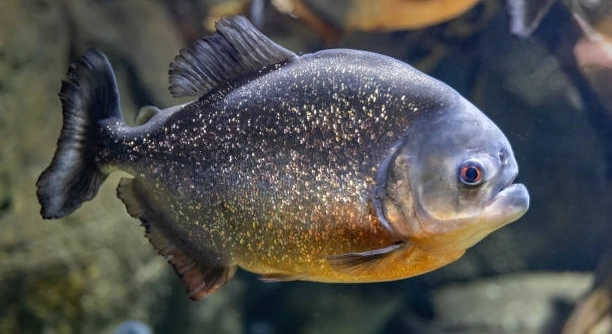
Many people enjoy keeping piranhas as pets and want to ensure they live in the best environment possible. Temperature plays an important role in the health of these fish. Recognizing when a piranha is too cold helps avoid serious problems.
A piranha that is too cold often shows signs such as lethargy, reduced appetite, and slower swimming. These symptoms result from lowered metabolism caused by water temperatures below their optimal range, which is generally between 75°F and 82°F.
Knowing these signs early can help you take action to improve your piranha’s comfort and health. This article explains how to spot temperature issues and what to do next.
Signs Your Piranha Is Too Cold
When a piranha experiences cold water, its behavior and appearance change noticeably. You might see it resting at the bottom of the tank more than usual or moving very slowly. The fish could also lose interest in food and stop eating altogether. Sometimes, their colors become duller, and their breathing may slow down. These changes happen because cold water slows their metabolism, making it harder for them to stay active and healthy. It is important to watch for these signs early since prolonged exposure to low temperatures can weaken their immune system and increase the risk of illness. Maintaining the right temperature ensures your piranha remains lively and strong.
Cold water stress is often overlooked but can have lasting effects on your fish’s well-being.
Knowing how to spot these symptoms helps you act quickly and avoid bigger health problems in your tank.
How to Adjust the Temperature Safely
Raising the water temperature gradually is the best way to help your cold piranha. Sudden changes can shock the fish and cause more harm than good. Use a reliable aquarium heater and a thermometer to monitor the tank’s temperature carefully. Aim to keep it steady between 75°F and 82°F, which is ideal for most piranhas. If you don’t have a heater, adding warm water slowly can work, but only in small amounts. Make sure the water is properly mixed and oxygenated after adjusting the temperature. Keeping the environment stable will help your piranha recover its energy and appetite faster. Regular checks of the tank conditions are essential to prevent temperature drops in the future.
Common Mistakes When Managing Tank Temperature
Many piranha owners set the heater too high or too low without checking regularly. This causes stress and health problems. Inconsistent temperature changes can confuse your fish and make recovery harder.
Using an aquarium heater without a thermostat often leads to wide temperature swings. Some owners add warm water too quickly, which shocks the fish. Others forget to test water temperature daily, missing early signs of trouble. It’s also common to ignore room temperature effects, especially in colder months. Small tanks are more vulnerable to rapid temperature changes, so they need extra attention. Keeping the temperature stable with a good heater and regular checks can prevent most issues.
Besides temperature, poor water quality can worsen cold stress. High ammonia or nitrate levels lower your piranha’s ability to fight illness. Clean water, a reliable heater, and stable conditions work together to keep your fish healthy.
How to Support Your Piranha During Recovery
Keep your tank quiet and avoid sudden changes while your piranha warms up. Reduce feeding slightly until your fish starts eating normally again. Providing a stable environment helps reduce stress and supports healing. Use high-quality food to give extra nutrition.
Make sure the tank is clean and free from toxins. Gentle water changes with temperature-matched water help keep conditions safe. Avoid adding new fish or decorations during this time to limit stress. Monitor your piranha’s behavior and appetite daily, noting any improvements. Patience is important because recovery can take several days. Giving your fish time to adjust in calm conditions improves its chances of bouncing back fully.
Monitoring Your Tank Temperature
Using a reliable thermometer is essential to keep track of your tank’s temperature. Check it daily to catch any drops or spikes early. Consistent monitoring helps maintain a stable environment for your piranha.
Avoid relying on room temperature alone, as it can fluctuate. Always use a proper heater to control the water temperature effectively.
Choosing the Right Heater
Selecting an aquarium heater with a built-in thermostat is the best way to keep your piranha’s tank stable. These heaters adjust automatically to maintain the desired temperature. A heater that matches your tank size ensures even heating without overworking.
Regularly test the heater’s accuracy to avoid malfunctions. Investing in a quality heater reduces risks related to temperature changes and supports your fish’s overall health.
Avoiding Temperature Shocks
Rapid temperature changes can stress your piranha and cause illness. Always adjust water temperature slowly to prevent shock.
FAQ
How cold is too cold for a piranha?
Piranhas usually thrive between 75°F and 82°F (24°C to 28°C). Temperatures below 70°F (21°C) are considered too cold and can slow their metabolism, making them less active and more prone to illness. Prolonged exposure to cold water stresses their immune system.
What are the first signs my piranha is too cold?
Common early signs include sluggish swimming, resting on the tank bottom, loss of appetite, and pale or dull coloration. You might also notice slower breathing or less interaction with its environment. Catching these signs early helps prevent more serious health issues.
Can a piranha survive brief cold spells?
A short exposure to cooler water might not harm your piranha if it quickly returns to a suitable temperature. However, repeated or long cold spells increase the risk of illness or death. Consistent temperature control is key to keeping your fish safe.
How do I safely warm my piranha’s tank?
Increase temperature gradually, no more than 2°F (1°C) per hour. Use a quality aquarium heater with a thermostat to avoid overheating. If adding warm water, mix it well with existing tank water and add it slowly. Sudden changes can shock the fish.
What happens if the water is too warm instead?
Water that’s too warm, above 82°F (28°C), can cause stress, reduce oxygen levels, and increase the chance of disease. Like cold, overheating is dangerous. Always keep your tank temperature within the recommended range to avoid problems.
Can I use a regular room heater to warm the tank?
No, a regular room heater won’t control the tank temperature accurately. It may cause uneven heating or sudden temperature swings. An aquarium heater is designed specifically for water tanks and keeps temperature steady and safe for fish.
How often should I check my tank temperature?
Daily checks are ideal, especially if you don’t have an automatic temperature monitor. Regular monitoring helps you catch any fluctuations before they affect your piranha’s health. Use a reliable thermometer and keep it visible.
What should I do if my piranha stops eating?
If your fish stops eating, check the water temperature first. Cold water is a common cause. Also, test water quality for ammonia or nitrites. Make sure the tank is clean and the temperature is correct. Offer fresh, high-quality food once conditions improve.
Can stress from cold water cause disease?
Yes, cold water weakens your piranha’s immune system, making it more vulnerable to infections like fin rot or fungal diseases. Keeping a stable temperature reduces stress and helps your fish stay healthy.
Is it normal for piranhas to be less active in cooler water?
Yes, because cold water slows their metabolism. Reduced activity is a natural response but should not last long. If your piranha stays inactive for days, the temperature might be too low and needs adjusting.
How do I prevent temperature problems in the future?
Invest in a good heater and thermometer. Place the tank away from drafts, windows, or heating vents. Monitor temperature regularly and maintain stable water conditions. Routine tank maintenance also helps avoid sudden changes.
What size heater do I need for my tank?
Choose a heater rated for your tank’s size, usually measured in watts per gallon. Too small a heater won’t maintain temperature, while too large risks overheating. Follow manufacturer guidelines to pick the right one.
Can I keep piranhas with other fish if the temperature is stable?
Temperature stability is important, but compatibility with other fish depends on behavior and species needs. Piranhas can be aggressive, so tank mates must be chosen carefully to avoid stress or injury.
How long does it take for a piranha to recover from cold stress?
Recovery time varies but generally takes several days to a week once optimal temperature and conditions are restored. Keep monitoring behavior and appetite during this time to ensure improvement.
Is it safe to use a heater controller or thermometer alarm?
Yes, these devices help maintain a stable environment by alerting you to temperature changes. They add extra security, especially if you are away from home for periods.
These questions cover the most common concerns about temperature and piranha care. Keeping the water stable and appropriate is key to a healthy and happy fish.
Keeping your piranha healthy means paying close attention to the temperature of its tank. Piranhas are tropical fish that need warm, stable water to thrive. When the water gets too cold, it can affect their behavior and health in many ways. Watching for signs like slow movement, less eating, or dull colors can help you notice if your fish is feeling too cold. These signs are important to recognize early so you can make changes and avoid bigger problems. Keeping the water between 75°F and 82°F is usually best for piranhas, and using the right heater and thermometer helps maintain this balance.
Adjusting the temperature carefully is very important when your piranha shows signs of being too cold. Sudden changes in water temperature can cause stress and shock to the fish, which might make things worse. Raising the temperature slowly with a good quality aquarium heater that has a thermostat is the safest way to help your piranha recover. Regularly checking the water temperature and keeping it steady can prevent problems before they start. In addition to temperature, clean water and good nutrition also support your piranha’s health. A stable environment is key to making sure your fish stays active and eats well.
Taking good care of your piranha means being consistent and patient. Monitoring the tank temperature daily and avoiding quick changes are simple steps that make a big difference. If your fish does get too cold, acting quickly to improve the water conditions can help it bounce back. Keeping your tank in a quiet, safe place away from drafts or direct sunlight also helps keep the temperature steady. With proper care, your piranha can live a long and healthy life. Remember, small details like temperature control matter a lot for your fish’s happiness and wellbeing.

Hello,
If you enjoy the content that we create, please consider saying a "Thank You!" by leaving a tip.
Every little bit helps us continue crafting quality advice that supports the health, happiness, and well-being of pets around the world, for pets of all shapes, sizes, and species.
We really appreciate the kindness and support that you show us!