
Do you ever find yourself curious about how animals behave when no one is watching them or directing their actions?
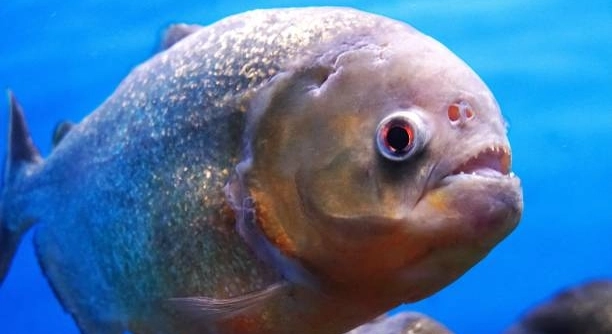
Piranhas can show individual behavior, despite often being seen as uniform and aggressive in groups. Studies have observed differences in boldness, activity levels, and responses to new environments among individual piranhas.
From tank setups to feeding patterns, understanding how these fish act on their own can help reveal more about their needs and personalities.
What Makes a Piranha Act Differently?
In the wild and in tanks, not every piranha acts the same. Some are quick to explore new areas, while others stay hidden. A few may feed right away, while others hesitate. These small differences may not seem like much, but they suggest each piranha reacts in its own way. Scientists have seen that things like tank layout, past experiences, and even genetics can shape how a single piranha behaves. This is especially true in isolated settings, where social pressure from the group is removed. When left alone, their reactions vary more clearly, showing a mix of calm and nervous actions. While piranhas are often known for group behavior, many of their choices come from individual traits. This behavior might change depending on stress levels, feeding times, or how often they are handled by people. All of this points to the idea that piranhas are not just one set personality.
These changes in behavior are helpful for fish keepers who want to improve tank conditions or reduce stress in their fish.
Learning to recognize these patterns can help you care for your piranhas more effectively. It also brings a sense of awareness to their unique habits, which might otherwise be missed.
How Scientists Study This Behavior
Researchers often separate individual piranhas from the group to observe them closely. This helps highlight differences in how each fish responds to new spaces, food, or light.
One common method is placing a single piranha in a tank with a few hiding spots, then watching how it explores. Scientists time how long it takes to leave the shelter and how far it swims. They repeat these tests with other fish under the same conditions. Some swim freely within minutes. Others stay still for much longer. These patterns suggest boldness or caution—two signs of personality. Some labs also use unfamiliar objects, like a plastic ring or a small mirror, to see how the fish react. Tracking these reactions helps identify traits like curiosity or fear. Researchers also note how often a fish feeds, rests, or interacts with reflections. Over time, these details help build a behavioral profile. The more varied the responses, the stronger the case for individual behavior.
Why It Matters in Captivity
Understanding individual behavior in piranhas can make caring for them easier. It helps spot when one fish might be stressed, sick, or acting unusually. These small signs are easier to catch when you know what’s normal for each fish.
When fish are treated as identical, it’s easy to miss small shifts in behavior. But when you notice one piranha always hides while another is more active, you can adjust their tank setup to fit their needs. For example, shy piranhas might do better with extra plants or darker spaces to hide in. Bolder ones may need more room to swim. This way, each fish gets an environment that helps reduce stress and keeps them healthier. Also, tracking changes over time helps spot early signs of illness. If a bold fish suddenly becomes withdrawn, that might be a clue something is wrong.
Behavior differences can also help when introducing new piranhas to a tank. Not all will react the same.
Some fish may adapt quickly, while others struggle with stress. Knowing what to expect from each one allows you to plan better, helping the group settle more peacefully. It also helps avoid aggressive clashes and feeding issues, which are common in new group setups.
Common Behavioral Types Observed
Some piranhas seem naturally bold. They swim around freely, explore corners, and approach food quickly. Others are more cautious, staying close to hiding spots or delaying feeding. These patterns repeat even in new environments.
Scientists and fish keepers have noticed a few consistent behavioral types. One common type is the active explorer, often bold and curious. These piranhas move around a lot and interact with their surroundings. Another type is the quiet observer. This fish tends to stay still, hiding more and only coming out to eat when it feels safe. Some piranhas show reactive behavior—darting away at the smallest movement or sound. These fish may need extra care to feel secure. Then there are steady types who fall somewhere in the middle. They’re calm, rarely stressed, and do well in most setups. Recognizing these patterns can help tailor care, tank layout, and feeding times for each unique fish.
Factors That Can Influence Behavior
Tank size and layout can change how a piranha behaves. Cramped spaces may cause stress, while larger tanks with hiding spots help reduce anxiety. Light levels, water quality, and temperature also play a role in shaping how active or shy a fish becomes.
Feeding routines can also impact behavior. Piranhas fed on a set schedule may act calmer and more predictable. Sudden changes in food or timing can lead to nervous or aggressive actions. Consistency often helps them feel more secure in their space.
Can Behavior Change Over Time?
Yes, piranha behavior can change with age, health, and surroundings. A shy juvenile may become bolder as it grows, especially in a low-stress environment. Illness, poor water quality, or constant disruptions can shift even the calmest fish into being reactive. On the other hand, improved care or tank upgrades may lead to more relaxed behavior. Social dynamics matter too. A piranha kept alone may behave differently once added to a group. Repeated exposure to the same setup also builds familiarity, which may reduce fear and increase activity. Careful observation helps track these changes over time.
What This Means for Fish Owners
Watching how each piranha acts makes it easier to spot problems and improve care. It also builds a better understanding of what each fish needs.
FAQ
Can piranhas recognize their owners?
There’s no strong evidence showing piranhas recognize individual people like dogs or cats might. However, they can learn to associate certain movements or sounds with feeding. For example, if you always open the lid or tap the tank before feeding, some piranhas may start reacting to that routine. Over time, they may swim to the top or become more active when they see you approach, but this behavior is likely based on learned response rather than recognition. They respond more to actions than to the person themselves.
Do individual piranhas have preferences for food?
Yes, some piranhas seem to favor certain types of food over others. One fish might go for shrimp right away, while another prefers fish pieces or pellets. These preferences can also change with age or health. Sometimes a fish that used to love one food suddenly shows less interest, which could signal boredom, illness, or environmental stress. Offering a variety of safe food options helps you spot patterns and keep their diet balanced. Just like with behavior, tracking food reactions gives clues about each fish’s unique habits.
Can aggression levels vary between individual piranhas?
Absolutely. Not all piranhas are equally aggressive. Some may chase or nip more often, while others tend to avoid conflict. Even within the same species, personality plays a role. A more dominant fish may become aggressive during feeding or if space is limited. Meanwhile, calmer ones might keep their distance and only feed once the coast is clear. Group dynamics, tank size, and feeding schedules can influence these actions, but individual tendencies are often noticeable over time. Keeping a watchful eye helps manage behavior and avoid injury.
Is it better to keep piranhas alone or in groups?
It depends on the species and the space available. Red-bellied piranhas, for example, are often kept in groups, but only if there’s enough room to prevent stress. Individual piranhas can do well alone too, especially if they show signs of anxiety or conflict in groups. Observing how a fish acts in a shared tank helps you decide. If one piranha stays hidden all the time or gets picked on, it might be more comfortable in its own setup. Group living can work, but it requires careful planning.
Can tank layout change how a piranha acts?
Yes, tank setup makes a big difference. Hiding spots, open swimming areas, and visual barriers all affect behavior. Shy piranhas do better when they have places to hide, like caves or thick plants. More confident ones use open areas to swim freely. Without proper layout, even bold fish can become skittish or aggressive. Light levels and background color also influence comfort. A dark background with dim lighting tends to calm them, while bright light can cause stress. Changing the layout even slightly can improve behavior noticeably.
Do piranhas get bored?
Piranhas don’t play or interact with toys like mammals, but they can become less active in boring or unchanging environments. If they’re in a tank with no stimulation, their activity may drop, and they may even eat less. Rotating decorations, adding new objects to explore, or changing the feeding pattern can spark curiosity. While it’s not boredom in the way humans experience it, a lack of enrichment can still affect their mental and physical health. Keeping things fresh helps maintain their natural behaviors.
How can I tell if a piranha is stressed?
Stress shows up in different ways. A stressed piranha may hide all the time, stop eating, or swim in jerky, panicked motions. It might also stay near the bottom or rub against surfaces. Aggression toward tank mates can be another sign. Poor water quality, sudden changes in routine, or loud noise around the tank are common causes. Tracking these signs and adjusting conditions—like improving water quality or rearranging the tank—can often help. Watching your fish closely helps catch problems early and prevents long-term issues.
Is it okay to keep different personality types together?
It’s possible, but it requires careful attention. Mixing bold and shy piranhas can lead to problems if the tank isn’t large enough or if hiding spots are limited. Bold fish may dominate feeding times, leaving the shy ones hungry or stressed. A balanced group with enough space and resources can work well, but only if you observe and adjust as needed. Adding food in multiple spots and monitoring behavior helps make sure each fish gets what it needs. Some keepers separate fish if tension grows.
Can piranhas become more social over time?
Some piranhas may become more comfortable around other fish if conditions stay calm and predictable. Social behavior often depends on early experiences and the environment. If a piranha is raised in a peaceful group, it may stay more tolerant. But others stay cautious or reactive, even with time. Group behavior can shift based on stress levels, food competition, and space. It’s possible to reduce conflict with the right setup, but forcing interaction doesn’t always work. Respecting each fish’s comfort level tends to give the best outcome.
Final Thoughts
Piranhas are often seen as simple, aggressive fish that all behave the same way. But when you look more closely, you’ll notice they each have their own way of acting. Some are bold and active, while others are quiet and careful. These differences show that piranhas can have individual behavior, just like many other animals. Watching how each one acts helps you understand what they need, whether it’s more space, better food, or a quieter spot to rest. Noticing these small things can make a big difference in how healthy and relaxed they are in their tank.
Caring for piranhas is not just about feeding them and cleaning the tank. It’s also about paying attention to how they behave. When one fish starts hiding more, eating less, or acting out of the ordinary, that might be a sign something is wrong. But if you already know how that fish normally acts, it’s easier to catch the problem early. That’s why it’s helpful to treat each piranha as an individual, rather than assuming they all respond the same way. This approach can improve not only the fish’s health but also your experience as a keeper.
Taking time to observe your piranhas helps you connect with them in a small but meaningful way. Even though they don’t show emotion like other pets, they still have needs, preferences, and reactions to their surroundings. Understanding those differences can lead to better care and fewer problems in the tank. Whether you keep just one or a small group, knowing their unique habits will help you build a more stable and peaceful setup. Every fish is different, and by recognizing those differences, you can create an environment where they can feel safe and thrive.

Hello,
If you enjoy the content that we create, please consider saying a "Thank You!" by leaving a tip.
Every little bit helps us continue crafting quality advice that supports the health, happiness, and well-being of pets around the world, for pets of all shapes, sizes, and species.
We really appreciate the kindness and support that you show us!