
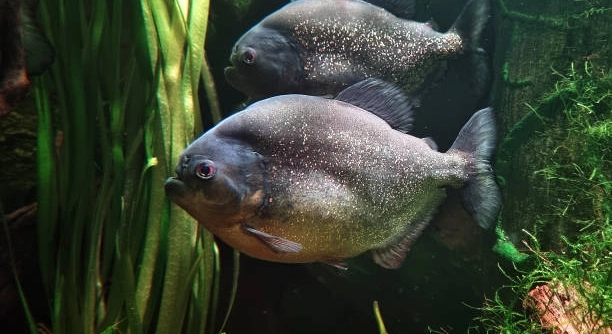
Many piranha owners enjoy watching their fish swim actively in the tank. Sometimes, however, a piranha may stay still or hide instead of swimming freely. This can be confusing and concerning for those caring for these unique fish.
Piranhas may refuse to swim freely due to stress, illness, poor water quality, or inadequate tank conditions. Ensuring the right environment and addressing health issues can help restore their natural behavior.
Learning about these common causes can help you provide better care for your piranha. Understanding the signs and solutions will make a difference in your fish’s well-being.
Common Reasons for Piranha Inactivity
One common reason your piranha might not swim freely is stress. Stress can come from sudden changes in water temperature or poor water quality. If the tank is overcrowded or the fish is bullied by tank mates, it can also cause your piranha to hide or stay still. Illness is another factor that can make them less active. Parasites, infections, or internal problems affect their energy levels. Sometimes, improper diet leads to weakness and lethargy. If the tank environment lacks hiding spots or enough space, piranhas may feel unsafe and prefer staying in one place. Regular water testing and cleaning are essential to maintain good water conditions. Adjusting lighting and tank decorations can also help your fish feel more comfortable and secure.
Keeping your tank stable and clean is key to encouraging healthy swimming behavior in your piranha.
Piranhas are sensitive to their surroundings. Making sure water temperature stays between 75°F and 80°F, avoiding overcrowding, and feeding a balanced diet can make a big difference. If your piranha’s inactivity continues, check for signs of illness like spots, unusual swimming patterns, or changes in appetite. Consulting a vet who specializes in fish may be necessary to diagnose and treat any health problems properly.
How Water Quality Affects Your Piranha’s Behavior
Poor water quality can have a strong impact on your piranha’s activity levels. Dirty water or high ammonia and nitrate levels can stress fish and cause them to become inactive or hide.
Maintaining the right water conditions involves regular testing and changes. Keeping ammonia and nitrite levels at zero and nitrate low is essential for healthy fish.
Water that is too cold or too warm also affects swimming. Temperature fluctuations can shock your piranha, making it lethargic. Using a heater and thermometer to monitor tank temperature helps create a stable environment. Frequent partial water changes, along with a good filtration system, keep the water clean and oxygen-rich. When these factors are controlled, your piranha will feel safer and more likely to swim freely around the tank.
Tank Environment and Space
Piranhas need enough space to swim comfortably. A small or overcrowded tank can make them feel trapped, causing them to stay still or hide.
A proper tank size for one piranha is at least 20 gallons, with an extra 10 gallons for each additional fish. Overcrowding leads to stress and poor water quality, which makes your fish less active. Decorations and plants should provide hiding spots but not block swimming paths. Clear swimming space encourages natural movement and reduces stress.
Light levels also affect behavior. Too bright lighting can cause your piranha to hide, while dim lighting might make them less active. Adjust the tank lighting to a comfortable level to help your fish feel secure.
Diet and Health
A poor diet can reduce your piranha’s energy and make them swim less. Feeding them an unbalanced diet leads to weakness and illness.
Piranhas are carnivores and need a protein-rich diet. Feeding them fresh or frozen fish, shrimp, or specialized pellets provides necessary nutrients. Avoid overfeeding, which can pollute the tank and harm your fish. Monitor their eating habits; if your piranha refuses food or shows signs of weight loss, it may be sick. Nutritional deficiencies or infections should be addressed quickly. Providing a balanced diet and regular feeding schedule supports your fish’s health and activity. If you notice ongoing lethargy despite good care, consult a vet for a proper diagnosis.
Stress Factors in Piranhas
Stress often causes piranhas to stop swimming freely. Sudden changes in the tank or rough handling can increase their stress levels.
Even loud noises or too much activity near the tank may make your piranha feel unsafe. Reducing these factors helps them relax and move more naturally.
Signs of Illness
Illness can make your piranha lethargic and unwilling to swim. Watch for symptoms like cloudy eyes, clamped fins, or unusual spots. These signs indicate infection or disease that needs attention. Early detection and treatment improve your fish’s chance to recover quickly and regain activity.
Importance of Routine Maintenance
Regular tank cleaning and water changes prevent harmful buildup. This keeps your piranha healthy and active. Neglecting maintenance can cause toxic water, leading to sickness and inactivity. Consistency is key to a thriving tank environment.
FAQ
Why is my piranha hiding and not swimming?
Piranhas hide when they feel stressed, unsafe, or sick. Stress can come from poor water quality, overcrowding, or sudden changes in their environment. Illness can also make them less active. Providing a stable tank environment and checking water conditions usually helps reduce hiding behavior.
How often should I clean my piranha’s tank?
A partial water change of about 20-30% should be done weekly to keep the water clean. Full cleanings are less frequent but should be done carefully to avoid disturbing beneficial bacteria. Regular cleaning prevents toxic buildup that can harm your fish and cause inactivity.
Can temperature changes affect my piranha’s activity?
Yes, piranhas prefer water temperatures between 75°F and 80°F. Sudden or extreme temperature shifts can stress them, causing them to become sluggish or hide. Using a reliable heater and thermometer helps maintain consistent temperature, supporting normal swimming behavior.
What diet is best for a piranha?
Piranhas need a high-protein diet. Feeding them fresh or frozen fish, shrimp, and specially made carnivore pellets ensures proper nutrition. Avoid feeding too much or offering only one type of food. A varied diet keeps your piranha healthy and active.
Why is my piranha not eating?
Loss of appetite may indicate stress, illness, or poor water conditions. If your piranha refuses food for more than a day or shows other signs like lethargy or unusual swimming, it’s time to check water quality and consider a vet visit.
How many piranhas should be kept in one tank?
It’s best to keep one piranha per 20 gallons of water. Overcrowding causes stress and aggressive behavior, reducing activity and making fish hide. Providing enough space helps maintain a peaceful environment where piranhas feel safe.
Can lighting affect my piranha’s swimming behavior?
Yes, bright lighting can stress piranhas and cause them to hide. Dim or moderate lighting mimics their natural habitat, encouraging more active swimming. Using adjustable lighting or providing shaded areas in the tank helps create a comfortable environment.
What signs show my piranha is sick?
Look for clamped fins, spots or discoloration, rapid breathing, or unusual swimming patterns. These signs often mean infection or parasites. Early treatment increases the chance of recovery and helps your piranha swim freely again.
How long can a piranha survive without swimming much?
Short periods of inactivity are normal when your piranha is stressed or adjusting. However, prolonged inactivity can lead to health problems. If your fish stays still for days, it is important to identify and fix the cause quickly.
Is tank decoration important for piranhas?
Yes, decorations like plants and hiding spots reduce stress and provide a sense of security. However, avoid overcrowding the tank with decorations, as piranhas need enough open space to swim freely. Balance hiding places and open areas for best results.
Final thoughts about your piranha’s swimming behavior focus on understanding its needs and environment. Piranhas are sensitive fish that require stable conditions to feel comfortable and active. If your fish is refusing to swim freely, it’s usually a sign that something in its environment needs attention. Whether it is stress, illness, water quality, or tank setup, paying close attention to these factors can help you improve your fish’s health and behavior. Small changes in care can make a big difference in how your piranha moves and interacts in the tank.
Taking time to regularly check water conditions is very important. Clean water with the right temperature and chemistry supports your piranha’s well-being. Overcrowding, poor diet, and sudden changes can cause stress, which often leads to inactivity. Ensuring a proper tank size and a balanced diet will also encourage your fish to swim more freely. Adding hiding spots while leaving enough open space for swimming helps your piranha feel safe but not trapped. This balance makes a healthier environment that supports natural behavior.
If your piranha continues to avoid swimming or shows signs of illness despite proper care, it may be necessary to seek advice from a fish health professional. Early detection and treatment of health issues can prevent serious problems and improve your fish’s quality of life. Overall, understanding your piranha’s basic needs and monitoring its behavior closely will help you provide the best care possible. With patience and attention, you can create an environment where your piranha feels secure and active, enjoying its natural swimming habits.

Hello,
If you enjoy the content that we create, please consider saying a "Thank You!" by leaving a tip.
Every little bit helps us continue crafting quality advice that supports the health, happiness, and well-being of pets around the world, for pets of all shapes, sizes, and species.
We really appreciate the kindness and support that you show us!