
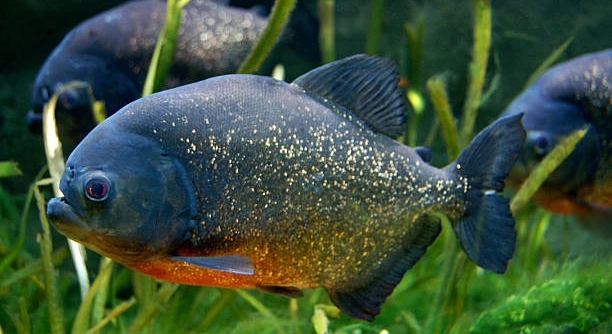
Observing piranhas after feeding can reveal interesting insights into their behavior. These fish display unique actions that reflect their feeding patterns and social interactions. Watching them closely helps in understanding their natural habits better.
Piranha behavior after feeding typically includes increased activity, social clustering, and rest periods. They often show signs of territoriality and reduced aggression once food is consumed. These patterns are important for monitoring their well-being and environmental responses.
Learning about these behaviors can improve care and provide a clearer picture of piranhas’ natural instincts. This article shares practical tips to observe them effectively and respectfully.
Understanding Piranha Feeding Habits
Piranhas are known for their sharp teeth and feeding frenzy, but their eating habits are more complex than often believed. After feeding, they usually become calmer and less aggressive, as their hunger is satisfied. Their feeding is often quick and efficient, and they tend to eat in groups. This behavior helps reduce the risk of injury within the school since they rely on safety in numbers. Observing them closely after they eat can show changes in their activity levels and interactions with other fish. Piranhas often rest or swim slowly as they digest their food, which can last for several hours. They also establish small territories within the tank or habitat where they feel secure while digesting. Recognizing these signs helps in maintaining a healthy environment for them. Overfeeding can lead to stress or illness, so understanding their natural feeding behavior supports better care and tank management.
Feeding triggers noticeable shifts in their social and physical behavior.
By watching their post-feeding actions, you can spot signs of health or stress early on. This knowledge helps in adjusting their diet and environment for optimal care.
Safe Observation Techniques
Observing piranhas safely is essential to avoid stressing the fish or risking injury. Piranhas can be unpredictable, especially around feeding times, so it’s important to keep a respectful distance and avoid sudden movements. Use clear tank walls or viewing windows to watch their behavior without disturbing them. If you want a closer look, use tools like long feeding sticks or underwater cameras to reduce direct contact. Avoid tapping on the glass or creating vibrations, as these can agitate the fish and alter their natural behavior. Consistent observation times help you notice patterns and changes in their activity after feeding. Keeping notes on what you see can be very useful for tracking their health and behavior over time. Remember, patience is key — piranhas may take some time to show their natural post-feeding behavior.
Always prioritize safety for both observer and fish.
When observing, minimize disturbances and maintain a calm environment to get the most accurate insights into piranha behavior after feeding.
Watching Group Dynamics
Piranhas often feed in groups, and their interactions after eating reveal much about their social structure. Watching how they move together or separate helps understand their relationships.
Group behavior changes after feeding as piranhas shift from aggressive competition to calmer social interaction. They often swim close to one another, showing less biting or chasing. Some fish may rest while others remain active, creating a balance in the group. This period is key for establishing social order without conflict. It also helps reduce stress in the tank since aggressive behavior drops after feeding. Observing these subtle changes can inform how well the group is adjusting to its environment.
Noticing shifts in group patterns can highlight dominance or health issues. Some piranhas may isolate themselves or act restless, signaling potential problems. Consistent observation lets you track these behaviors over time.
Monitoring Feeding Response Times
The time it takes for piranhas to respond to food signals their hunger levels and alertness. Quick responses usually indicate a healthy appetite and active fish.
Response times can vary based on factors like tank conditions, feeding schedules, and individual differences. Healthy piranhas typically react within seconds to food introduction, gathering quickly. If they delay or ignore feeding signals, it might mean stress, illness, or poor water quality. Feeding at regular times helps maintain consistent response behavior. It also makes it easier to spot unusual changes that need attention. Tracking these response times daily provides a simple yet effective way to monitor fish well-being without disturbing them too much. This approach supports better care and timely intervention when needed.
Identifying Resting Behavior
After feeding, piranhas often enter a resting phase. They slow their movements and may hover near the bottom or in quiet spots of the tank.
Resting is important for digestion and recovery. It also helps reduce energy use and stress, allowing them to stay healthy and balanced.
Recognizing Aggression Signs
Aggression usually decreases after feeding, but some piranhas may still show dominance behaviors like chasing or nipping. Watching for these signs helps manage group harmony and prevent injuries.
Using Lighting to Observe Behavior
Lighting affects how clearly you can see piranhas after feeding. Soft, even lighting reduces stress and makes their natural behavior easier to observe without startling them.
Keeping a Behavior Journal
Writing down your observations regularly helps track changes and patterns in piranha behavior over time, improving your ability to care for them properly.
What is the best time to observe piranhas after feeding?
The best time to observe piranhas is within the first 30 minutes after feeding. During this period, their activity is most noticeable as they eat quickly and interact with one another. After this, they tend to slow down and rest. Watching during this window gives the clearest view of their natural feeding behavior and social responses.
How can I tell if a piranha is stressed after feeding?
Signs of stress include erratic swimming, hiding excessively, or showing unusual aggression. If piranhas are restless or refuse to eat during feeding, it may indicate poor water conditions or illness. Stress can also appear as a lack of movement or clamped fins. Regular observation helps spot these early signs so you can take action.
Is it normal for piranhas to be aggressive after feeding?
Some aggression is normal as they establish dominance or protect food, but it usually decreases once feeding ends. If aggression persists for long periods or causes injury, it may signal overcrowding or competition for resources. Maintaining proper tank size and feeding amounts reduces constant aggression.
What should I avoid when observing piranhas?
Avoid sudden movements, tapping on the tank, or bright, flashing lights. These actions can stress the fish and alter their behavior. Try to observe quietly and calmly to get an accurate understanding of their natural actions. Consistency in observation time also helps reduce disturbance.
How often should I feed piranhas for healthy behavior?
Feeding piranhas 2 to 3 times a week is usually enough. Overfeeding can cause health problems and increase aggression. Feeding smaller amounts at consistent times helps maintain their appetite and encourages natural behavior. Monitor how quickly they eat and adjust portions accordingly.
Can I use food to encourage piranhas to come closer for observation?
Yes, but only with care. Offering small pieces of food can bring piranhas closer, making it easier to watch their feeding behavior. Avoid overfeeding, and use feeding tools like tongs to keep a safe distance. This method works well to observe their response times and social interactions.
Do piranhas show different behaviors when fed live food compared to pellets?
Yes, live food tends to trigger more active and natural hunting behaviors, including chasing and competition. Pellets usually result in calmer feeding since they are easier to catch. Observing both types gives insight into their instincts and preferences but be sure to provide balanced nutrition.
How long after feeding do piranhas usually rest?
Piranhas often begin resting within 20 to 40 minutes after eating, slowing their movement and reducing interactions. Rest periods can last several hours, during which they digest their food. This downtime is vital for their health and reduces stress from constant activity.
What tools can help with observing piranha behavior?
Using underwater cameras or long feeding sticks allows for close observation without disturbing the fish. Clear tank walls and soft lighting improve visibility. Keeping a behavior journal also helps track patterns and changes over time, improving care.
Is it normal for some piranhas to isolate themselves after feeding?
Yes, sometimes individual piranhas separate from the group to rest or avoid conflict. Isolation can be normal but watch for signs of illness or injury if it continues. Healthy fish usually rejoin the group once they feel secure and have digested their food.
How does water quality affect post-feeding behavior?
Poor water quality can cause lethargy, stress, and irregular behavior after feeding. Clean, well-oxygenated water supports healthy digestion and activity levels. Regular testing and maintenance help ensure piranhas display natural behaviors and avoid health problems.
Can temperature changes influence piranha behavior after feeding?
Yes, lower temperatures slow metabolism, causing piranhas to be less active after eating. Higher temperatures can increase activity but may also raise stress levels if too warm. Maintaining stable, appropriate temperatures helps keep their behavior consistent and healthy.
What is a sign that piranhas are digesting well after feeding?
Slow swimming, resting near the bottom, and reduced aggression indicate good digestion. These behaviors show that the fish are comfortable and using energy to process food. Erratic movements or excessive chasing after feeding can mean discomfort or poor digestion.
Are piranhas more active during certain times of day after feeding?
Piranhas often show more activity shortly after feeding, regardless of time, but some individuals may be more active during daylight hours. Feeding schedules that match their natural rhythms encourage consistent post-feeding behavior, making observations easier and more reliable.
How can I reduce stress when feeding piranhas?
Feed small portions slowly to avoid competition and aggression. Use calm, quiet movements and avoid sudden changes in lighting or water conditions. Providing hiding spots and enough space helps fish feel secure. Stress reduction leads to healthier behavior and better overall care.
Observing piranha behavior after feeding offers valuable insights into their health and social interactions. These fish show different actions once they have eaten, such as resting, reduced aggression, and changes in movement. Paying attention to these behaviors can help you understand their needs better. It also allows you to spot signs of stress or illness early on. Watching them carefully after feeding helps create a calm environment and ensures their well-being. It is important to be patient and consistent when observing, as their behavior may change slowly over time.
Feeding piranhas the right amount and at regular times plays a big role in how they behave. Overfeeding or irregular feeding schedules can cause stress and increase aggression among the group. On the other hand, feeding them properly encourages natural behaviors and healthy digestion. After feeding, piranhas usually become less active and may rest for a while. This resting period is important because it allows them to process their food and regain energy. When you know what to expect from their post-feeding behavior, you can provide better care and a safer environment.
Using calm observation techniques and tools can improve your experience watching piranhas after feeding. Avoid sudden movements or loud noises that might startle them. Soft lighting and clear tank walls make it easier to see what they are doing without causing stress. Writing down your observations over time can help you notice patterns and changes in behavior. This information is useful for adjusting their care routine if needed. Understanding and respecting piranhas’ behavior after feeding creates a healthier setting for them and makes observing them more rewarding.

Hello,
If you enjoy the content that we create, please consider saying a "Thank You!" by leaving a tip.
Every little bit helps us continue crafting quality advice that supports the health, happiness, and well-being of pets around the world, for pets of all shapes, sizes, and species.
We really appreciate the kindness and support that you show us!